
Peyton Place
1957
No user ratings available yet
Representation score: 2.6 out of 10
Representation Score
Fair
1961
NRDirector
Peter Glenville
Runtime
118 minutes
Average Rating
No ratings yetNew Showbiz Analysis
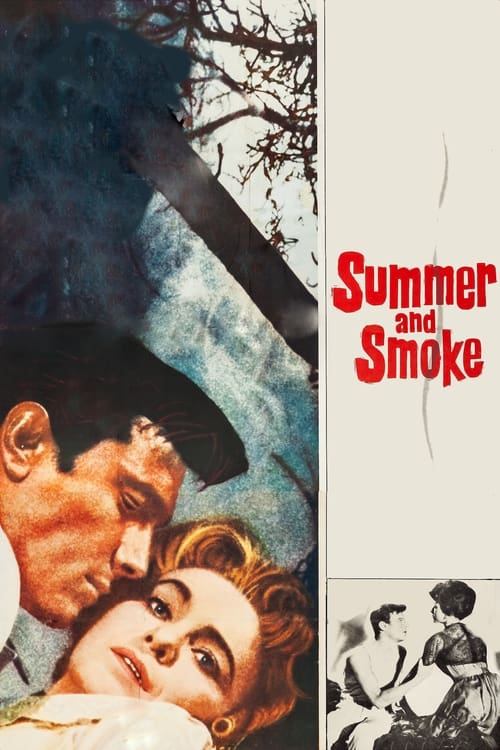
Summer and Smoke is a psychological character study that highlights the internal conflicts of its protagonist. By focusing on Alma Winemiller’s internal struggle, the film offers a nuanced look at female independence and the clash between societal norms and human instincts. However, the film remains a product of its era, lacking diverse representation. It centers on a narrow demographic, offering limited representation for racial minorities, the LGBTQ+ community, or individuals with disabilities. Ultimately, while the film provides a critical view of religious repression, it falls short in representing a broader range of social perspectives.
Category Breakdown
The film focuses solely on heterosexual relationships and does not depict same-sex intimacy or non-binary gender identities.
Alma Winemiller is given significant intellectual and spiritual independence. The story explores her autonomy against the restrictive social norms of her time.
The cast is predominantly white, reflecting the demographics of the 1916 setting. The film does not include characters of color or address racial issues.
The story criticizes religious institutions as sources of hypocrisy and repression. It examines the tension between spiritual ideals and physical desires.
The film does not prominently depict physical or neurodivergent disabilities. The character struggles focus on emotional and existential themes.
Present on Screen
Limited or Absent
Official Synopsis
In a small Mississippi town in 1916, an eccentric spinster battles her romantic yearnings for the randy boy next door.
1957
1966
1976

1953
1965

1969
1961

1951
No reviews yet. Be the first to share your thoughts on this movie!
Use the rating form above to leave a star rating and optional review.