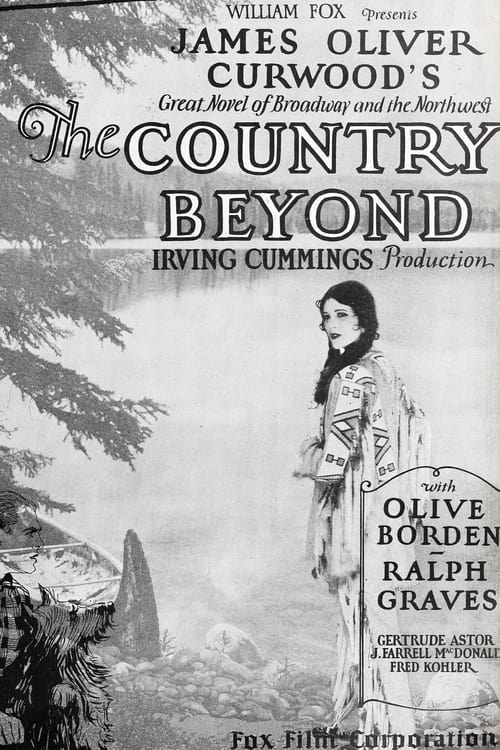
The Country Beyond
1926
No user ratings available yet
Representation score: 2.1 out of 10
Representation Score
Minimal
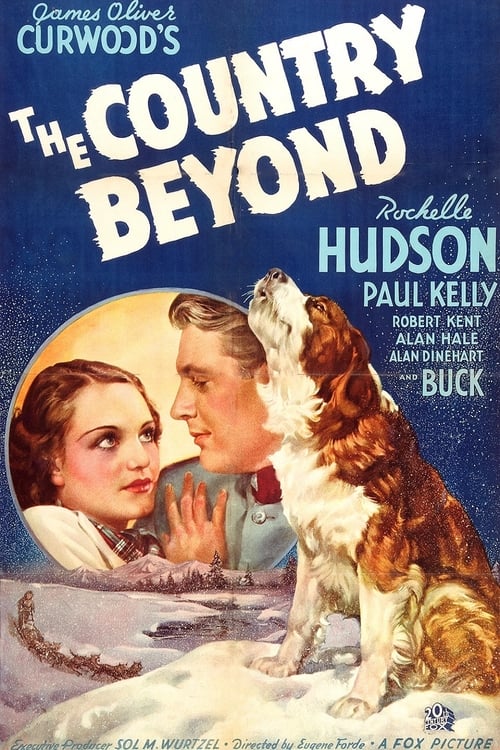
1936
ApprovedDirector
Eugene Forde
Runtime
73 minutes
Average Rating
No ratings yetNew Showbiz Analysis
The Country Beyond is a conventional 1930s drama that prioritizes established social hierarchies and traditional morality. The narrative structure centers on a male-driven law enforcement plot, limiting the ability to act of female characters and lacking multi-layered complexity. Set in the Canadian Northwest, the film follows the era's tendency toward homogeneous casting. It focuses on institutional order and the preservation of state authority, offering little disruption to the period's standard cinematic clichés. Ultimately, the film reflects the institutional values of its time, favoring a straight-centered framework and traditional gender roles over progressive representation.
Category Breakdown
The film does not include any queer narratives or non-cisgender identities. The central conflict revolves around a traditional romantic interest, aligning with the straight-centered standards of the 1930s.
The male protagonist holds most of the ability to act, while female characters primarily serve as emotional stakes or narrative catalysts rather than primary drivers of the plot.
The story focuses on a conflict between a policeman and a civilian. There is no indication of diverse casting or the inclusion of Indigenous characters who play a significant role in driving the story.
The narrative reinforces state authority and Western legal structures through its focus on law enforcement. It supports the stability of established social and legal norms rather than critiquing them.
The film provides no mention of characters navigating physical or neurodivergent disabilities.
Present on Screen
Limited or Absent
Official Synopsis
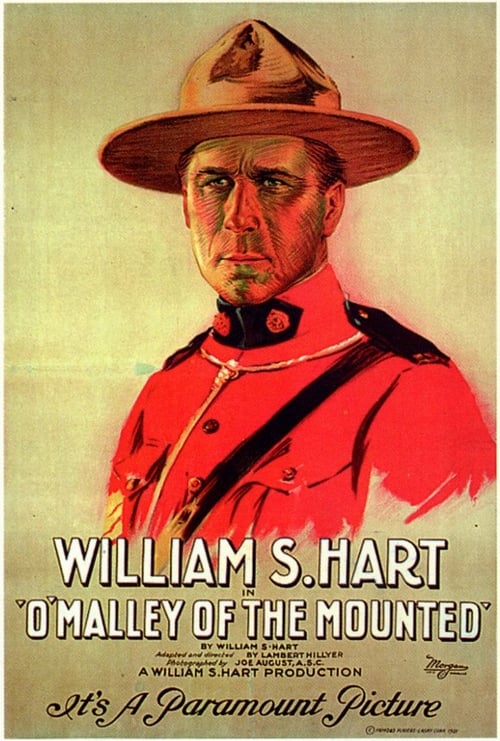
A Canadian Northwest Mounted Policeman suspects his girlfriend's father of theft and murder.
1926
1931
1930
1947

1953
1924
1921
1930
No reviews yet. Be the first to share your thoughts on this movie!
Use the rating form above to leave a star rating and optional review.