The House on 56th Street
1933
No user ratings available yet
Representation score: 1.4 out of 10
Representation Score
Limited
1932
PassedDirector
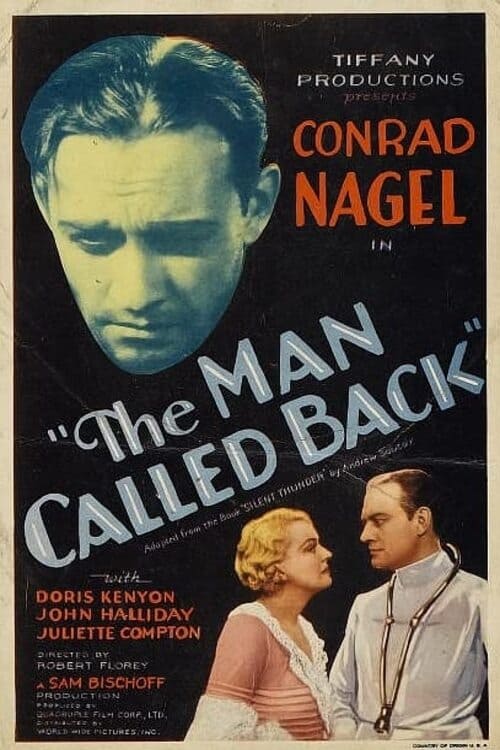
Robert Florey
Runtime
75 minutes
Average Rating
No ratings yetNew Showbiz Analysis
The Man Called Back adheres to the cinematic conventions of the early 1930s, lacking multi-layered complexity and reinforcing traditional social hierarchies and clichés. The narrative relies heavily on gendered victimhood and psychological instability to move the plot forward. Instead of challenging social norms, the film utilizes them to create tension and tragedy. Ultimately, the film functions as a Western-centric drama, using an exoticized tropical setting without providing meaningful representation of the local culture or diverse ethnic identities.
Category Breakdown
The film follows a typical heterosexual love triangle and does not include any representation of LGBTQ+ identities or non-assuming gender matches what was assigned at birth perspectives.
Doris Kenyon is a central figure but has limited ability to act. She is primarily portrayed as a victim of male-driven machinations and legal circumstances.
Set in a tropical location, the film appears Western-centric and does not include diverse ethnic representation.
The story focuses on class-based melodrama involving doctors and socialites, relying on standard dramatic clichés without exploring diverse cultural or secular frameworks.
Mental health issues are used as a plot device to drive a criminal conspiracy. The film relies on the 'madman' cliché rather than providing nuanced neurodivergent representation.
Present on Screen
Limited or Absent
Official Synopsis
Fresh from his success with the moody melodrama Murders in the Rue Morgue, director Robert Florey dashed off The Man Called Back at bargain-basement Tiffany Studios. The film is set in the tropics; Conrad Nagel tops the cast as a dissipated, derelict doctor, hopelessly in love with married socialite Doris Kenyon. Doris' insane husband John Halliday commits suicide, but arranges the evidence so that his wife will be charged with murder.
1933
1950
1932

1939
1931
1937
1928
1927
No reviews yet. Be the first to share your thoughts on this movie!
Use the rating form above to leave a star rating and optional review.