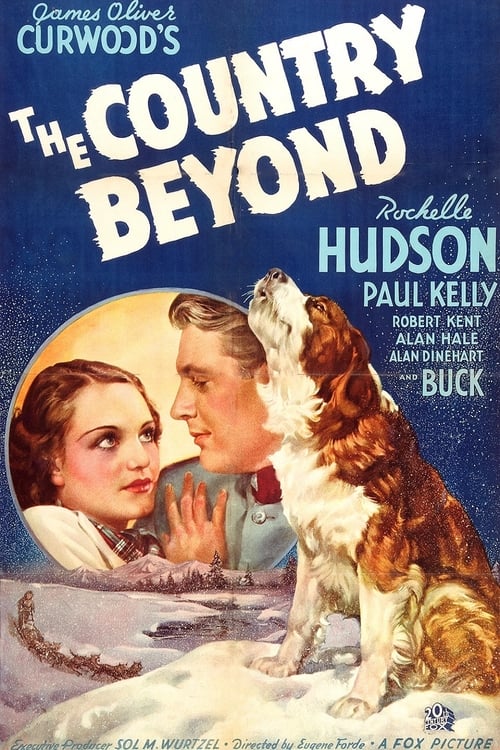
The Country Beyond
1936
No user ratings available yet
Representation score: 1.4 out of 10
Representation Score
Minimal
1930
PassedDirector
A.F. Erickson
Runtime
66 minutes
Average Rating
No ratings yetNew Showbiz Analysis
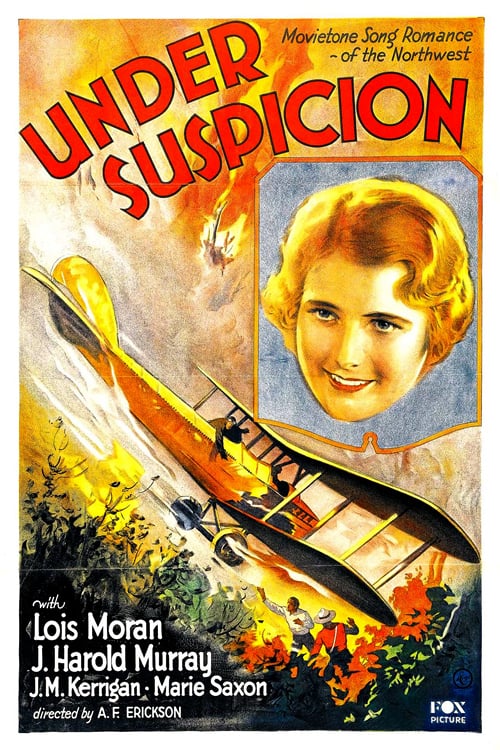
Under Suspicion is a period drama that adheres strictly to the conventional social and institutional hierarchies of the 1930s. The narrative focuses on themes of suspicion, identity, and military service, reinforcing traditional structures of authority. The film lacks the symbols of progressive representation and functions as a typical dramatic framework of its time, emphasizing masculine-coded environments and institutional integrity.
Category Breakdown
The film does not include any characters with non-traditional gender identities. The story revolves around military camaraderie and suspicion within a traditionally masculine environment.
The story centers on a male-dominated hierarchy involving police officers and military leaders. Women do not play significant roles in driving the story or challenging traditional hierarchies.
Set within the Canadian Royal Mounted Police and the Allied Army, the film reflects the homogeneous demographic norms of the 1930s. No diverse ethnic representation is present.
The plot emphasizes traditional Western institutions like law enforcement and the military. It prioritizes themes of duty and institutional stability over cultural critique.
There is no information regarding physical or neurodivergent characters in this production.
Present on Screen
Limited or Absent
Official Synopsis
A group of Canadian Royal Mounted Police officers arrive home after serving overseas with the Allied Army. After enjoying a birthday banquet for the aged Major Manners amid much singing and revelry, Inspector Turner reveals suspicions about a new recruit, John Smith, whom he knows to be using a pseudonym and whose war record contains something potentially damaging.
1936
1944
1939

1940
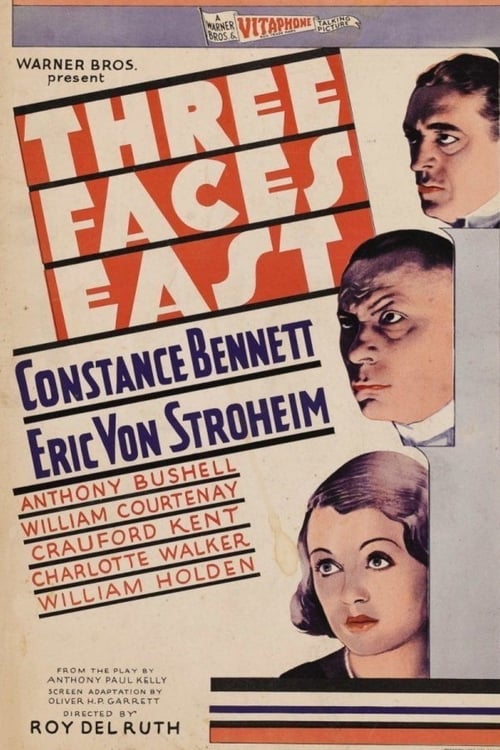
1930
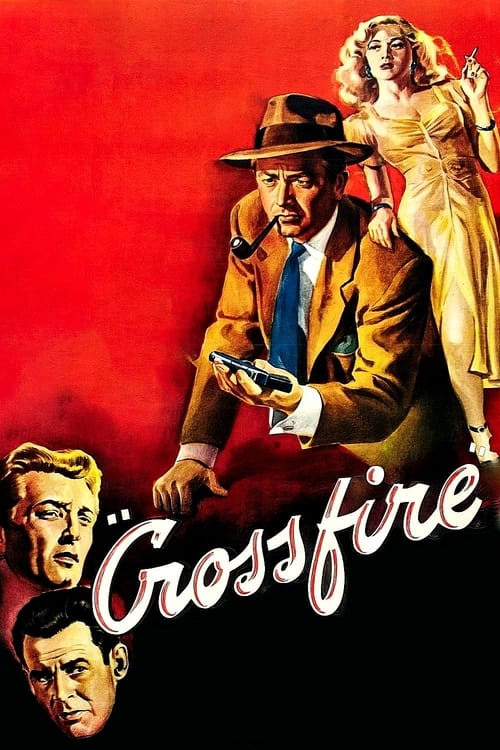
1947
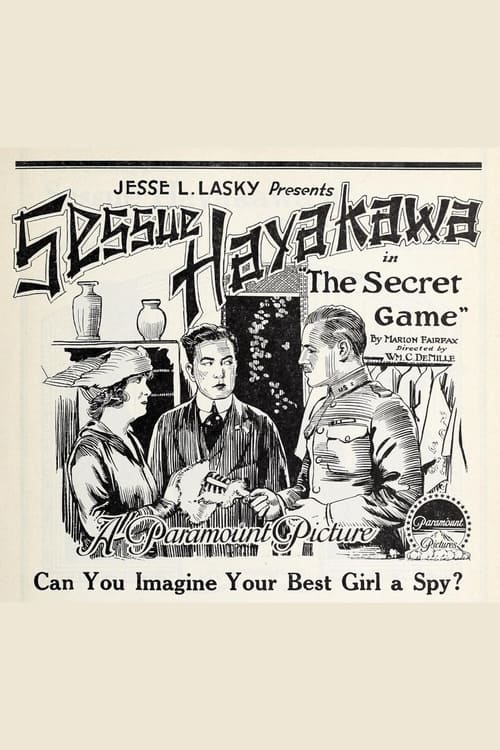
1917
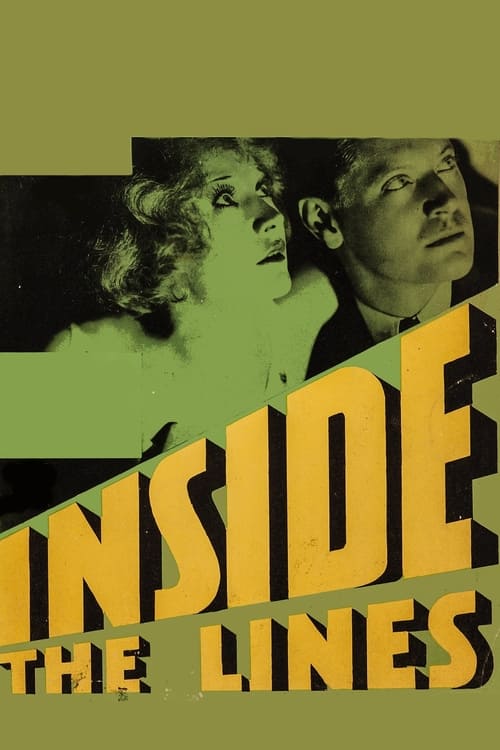
1930
No reviews yet. Be the first to share your thoughts on this movie!
Use the rating form above to leave a star rating and optional review.