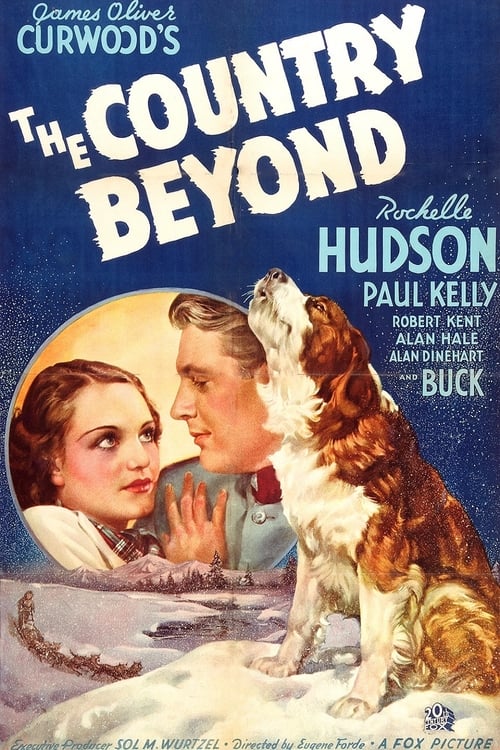
The Country Beyond
1936
No user ratings available yet
Diversity score: 2.3 out of 10

1930
PassedDirector
John Daumery
Runtime
53 minutes
Average Rating
No ratings yetSynopsis
A police dog helps to track down two payroll robbers.
Overall Score
Limited
Category Breakdown
LGBTQ+ Representation
The film focuses on a procedural crime plot involving a police dog and payroll robbers. It lacks any evidence of non-cisnormative identities or narratives that challenge heteronormativity.
Gender Representation
The premise centers on law enforcement and action tropes. This suggests a focus on traditional masculine leadership, likely offering limited agency to female characters.
Racial & Ethnic Diversity
The film lacks any indication of characters of color with significant narrative agency. Given the era, the cast appears likely to be homogeneous.
Religious & Cultural Diversity
The story prioritizes the restoration of order through the capture of criminals. It aligns with traditional institutional stability rather than critiquing systemic power.
Disability Representation
There is no evidence of characters with physical or neurodivergent disabilities within the narrative.
Strengths
Areas for Improvement
AI Analysis
Rough Waters is a conventional 1930s crime drama that prioritizes procedural action over social complexity. The plot revolves around a police dog tracking payroll robbers, a framework that leans heavily into established genre tropes of the era. The film lacks intersectional depth, offering no visible representation of LGBTQ+ identities, diverse racial backgrounds, or characters with disabilities. It functions as a standard law-and-order piece designed to reinforce institutional stability. Ultimately, the production reflects the limited social perspectives of its time, focusing on traditional masculine archetypes and a homogeneous cast without attempting to disrupt cultural hierarchies.
1936

1905
1905
1925
1927

1929
1925
1924

1938

1954
1933

1927
No reviews yet. Be the first to share your thoughts on this movie!
Use the rating form above to leave a star rating and optional review.