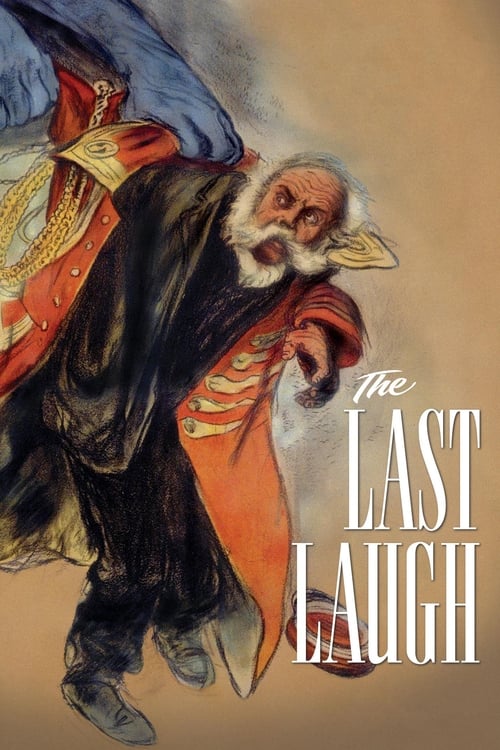
The Last Laugh
1924
No user ratings available yet
Diversity score: 4.3 out of 10
1921
Director
F. W. Murnau
Runtime
81 minutes
Average Rating
No ratings yetSynopsis
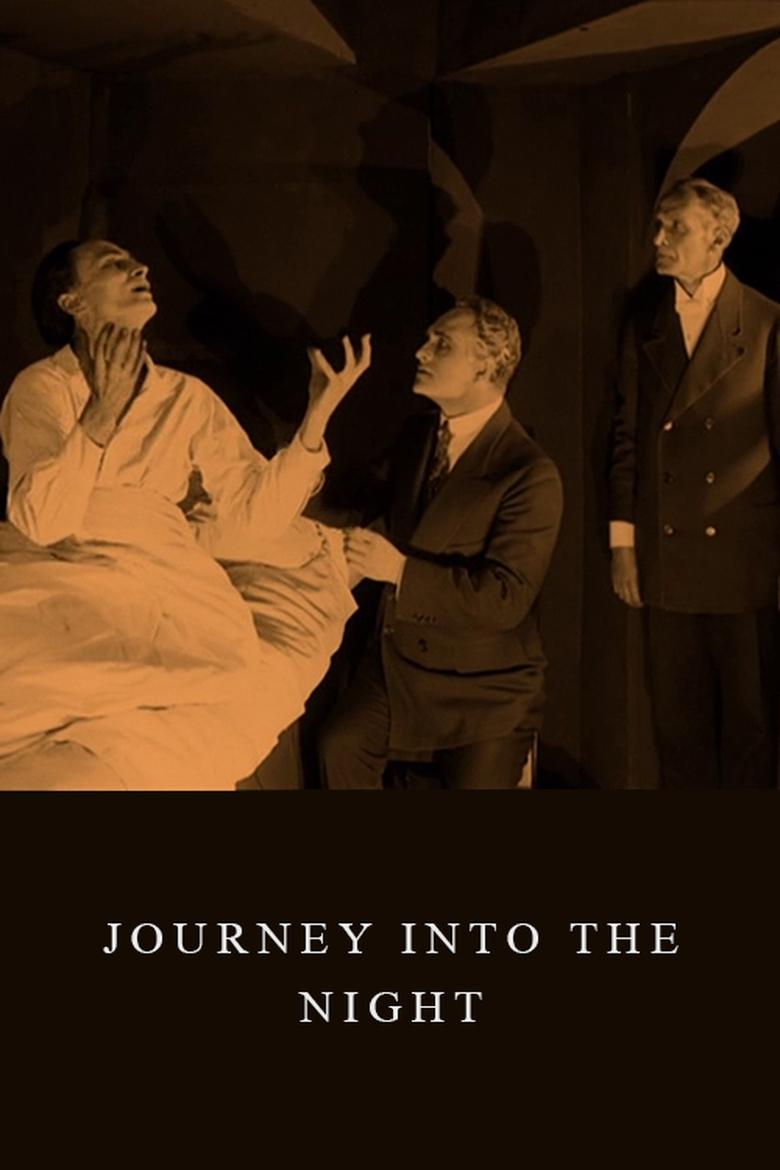
Dr. Egil Börne, an eminent physician, comes under the spell of an unscrupulous cabaret dancer and deserts his fiancée. The plot finds echoes throughout the Weimar period, including Sternberg’s The Blue Angel. Conrad Veidt appears in a supporting role as a sinister blind painter, whose entrance eerily presages Murnau’s Nosferatu. Der Gang in die Nacht, the earliest surviving film by F. W. Murnau, is also, paradoxically, the only Murnau film for which the original camera negative exists.
Overall Score
Limited
Category Breakdown
LGBTQ+ Representation
The film lacks explicit depictions of queer identities or non-heteronormative narratives. The story focuses on conventional romantic structures, specifically the protagonist's desertion of his fiancée.
Gender Representation
While the narrative centers on male psychological agency, the cabaret dancer introduces social non-conformity. Female characters act as catalysts for the protagonist's descent, disrupting idealized domestic images.
Racial & Ethnic Diversity
The film reflects the homogeneous social structures of early 20th-century Germany. The cast and setting align with standard demographic depictions of the German middle and upper classes.
Religious & Cultural Diversity
The film offers a sophisticated critique of Western modernity and urban capitalism. It explores the tension between the corrupt, dehumanizing city and the stability of the rural sphere.
Disability Representation
Blindness is used as a semiotic tool through a sinister painter to evoke dread. This utilizes physical impairment as a narrative device for foreshadowing rather than providing nuanced agency.
Strengths
Areas for Improvement
AI Analysis
Journey into the Night is a product of its era, defined by traditional casting and rigid gender roles. It lacks modern diversity in terms of racial and LGBTQ+ representation, adhering to the homogeneous social structures of 1921 Germany. However, the film transcends simple period tropes through its psychological depth. It uses character archetypes to critique the dehumanizing effects of urban modernity and industrial progress, offering a complex social commentary. While disability is used more for atmospheric dread than character depth, the film remains a significant work of social critique regarding the individual's struggle within modern institutions.
1924
1925
1927
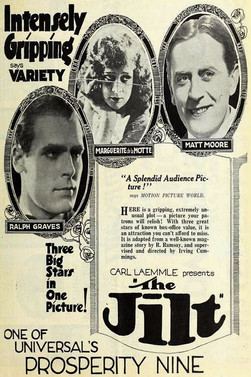
1922
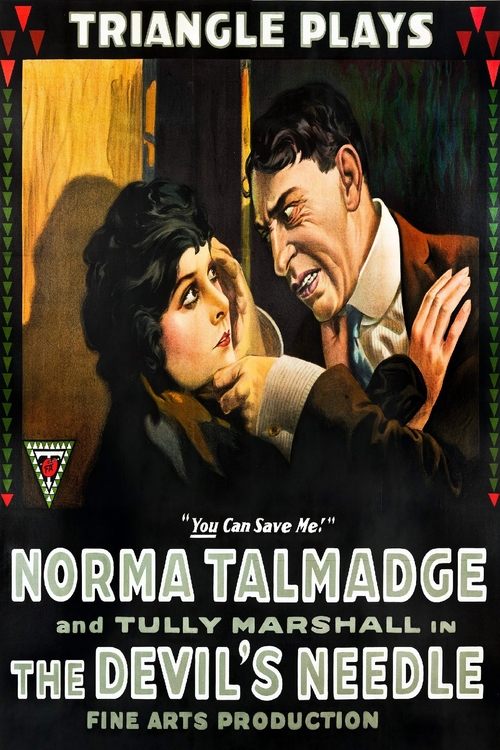
1916
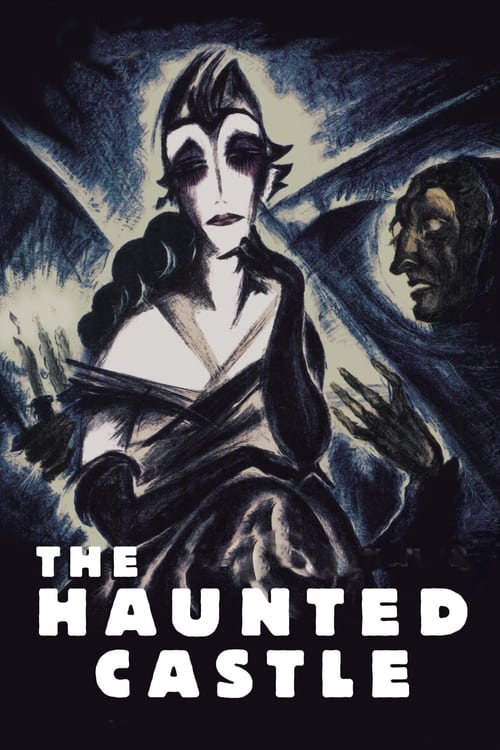
1921
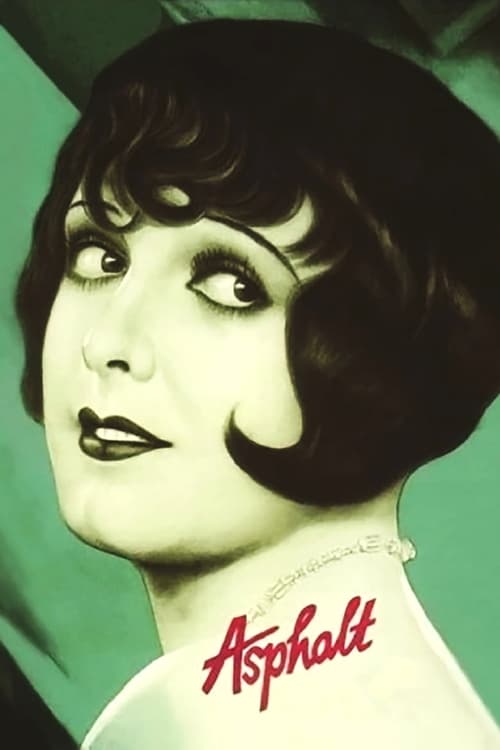
1929
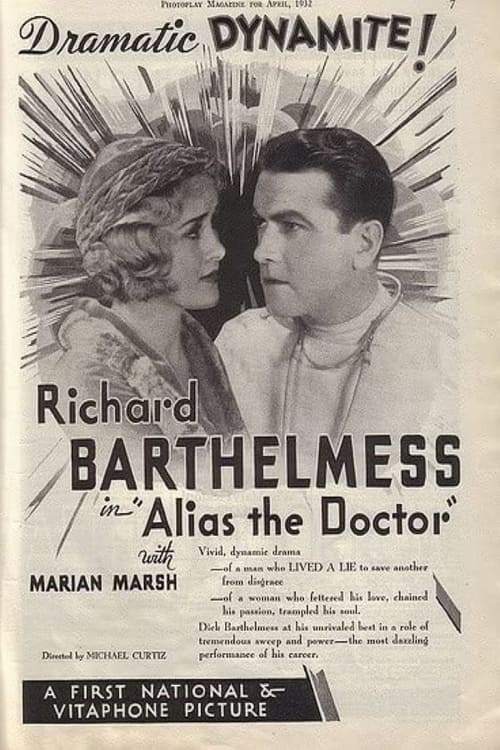
1932
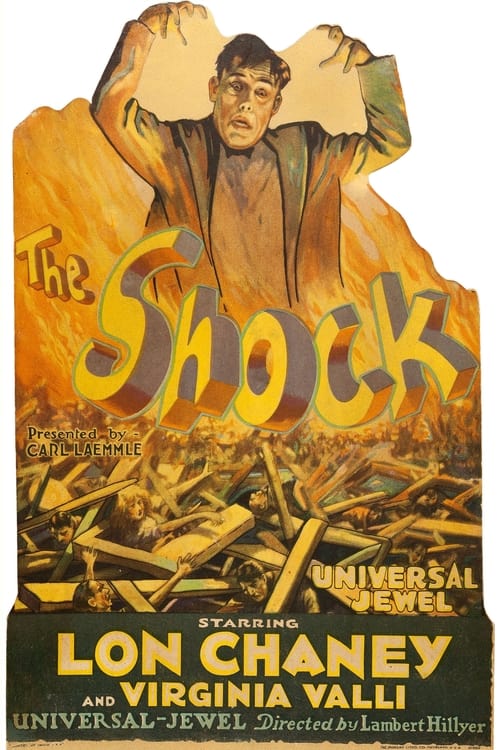
1923
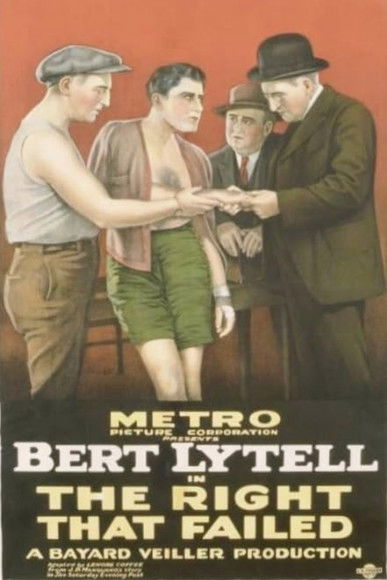
1922
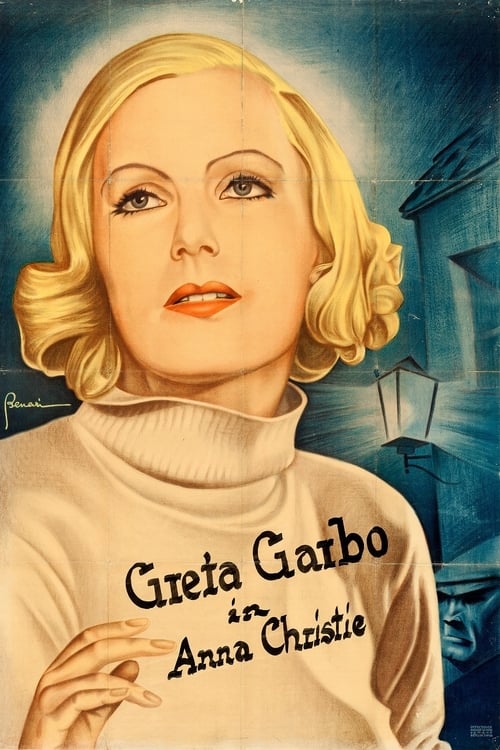
1930
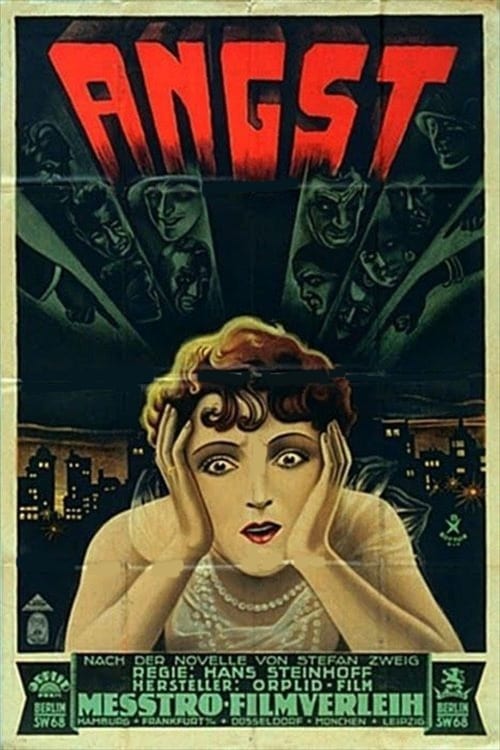
1928
No reviews yet. Be the first to share your thoughts on this movie!
Use the rating form above to leave a star rating and optional review.