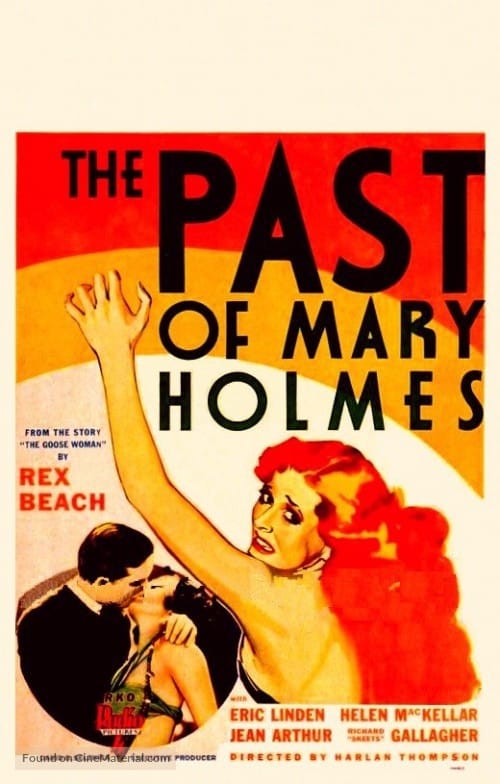
The Past of Mary Holmes
1933
No user ratings available yet
Diversity score: 2.9 out of 10
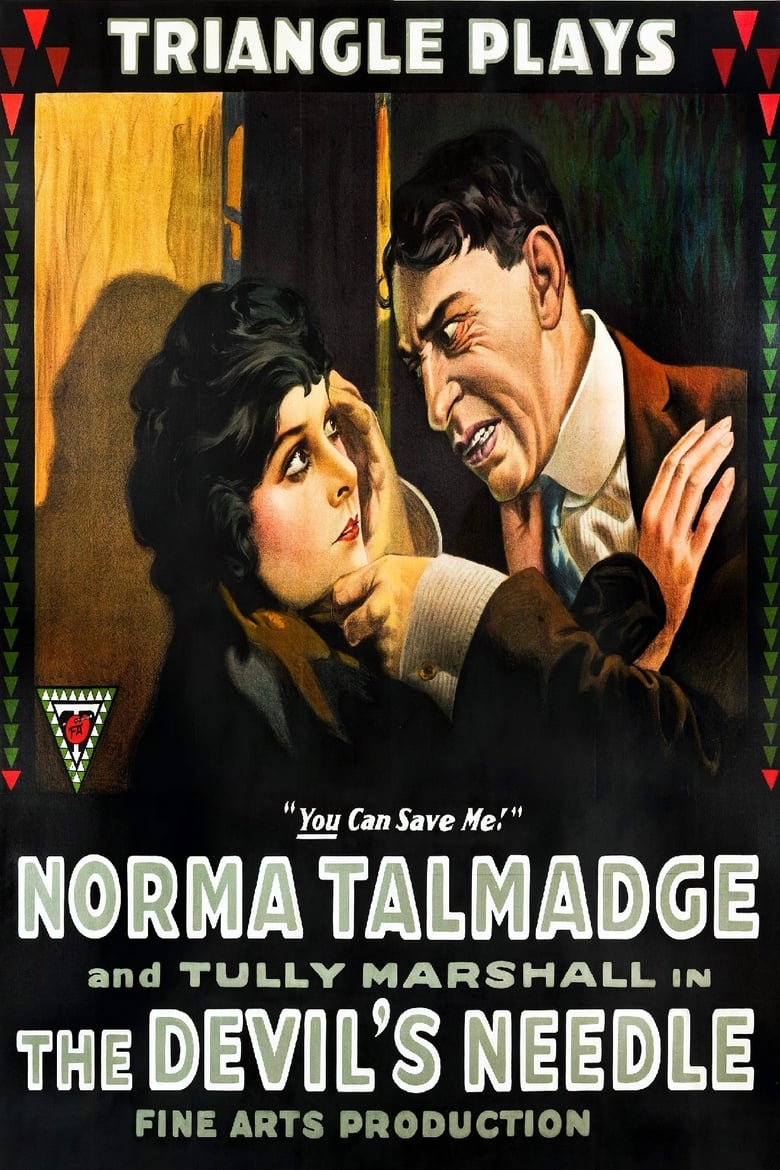
1916
NRDirector
Chester Withey
Runtime
66 minutes
Average Rating
No ratings yetSynopsis
Renee is a French artist's model who uses morphine as an escape from the dull reality of her life. She recommends it to a neurotic artist because "it kindles the fires of genius." The artist quickly becomes addicted to the drug and the quality of his work begins to disintegrate. He takes on a new model, marries her, and starts her on the same path of moral degradation, until a guilt-ridden Renee decides to intervene in order to save them both. According to silent film historian Kevin Brownlow, THE DEVIL'S NEEDLE was banned by the state of Ohio, but the censor board reversed its decision after recognizing the positive message beneath the film's scandalous surface. This special edition was mastered from a 35mm preservation print of the 1923 re-release version. The only known surviving copy, the element suffers significant nitrate decomposition during some scenes.
Overall Score
Limited
Category Breakdown
LGBTQ+ Representation
The film lacks any evidence of queer narratives or non-cisnormative identities. Relationships follow traditional heteronormative structures centered on marriage and romantic modeling.
Gender Representation
Renee serves as a central figure who influences the male characters' lives. However, her agency is tied to cautionary tropes regarding female morality and redemption.
Racial & Ethnic Diversity
The French artistic setting does not indicate a diverse cast. The narrative appears to reflect the homogeneous social structures common in early silent dramas.
Religious & Cultural Diversity
The story functions as a cautionary tale about morphine addiction. It reinforces traditional moral hierarchies rather than offering a critique of social institutions.
Disability Representation
Themes of neurosis and addiction are present. These elements serve as plot devices for moral lessons rather than nuanced depictions of mental health.
Strengths
Areas for Improvement
AI Analysis
The Devil's Needle operates within the rigid melodramatic conventions of the early 20th century. While it places a woman at the center of the plot, her role is defined by moralistic tropes rather than true empowerment. The film's focus on addiction and redemption serves to uphold social order. It lacks the intersectional depth or diverse casting required to challenge the era's systemic hierarchies. Ultimately, the narrative is a product of its time, prioritizing cautionary moralism over the representation of marginalized identities or complex psychological agency.
1933
1925
1925
1921

1995
1932
1933
1927
1931

1902

1909
1958
No reviews yet. Be the first to share your thoughts on this movie!
Use the rating form above to leave a star rating and optional review.