
Train of Shadows
1997
No user ratings available yet
Diversity score: 4.3 out of 10
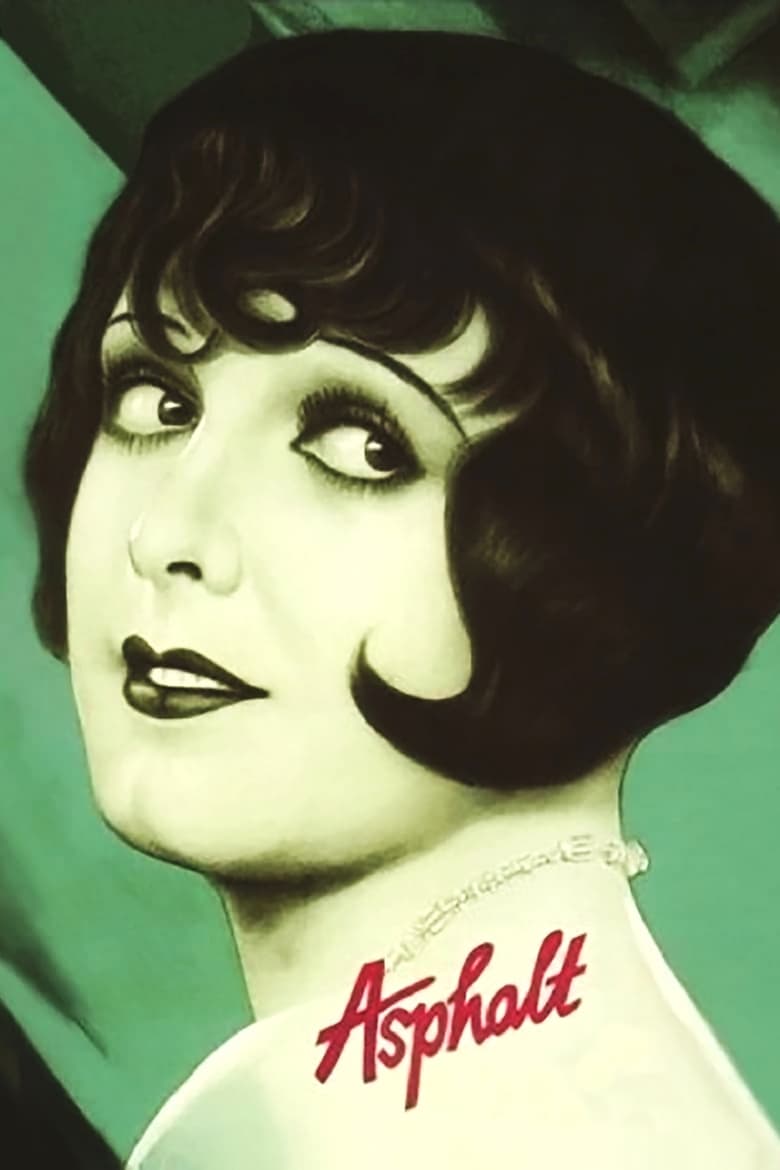
1929
Director
Joe May
Runtime
93 minutes
Average Rating
No ratings yetSynopsis
One of the last great German Expressionist films of the silent era, Joe May’s Asphalt is a love story set in the traffic-strewn Berlin of the late 1920s. Starring the delectable Betty Amann in her most famous leading role, Asphalt is a luxuriously produced UFA classic where tragic liaisons and fatal encounters are shaped alongside the constant roar of traffic.
Overall Score
Fair
Category Breakdown
LGBTQ+ Representation
The film lacks documented evidence of queer narratives or non-cisnormative identities. It focuses instead on tragic romantic liaisons within a conventional framework.
Gender Representation
Betty Amann’s central protagonist provides meaningful representation by navigating complex moral dilemmas. Her agency within a tragic arc offers a nuanced departure from purely submissive archetypes.
Racial & Ethnic Diversity
Casting reflects the demographic realities of 1920s Berlin. There is no evidence of significant racial blending or intentional subversion of casting norms.
Religious & Cultural Diversity
The film excels in depicting moral relativism and deconstructing traditional social orders. It critiques established institutions by framing the city as a site of social anarchy.
Disability Representation
There is no specific evidence regarding the portrayal of physical or neurodivergent disabilities. Characters function primarily as socioeconomic archetypes within the street film genre.
Strengths
Areas for Improvement
AI Analysis
Joe May’s Asphalt is a transitional work that prioritizes the psychological and social friction of urban modernity over explicit identity politics. While it lacks modern diversity markers, it succeeds in subverting traditional moral certainties through its depiction of a chaotic, interconnected metropolitan landscape. The film's strength lies in its sophisticated critique of social stability and its focus on female agency amidst urban temptation. However, it remains limited by the demographic and narrative constraints of its era, offering little representation for LGBTQ+ identities, racial diversity, or disability.
1997
1921

1930
1927

1930
1935

1927
1925
1924
1927
1928

1917
No reviews yet. Be the first to share your thoughts on this movie!
Use the rating form above to leave a star rating and optional review.