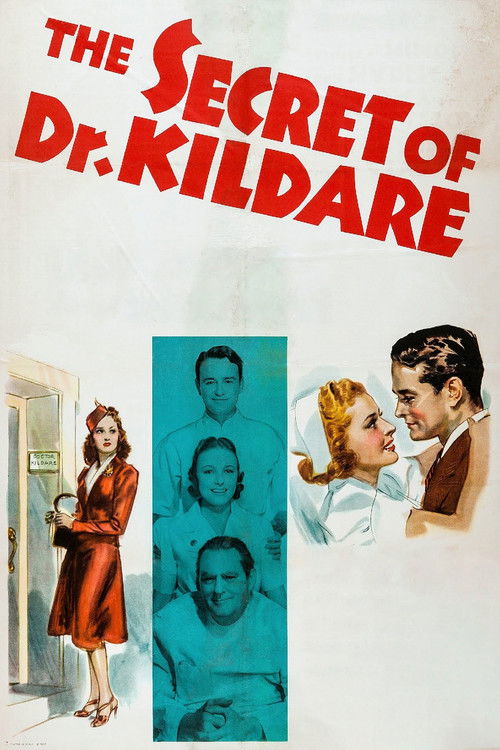
The Secret of Dr. Kildare
1939
No user ratings available yet
Representation score: 2.2 out of 10
Representation Score
Limited
1932
PassedDirector
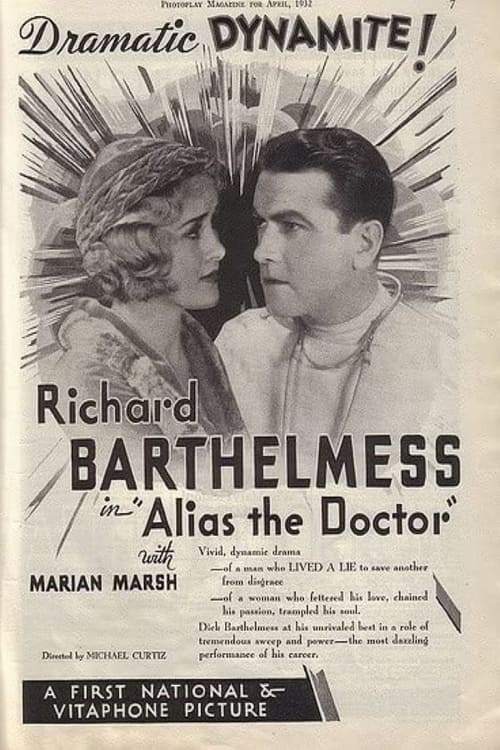
Michael Curtiz
Runtime
61 minutes
Average Rating
No ratings yetNew Showbiz Analysis
Alias the Doctor is a product of its 1932 era, prioritizing high-stakes melodrama and traditional moral arcs over social diversity. The narrative structure relies heavily on established hierarchies, focusing on a white, European cast and conventional family dynamics. The film uses medical crisis and familial duty to drive the plot, but these elements serve the protagonist's redemption rather than providing nuanced representation for underrepresented groups. Ultimately, the film lacks subversion, opting instead for a classic story of sacrifice and professional competence within a standard Western framework.
Category Breakdown
The film focuses on traditional heterosexual relationships. The central conflict revolves around the protagonist's marriage, which is based on identity confusion rather than any exploration of LGBTQ+ themes.
Female characters primarily act as catalysts for the male protagonist's journey. The mother influences the plot through revelations but remains within a conventional, non-subversive maternal framework.
The narrative seems to center on a homogeneous European cast. There is no indication of racial blending or the inclusion of non-white characters driving the story.
The story adheres to traditional Western moral structures and institutions. It emphasizes individual responsibility and redemption through service to the medical profession and family.
Illness serves as a primary plot driver to facilitate the hero's arc. The sick child acts as a catalyst for the protagonist's growth rather than exploring disability ability to act.
Present on Screen
Limited or Absent
Official Synopsis
Karl is the workaholic adopted son while Stephan is the lazy one. They both go to Munich to study medicine and Karl is at the top of the class while Stephan is barely passing. When Stephan's actions causes the death of Anna, Karl is the one who takes the wrap and three years in prison. When he gets out, he finds Stephan is dead and a sick child needs an operation and he does brilliant surgery. This gets him noticed and his mother tells them that he is Stephan Brenner, not Karl Brenner. She tells Karl that he must cure sickness in the world. But, being that he is Stephan, he can no longer marry Lottie, as she is now his sister.
1939
1964

1937
1946

1931
1932
1946
1917
No reviews yet. Be the first to share your thoughts on this movie!
Use the rating form above to leave a star rating and optional review.