
Anna Christie
1930
No user ratings available yet
Representation score: 2.1 out of 10

Representation Score
Limited
1930
TV-PGDirector
Jacques Feyder
Runtime
85 minutes
Average Rating
No ratings yetNew Showbiz Analysis
Jacques Feyder’s adaptation of the O’Neill play provides psychological depth to its female lead, moving beyond the submissive archetypes common in early 1930s cinema. By focusing on her struggle against social stigma, the film offers a nuanced look at a woman navigating a patriarchal world. However, the production is heavily constrained by its historical era. The cast is racially homogeneous, and the narrative lacks any queer subtext or non-cisgender identities. While it touches on addiction, it treats these struggles as moral consequences rather than exploring disability through an ability to act-driven lens. Ultimately, the film is a character study of individual redemption, challenging social norms regarding 'sin' but lacking the multi-layered breadth and systemic critique found in more modern, diverse storytelling.
Category Breakdown
The story focuses solely on heterosexual relationships and family tensions, with no queer subtext or non-cisgender identities.
The film centers on a woman's active role and internal struggle within a patriarchal maritime society. She is defined by her complex history and her efforts to regain autonomy.
The cast is predominantly white and lacks intentional racial diversity or non-white characters, reflecting the 1930s European context.
The story explores moral relativism by centering a protagonist with a dark past. It challenges rigid morality but remains tied to traditional emotional arcs of salvation.
Themes of addiction are explored as a character study of moral consequence. However, there is no empowered portrayal of neurodivergence or physical disability.
Present on Screen
Limited or Absent
Official Synopsis
A young woman reunites with the father she's not seen since early childhood, also falls in love with a sailor who wishes to marry her, and eventually is forced to reveal to each man about her dark past. (NOTE: This is the German language version.)
1930

1929
1931

1930
1935
1920
1937
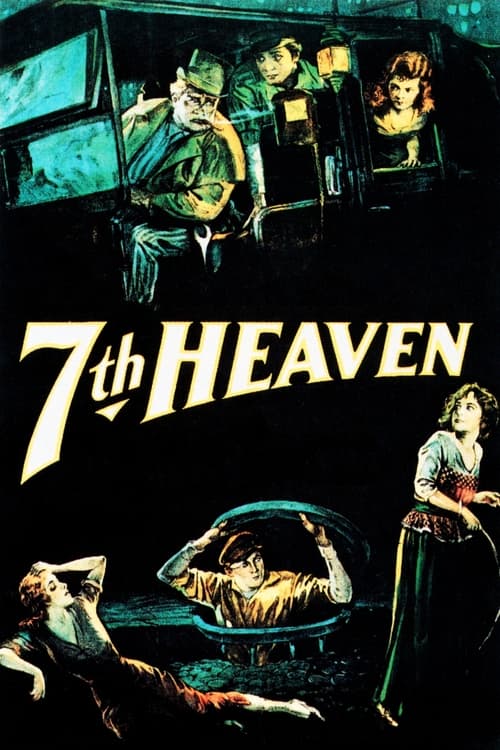
1927
No reviews yet. Be the first to share your thoughts on this movie!
Use the rating form above to leave a star rating and optional review.