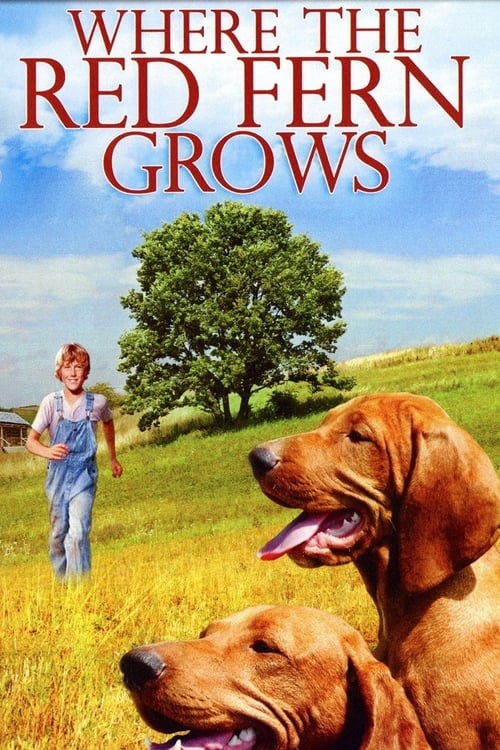
Where the Red Fern Grows
1974
No user ratings available yet
Diversity score: 1.9 out of 10
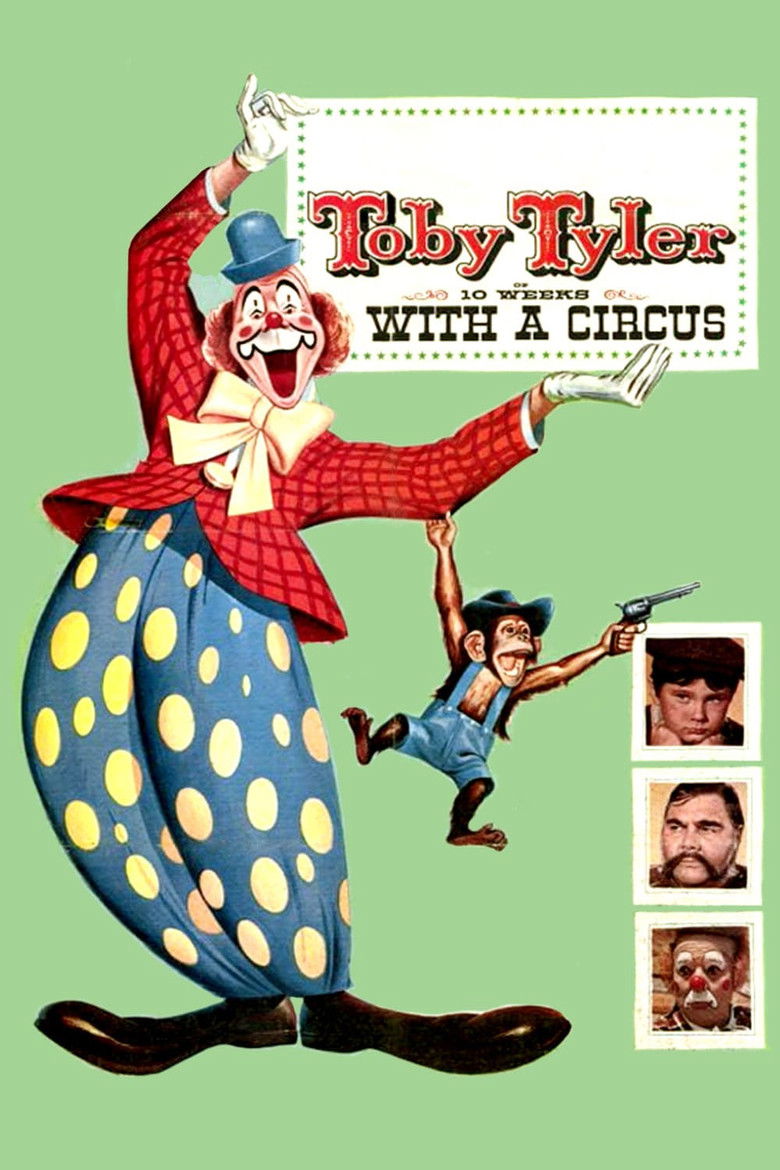
1960
GDirector
Charles Barton
Runtime
95 minutes
Average Rating
No ratings yetSynopsis
Angered at stern Uncle Daniel, Toby Tyler runs away from his foster home to join the circus, where he soon befriends Mr. Stubbs, the frisky chimpanzee. However, the circus isn't all fun and games when the evil candy vendor, Harry Tupper, convinces Toby that his Aunt Olive and Uncle Daniel don't love him or want him back. Toby resigns himself to circus life, but when he finally realizes that Tupper lied to him, and that his aunt and uncle truly love him, Toby happily returns home once again.
Overall Score
Minimal
Category Breakdown
LGBTQ+ Representation
The film operates within a strictly heteronormative framework. There is no presence of non-cisnormative gender identities or same-sex intimacy.
Gender Representation
Female characters like Nell are limited to nurturing or maternal roles. The narrative focuses on the male protagonist's journey, reinforcing traditional mid-century gender hierarchies.
Racial & Ethnic Diversity
The production features a primarily homogeneous white cast. There is an absence of characters of color with agency or any evidence of color-blind casting.
Religious & Cultural Diversity
The story emphasizes the importance of the nuclear family and traditional domestic stability. It validates the necessity of returning to established social and familial structures.
Disability Representation
There are no prominent depictions of physical, neurodivergent, or sensory disabilities. While the protagonist is an orphan, disability is not a central plot driver.
Strengths
Areas for Improvement
AI Analysis
Toby Tyler or Ten Weeks with a Circus is a quintessential example of mid-century traditionalist cinema. The narrative is designed to uphold conventional social hierarchies and demographic norms rather than disrupt them. The film functions as a moralistic tale that prioritizes the integration of the individual into existing social and familial systems. It relies on a singular moral framework centered on Western social institutions. Ultimately, the film reflects the social constraints of 1960, offering a stable story that reinforces traditional domesticity and Anglo-centric social norms.
1974
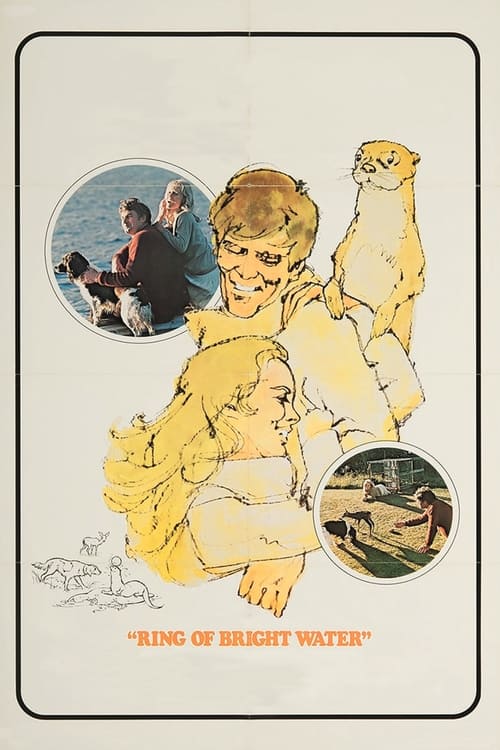
1969

1961
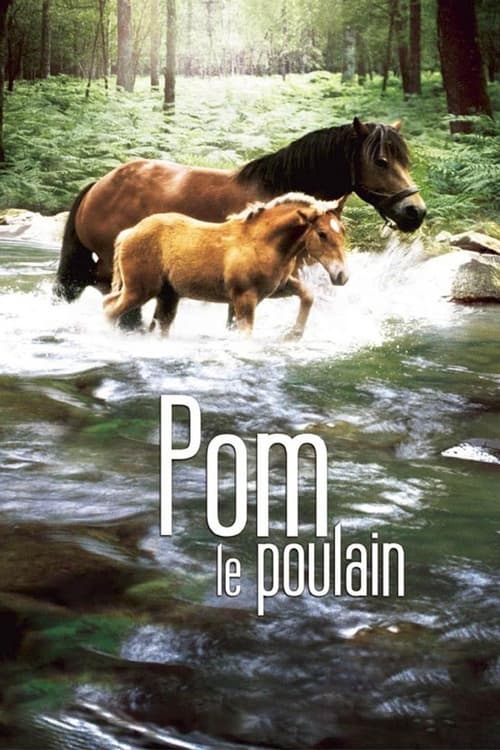
2006

1995
1946
1972
1961

2004

1996
1969
1953
No reviews yet. Be the first to share your thoughts on this movie!
Use the rating form above to leave a star rating and optional review.