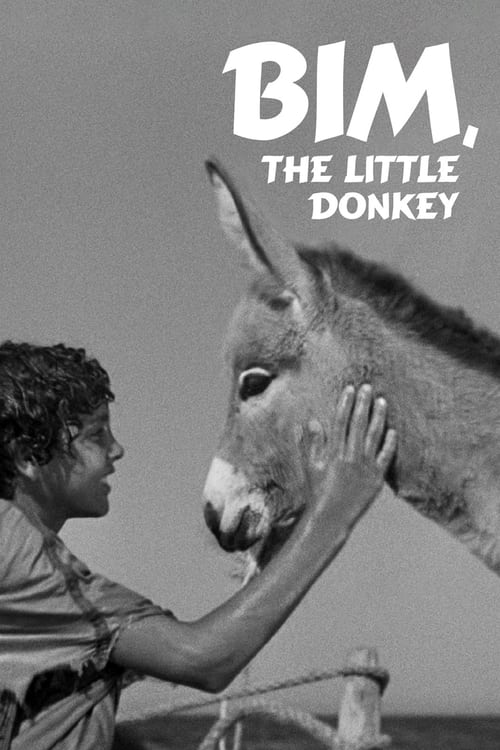
Bim, the Little Donkey
1951
No user ratings available yet
Representation score: 1.4 out of 10
Representation Score
Minimal
1953
ApprovedDirector
Albert Lamorisse
Runtime
41 minutes
Average Rating
No ratings yetNew Showbiz Analysis
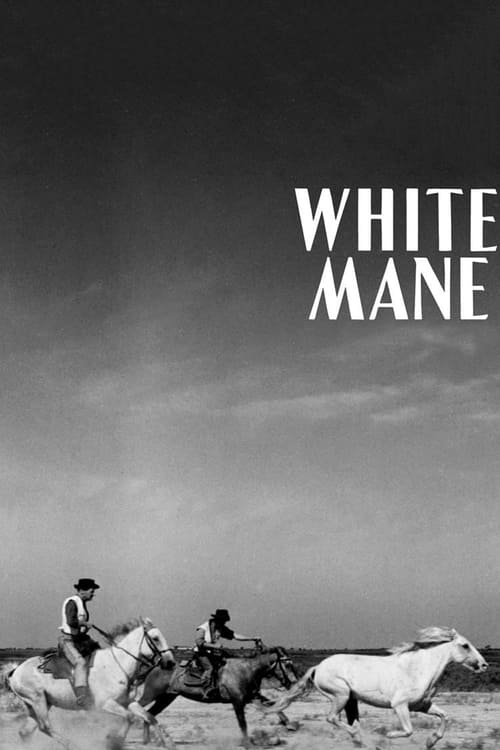
White Mane is a mid-century pastoral drama that emphasizes the relationship between humans and nature over social complexities. The narrative highlights the tension between domestication and wildness, emphasizing the purity of childhood. The film presents a traditional adventure that upholds a singular, culturally specific perspective of rural European life. It lacks the elements needed to challenge social hierarchies or represent diverse identities. Overall, the film adheres to the demographic and social norms of its time, offering a romanticized view of the Camargue without addressing broader social issues.
Category Breakdown
The film does not include any LGBTQ+ characters or non-cisgender identities. It focuses solely on the relationship between a young boy and a wild horse.
Gender roles follow typical mid-century patterns. The story centers on a male protagonist named Folco and his actions, with minimal presence of women or non-binary individuals.
The cast is made up of a homogeneous European group representing the rural French setting. There is no indication of racial diversity or inclusion of non-Anglo-Saxon identities.
The film portrays a romanticized, pastoral lifestyle without critiquing Western institutions. It lacks secular or anti-institutional themes, focusing instead on naturalistic activities.
There are no visible or hidden disabilities shown among the characters. Characters are defined by the physical demands of a rugged, rural environment.
Present on Screen
Limited or Absent
Official Synopsis
In the south of France, in a vast plain region called the Camargue, lives White Mane, a magnificent stallion and the leader of a herd of wild horses too proud to let themselves be broken by humans. Only Folco, a young fisherman, manages to tame him. A strong friendship grows between the boy and the horse, as the two go looking for the freedom that the world of men won’t allow them.
1951
1945
2006
1946
2019
2020
2018
1994
No reviews yet. Be the first to share your thoughts on this movie!
Use the rating form above to leave a star rating and optional review.