Horror Island
1941
No user ratings available yet
Representation score: 2.7 out of 10
Representation Score
Minimal
1937
NRDirector
William C. McGann
Runtime
54 minutes
Average Rating
No ratings yetNew Showbiz Analysis
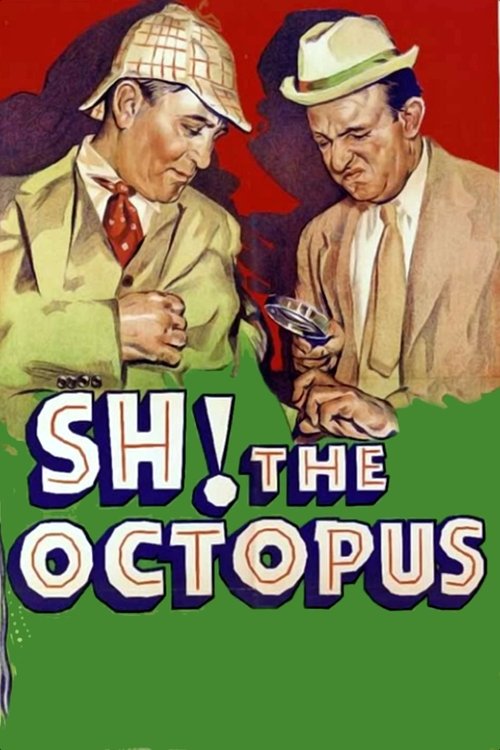
Sh! The Octopus is a traditional 1937 genre piece that relies on a closed-room mystery framework. The plot centers on a conflict between detectives and external threats, including a killer octopus and a human antagonist. The film functions as a conventional exercise of its era, prioritizing suspense and mystery through established clichés. It does not attempt to disrupt social hierarchies or provide representation that reflects multiple aspects of identity. Ultimately, the production reflects the standard demographic and thematic patterns of the late 1930s, focusing on genre efficiency rather than narrative subversion.
Category Breakdown
The film does not include any characters with non-binary or LGBTQ+ identities, nor does it show any same-sex relationships. It seems to follow the strict social and cinematic norms of 1937.
The story focuses on Detectives Kelly and Dempsey. There is no evidence of female characters playing a significant role in driving the plot, suggesting a traditional emphasis on male leadership and authority.
The group of strangers in the lighthouse includes no evidence of diverse ethnic representation. The casting likely adheres to the demographic homogeneity typical of 1937 American cinema.
The story uses a conventional mystery framework centered around law and order. There is no evidence of themes that critique established social or Western institutions.
The film does not mention any characters with visible or invisible disabilities. No characters with disabilities are given a significant role or used as plot devices.
Present on Screen
Limited or Absent
Official Synopsis
Comedy-mystery finds Detectives Kelly and Dempsey trapped in a deserted lighthouse with a group of strangers who are being terrorized by a killer octopus AND a mysterious crime figure named after the title sea creature.
1941
1932
1942

1933
1944
1934
1949
1943
No reviews yet. Be the first to share your thoughts on this movie!
Use the rating form above to leave a star rating and optional review.