Charlie Chan in The Chinese Cat
1944
No user ratings available yet
Representation score: 1.3 out of 10
Representation Score
Minimal
1950
Not RatedDirector
Paul L. Stein
Runtime
95 minutes
Average Rating
No ratings yetNew Showbiz Analysis
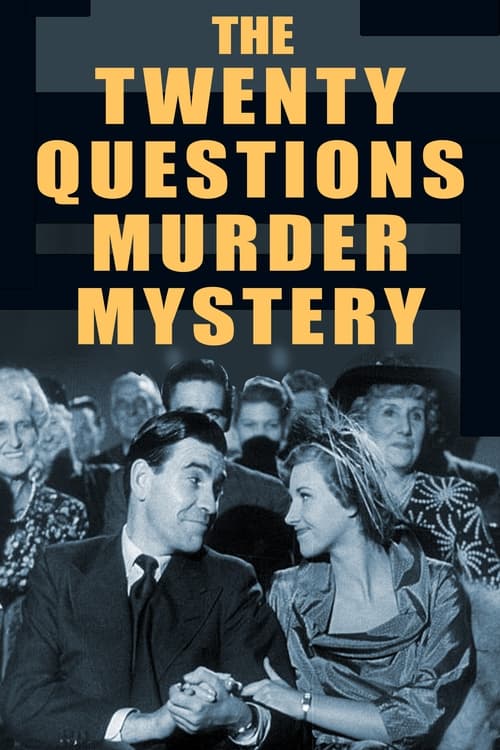
The film functions as a conventional genre piece, focusing on mystery clichés and plot mechanics while reflecting the social and casting standards of 1950s cinema. Narrative elements center around a radio game show and a detective-style investigation, reinforcing traditional Western morality without challenging established hierarchies or cultural norms. Overall, the work lacks the diversity needed to disrupt established social frameworks, operating as a standard studio-era production.
Category Breakdown
The film follows traditional structures typical of 1950s cinema and does not include non-traditional gender identities or critiques of societal norms.
Female reporters or panelists may appear, but the film likely reinforces traditional mid-century gender roles without challenging male dominance or female intellectual leadership.
The production reflects the homogeneous casting norms of its era, with no indication of diverse ethnic representation.
The narrative upholds traditional Western social order through its focus on justice and morality, adhering to conventional social constraints.
There is no information available regarding characters with visible or invisible disabilities, and no representation of disability is present in the narrative.
Present on Screen
Limited or Absent
Official Synopsis
The story evolves around a radio panel game show "Twenty Questions." The panel is challenged with an anonymous question. The answer leads to a series of murders in which the killer uses the programme to name his victims in advance. Two reporters spot a link between them and enlist the aid of the panel in trapping the guilty party.
1944

1973

1942
1964
1936
1946

1942
1941
No reviews yet. Be the first to share your thoughts on this movie!
Use the rating form above to leave a star rating and optional review.