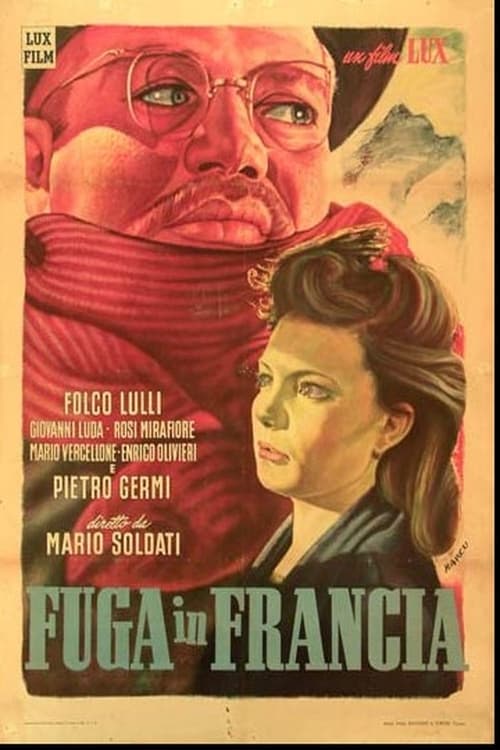
Escape to France
1948
No user ratings available yet
Representation score: 2.4 out of 10
Representation Score
Minimal
1965
Director
Henri Calef
Runtime
101 minutes
Average Rating
No ratings yetNew Showbiz Analysis
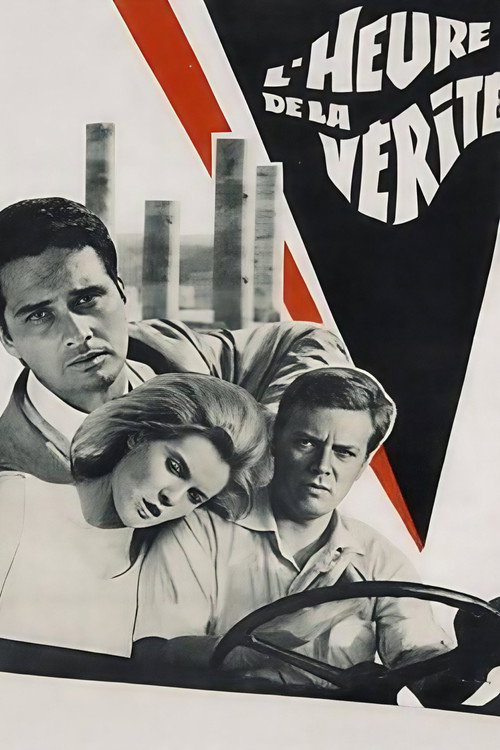
The Hour of Truth is a philosophical drama centered on the ethics of truth and social stability. It prioritizes intellectual inquiry over demographic diversity, operating within a standard mid-20th-century dramatic framework. While the film offers depth through its exploration of moral relativism and the systemic consequences of truth, it lacks representation across most social categories. The narrative adheres to the traditional hierarchies of its era. Ultimately, the film's value lies in its thematic complexity rather than its social diversity, as it lacks diverse casting and subversion of traditional power structures.
Category Breakdown
The film does not include any LGBTQ+ characters or stories about non-assuming gender matches what was assigned at birth identities. It focuses on a traditional legal and moral framework.
The story centers on a male-dominated judicial environment where primary conflicts involve male protagonists navigating professional and moral authority within conventional power dynamics.
The story focuses on a European-centric historical context regarding post-WWII identity. There is no evidence of a non-white majority cast or race-bent casting.
The film explores moral relativism and the tension between absolute and social truth. It challenges the idea of a singular, objective morality through situational ethics.
There is no evidence of characters with visible or invisible disabilities. Disability is not used as a narrative device in this production.
Present on Screen
Limited or Absent
Official Synopsis
At the end of World War 2, a Nazi escapes arrest by assuming the identity of concentration camp victim. 20 years later, he is threatened with exposure. The only way out would seem to be murder. Hour of Truth was lensed largely on location in Israel.
1948
1976
1975
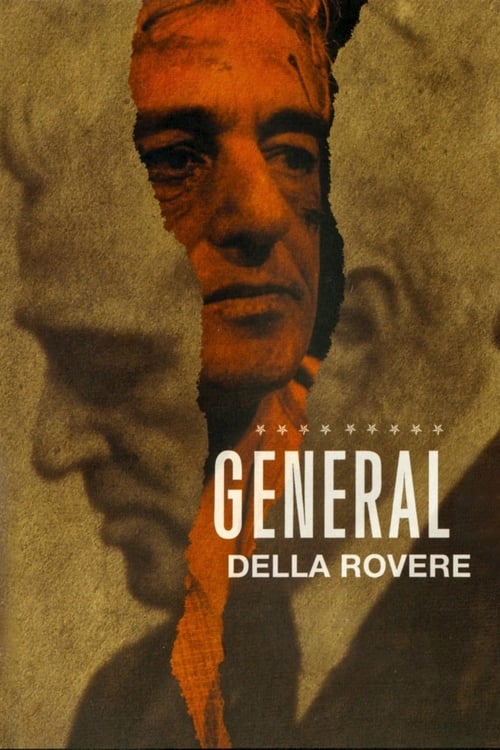
1959
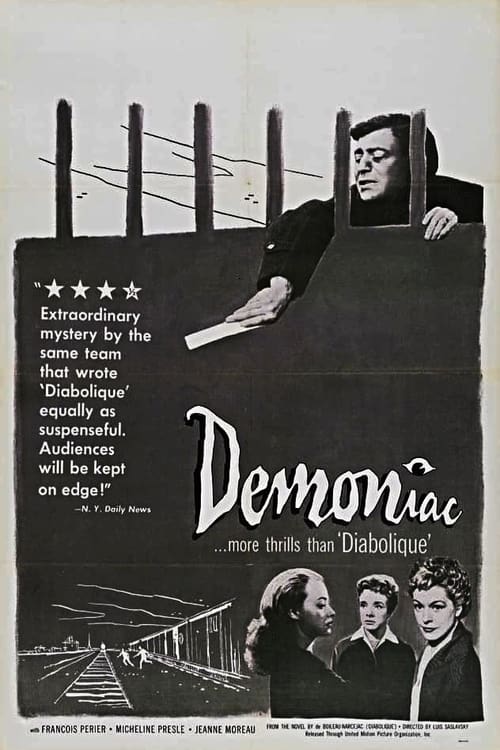
1957
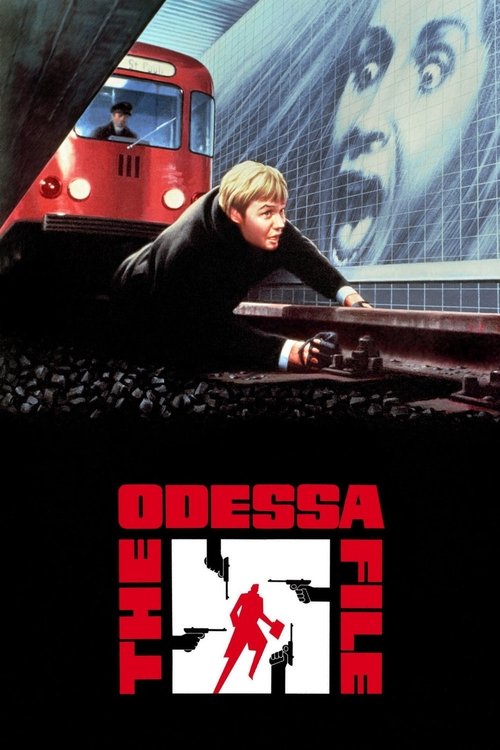
1974
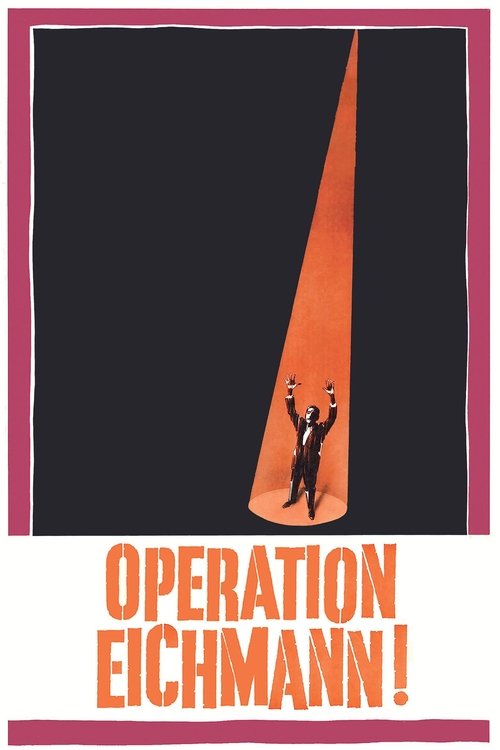
1961
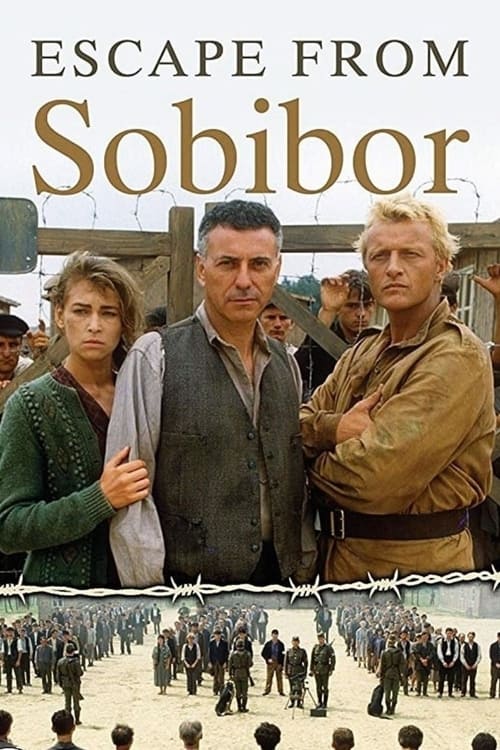
1987
No reviews yet. Be the first to share your thoughts on this movie!
Use the rating form above to leave a star rating and optional review.