
Escape to France
1948
No user ratings available yet
Representation score: 2.4 out of 10

Representation Score
Fair
1983
Director
Sergey Solovyov
Runtime
120 minutes
Average Rating
No ratings yetNew Showbiz Analysis
The film serves as a character-driven exploration of youth and disillusionment, rather than a vehicle for diverse representation. It prioritizes the psychological weight of existence over overt sociopolitical messaging. While the work avoids simplistic moral binaries, it remains grounded in a specific historical and demographic context, resulting in a lack of visible diversity regarding race, queer identity, or disability. Ultimately, the film's strength lies in its sophisticated narrative structure. It challenges traditional archetypes through existential inquiry, even if it does not fully embrace modern diversity standards.
Category Breakdown
The film does not show any clear examples of non-straight or non-cisgender identities. Queer relationships or identities are not central to the story.
The story explores the emotional complexity between young men and women. It avoids rigid masculine stereotypes by showing vulnerability and disillusionment instead of action-oriented roles.
The cast appears mostly uniform, reflecting a specific Soviet and European historical context. There is no evidence of significant ethnic diversity or race-bent casting.
The narrative focuses on internal moral dilemmas and personal ability to act. It disrupts simple moral binaries by emphasizing a complex, situational understanding of truth.
There are no prominent depictions of physical or neurodivergent disabilities. Such traits do not serve as central plot drivers or character arcs.
Present on Screen
Limited or Absent
Official Synopsis
A man wants to flee wartime Germany and the detested Nazis to Colombia, where his brother lives. In order to achieve his goal he agrees to become an informer for the Reich.
1948

1945

1961

1977

1946

1943

1959
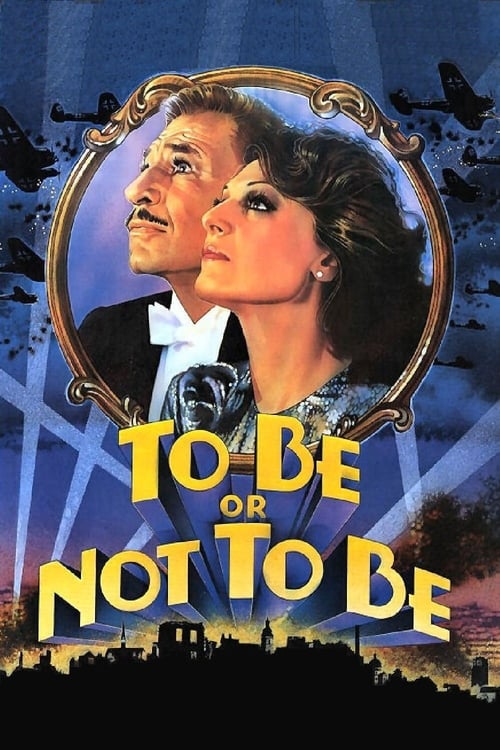
1983
No reviews yet. Be the first to share your thoughts on this movie!
Use the rating form above to leave a star rating and optional review.