The Baker's Wife
1938
No user ratings available yet
Diversity score: 2.7 out of 10
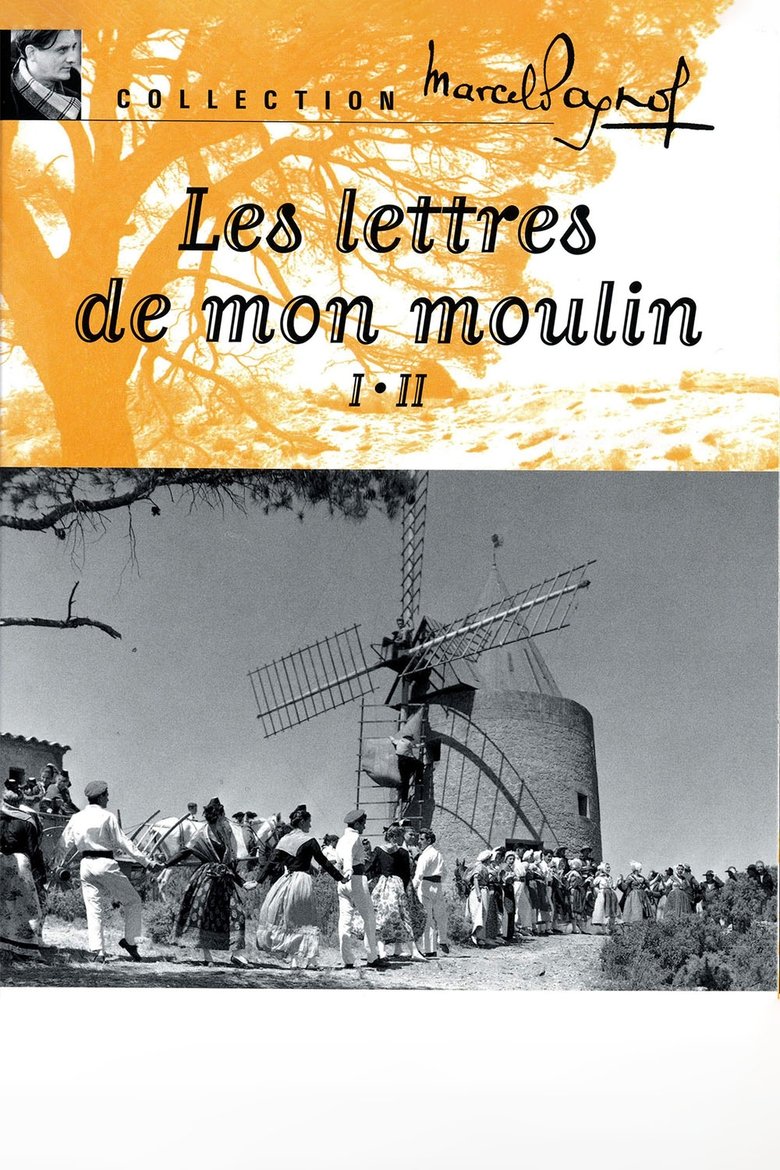
1954
Director
Marcel Pagnol
Runtime
160 minutes
Average Rating
No ratings yetSynopsis
Set in the countryside of Provence, the film is based on three tales from Alphonse Daudet's 1869 short story collection Letters from My Windmill: "The Three Low Masses", "The Elixir of Father Gaucher" and "The Secret of Master Cornille".
Overall Score
Limited
Category Breakdown
LGBTQ+ Representation
The film lacks LGBTQ+ characters or narratives. It adheres strictly to the social mores of 1954, offering no critique of heteronormativity.
Gender Representation
Women exist within the Provençal social fabric, but the narrative follows traditional mid-20th-century hierarchies. Female intellect is not a central driver of the plot.
Racial & Ethnic Diversity
The casting is overwhelmingly homogeneous, reflecting the demographic reality of rural Provence. It prioritizes historical accuracy over diverse or race-bending casting.
Religious & Cultural Diversity
The film offers a nuanced, humanistic view of spirituality. It focuses on the small truths of village life rather than rigid religious dogma.
Disability Representation
There is no discernible evidence regarding the portrayal of physical or neurodivergent disabilities within the narrative.
Strengths
Areas for Improvement
AI Analysis
Marcel Pagnol’s work functions as a piece of regional classicism, celebrating Provençal heritage through character-driven morality. The film is a traditional cultural artifact that reflects the demographic homogeneity and social constraints of its era. While the storytelling is humanistic, it lacks the intersectional complexity found in modern cinema. The narrative architecture is designed to explore local community nuances rather than disrupt systemic social hierarchies. Ultimately, the film provides an accurate historical reflection of 1950s rural France, prioritizing regionalism over contemporary identity politics.
1938

1936

2024
1954
1965
1965
1956
1978
1993
1965
1966

1976
No reviews yet. Be the first to share your thoughts on this movie!
Use the rating form above to leave a star rating and optional review.