
Man of Iron
1981
No user ratings available yet
Representation score: 3.0 out of 10
Representation Score
Limited
2011
Director
Antoni Krauze
Runtime
100 minutes
Average Rating
No ratings yetNew Showbiz Analysis
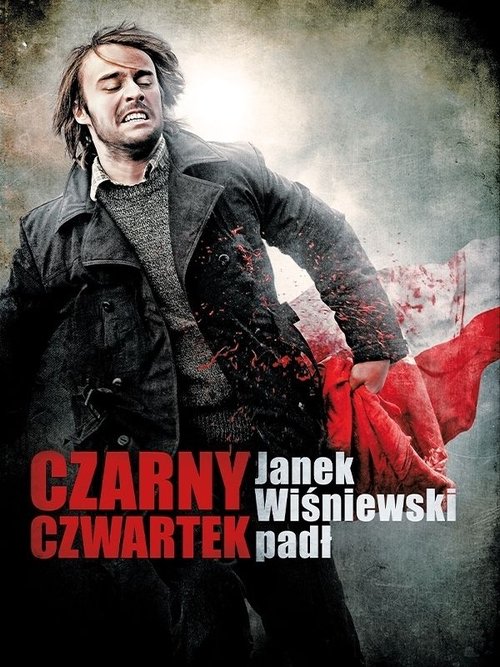
Black Thursday is a specialized historical reconstruction that prioritizes national memory over modern diversity frameworks. It functions as a cinematic deconstruction of power dynamics between the state and the citizenry. The film excels at portraying the struggle against systemic oppression, framing the protestors as agents of moral necessity. However, it remains anchored in the demographic realities of 1970s Poland, which limits its breadth of representation. Ultimately, the work trades contemporary diversity for historical authenticity, focusing on the clash between individual dignity and state-mandated ideology.
Category Breakdown
The film focuses on labor unrest and state violence in a mid-20th-century setting. There are no characters or narratives addressing non-straight relationships.
Male protestors and military figures play significant roles in the film. Women appear in the civilian landscape, reflecting the traditional social structures of 1970s Poland.
The film depicts a largely homogeneous ethnic population consistent with the era. It focuses on political and class-based identity rather than racial diversity.
The narrative provides a strong critique of the communist state apparatus. It highlights the tension between individual morality and a corrupt, monolithic institution.
The narrative remains strictly focused on the political and physical struggle of the mass movement. There is no specific focus on characters with disabilities.
Present on Screen
Limited or Absent
Official Synopsis
Antoni Krauze reminds one of the darkest history of the cards with PRL. Spectacular reconstruction of the dramatic events in Gdynia, ended a brutal pacification of demonstrators by troops and militia in 1970.
1981

2014

2022

1989

2021
2002

1994

2008
No reviews yet. Be the first to share your thoughts on this movie!
Use the rating form above to leave a star rating and optional review.