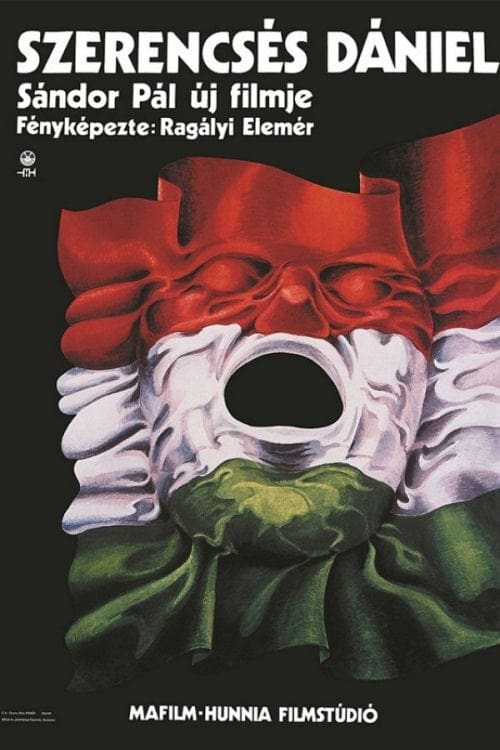
Daniel Takes a Train
1985
No user ratings available yet
Representation score: 5.9 out of 10
Representation Score
Limited
2000
Director
Franz Antel
Runtime
95 minutes
Average Rating
No ratings yetNew Showbiz Analysis
The film operates within the established conventions of traditional European historical drama. It prioritizes a localized struggle for survival, centering on patriarchal family structures and period-specific geopolitical tensions. Representation is limited by the film's focus on a homogeneous Central European demographic. The narrative lacks intentionality regarding the overlapping aspects of identity or the deconstruction of social hierarchies. Ultimately, the work adheres to traditionalist survivalist clichés, emphasizing masculine ability to act and family preservation during the 1956 Hungarian revolt.
Category Breakdown
The film does not include any LGBTQ+ characters or narratives. It focuses on family units and geopolitical conflicts within a 1956 setting, maintaining a traditional approach to character dynamics.
The narrative centers on Karl Bockerer, a patriarchal figure who acts as a protector. The story relies on traditional masculine roles to navigate political turmoil rather than challenging gender hierarchies.
The cast reflects the homogeneous demographic typical of Central European period dramas. Set during the Hungarian revolt, there is no evidence of diverse racial casting.
The film explores political resistance against Soviet occupation. It functions as a historical drama centered on family survival and cunning rather than a systemic critique of Western institutions.
There are no visible or invisible disabilities that play a central role in the character arcs or plot progression.
Present on Screen
Limited or Absent
Official Synopsis
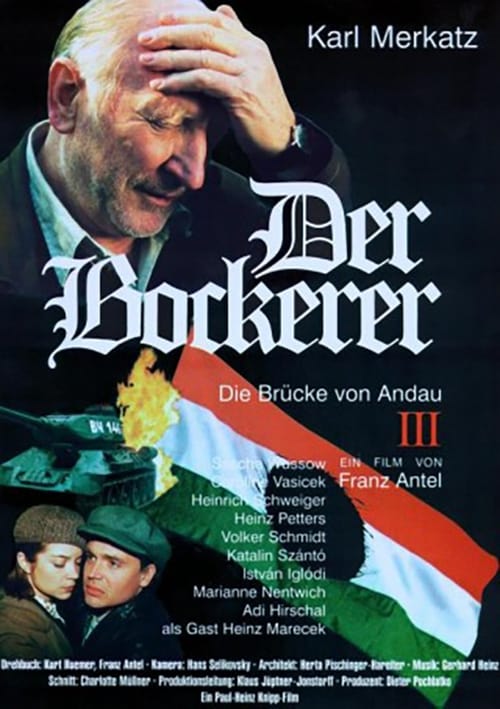
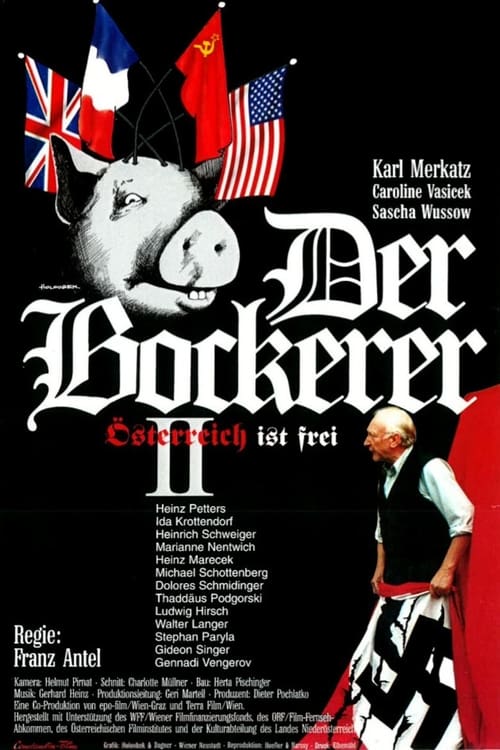
Vienna, 1956. Viennese butcher Karl Bockerer goes to Hungary to buy meat. Along with his foster son and grandchild, he is caught up in the turmoil of the Hungarian revolt against the Soviet occupiers. With some luck and a great deal of cunning, Bockerer and his family manage to escape, but the Austrian border is closed - except for the bridge to Andau...
1985
1985
2003

1977
1996

1989

2016
1961
No reviews yet. Be the first to share your thoughts on this movie!
Use the rating form above to leave a star rating and optional review.