
Echo
1964
No user ratings available yet
Representation score: 1.1 out of 10
Representation Score
Limited
1982
Director
Stanisław Różewicz
Runtime
84 minutes
Average Rating
No ratings yetNew Showbiz Analysis
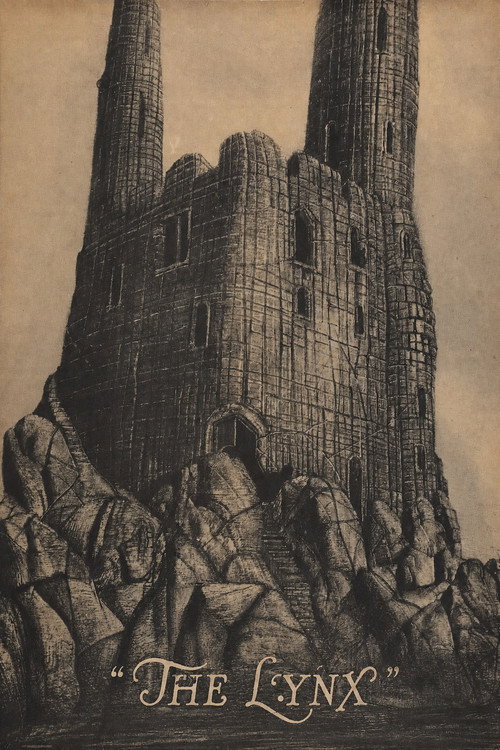
The Lynx is a historical drama that prioritizes moral and political conflicts over contemporary identity issues. It uses the German occupation of Poland to explore the clash between religious authority and revolutionary violence. The film is rooted in the socio-political realities of the 1940s. Consequently, it lacks the multi-layered frameworks and demographic diversity seen in modern cinema. Ultimately, the work focuses on existential and ethical dilemmas rather than intentional demographic representation.
Category Breakdown
The film adheres to the traditional social structures of its historical context. There is no depiction of LGBTQ+ identities or critiques of the assumption that everyone is straight or cisgender within the narrative.
The main conflict revolves around a masculine perspective, involving a priest and a revolutionary. The narrative emphasizes male-driven ability to act and ideological confrontation.
The story centers on the ethnic struggle of occupied Poland. It addresses systemic oppression through a lens of national identity rather than diverse racial backgrounds.
The film explores traditional institutions by placing a priest in contact with a revolutionary. This highlights a critique of institutional morality during systemic crises.
There is no information available regarding the inclusion of characters with physical or neurodivergent disabilities.
Present on Screen
Limited or Absent
Official Synopsis
Set during the German occupation of Poland during WWII. A priest in a small village meets a revolutionary who is on an assignment to kill a supposed Nazi collaborator.
1964

1975

1959

1958
1956

1943

2012
1978
No reviews yet. Be the first to share your thoughts on this movie!
Use the rating form above to leave a star rating and optional review.