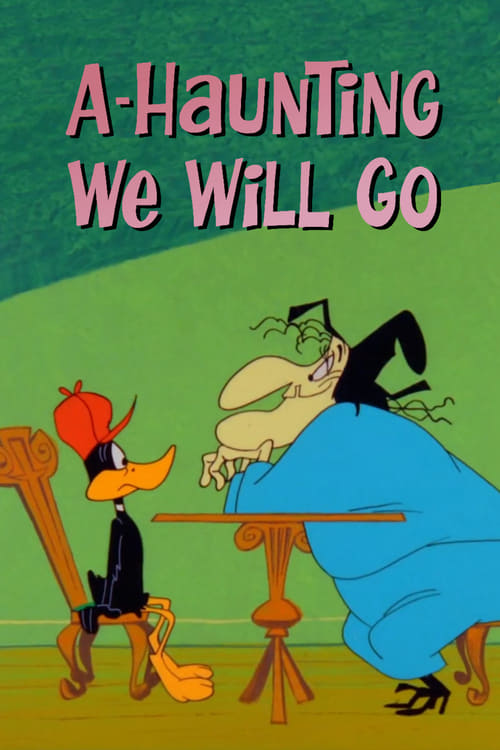
A-Haunting We Will Go
1966
No user ratings available yet
Representation score: 2.5 out of 10
Representation Score
Limited
1945
TV-GDirector
Izzy Sparber
Runtime
9 minutes
Average Rating
No ratings yetNew Showbiz Analysis
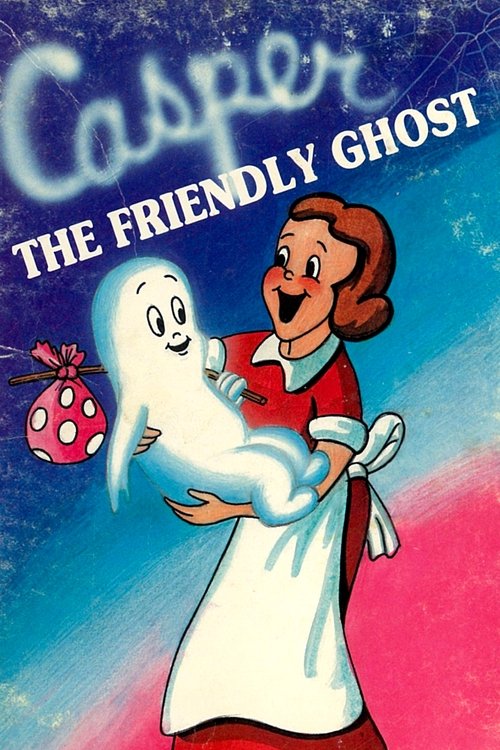
This 1945 short serves as a foundational moral fable centered on Casper's desire for companionship. While it challenges the cliché of the scary ghost, the narrative remains confined to traditional storytelling conventions of its time. The film uses a homogeneous cast of animals and ghosts to advance its plot. It does not engage with diverse identities, focusing instead on a singular, conventional arc of social acceptance. Ultimately, the work functions as a standard mid-century animation. It prioritizes a gentle lesson on kindness over any meaningful exploration of systemic power dynamics or diverse lived experiences.
Category Breakdown
The film centers on Casper's quest for friendship. There are no representations of LGBTQ+ identities or same-sex relationships.
Women play a limited role in the story. The supporting characters are animals and nameless ghostly siblings, without specific gender roles.
The setting features anthropomorphic animals in a typical fable format. There is no indication of racial diversity or intentional ethnic representation.
The story adheres to Western social norms, shown by Casper reading a Dale Carnegie book. It upholds conventional morality without questioning Western institutions.
A mole wears glasses to correct vision, briefly depicting a sensory aid. This serves mainly as a plot device.
Present on Screen
Limited or Absent
Official Synopsis
Casper struggles to find friends who won't run away scared when they meet him.
1966
1941
1951
1945
1951
1947

1951
1944
No reviews yet. Be the first to share your thoughts on this movie!
Use the rating form above to leave a star rating and optional review.