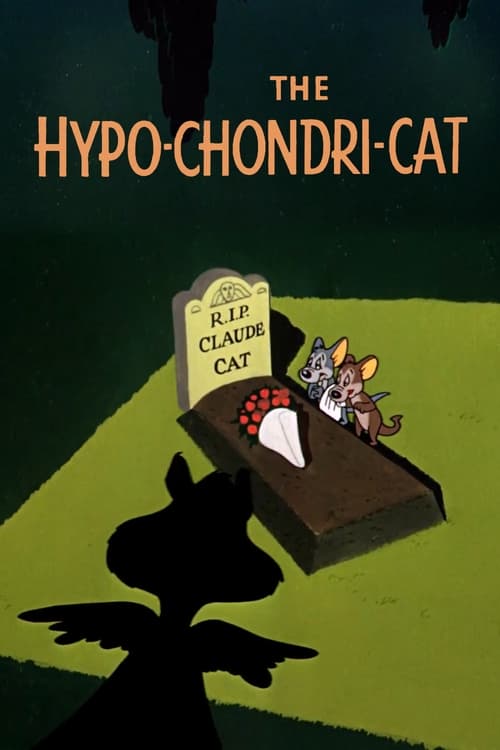
The Hypo-Chondri-Cat
1950
No user ratings available yet
Representation score: 4.3 out of 10
Representation Score
Limited
1951
ApprovedDirector
John Hubley
Runtime
7 minutes
Average Rating
No ratings yetNew Showbiz Analysis
This animated short follows a traditional mid-century structure, emphasizing slapstick humor over social complexity. While director John Hubley is known for innovative style through UPA, this particular entry focuses narrowly on a single male character's perspective. The film lacks representation of multiple identities, focusing almost exclusively on a single male character. It does not challenge established social hierarchies or introduce diverse cultural or ethnic identities. Ultimately, the work serves as typical family entertainment of its time, relying on well-known comedic clichés rather than offering a platform for diverse voices or nuanced portrayals of identity.
Category Breakdown
The film does not include any LGBTQ+ characters or explore non-cisgender identities.
The story revolves around a single male protagonist. There are no female characters or subversions of traditional gender roles.
The plot involves a local interaction between a human and an animal. No diverse ethnic or racial backgrounds are represented.
The film relies on traditional mid-century slapstick humor and sight gags. It does not critique Western institutions or present secularist or anti-capitalist themes.
Mr. Magoo’s visual impairment is used primarily as a plot device for comedy. The film does not provide a nuanced exploration of his disability.
Present on Screen
Limited or Absent
Official Synopsis
Mr. Magoo has mistaken a walrus for a human friend and various sight gags are shown in typical Magoo fashion.
1950
1949
1944
1947
1941

1951
1946
1967
No reviews yet. Be the first to share your thoughts on this movie!
Use the rating form above to leave a star rating and optional review.