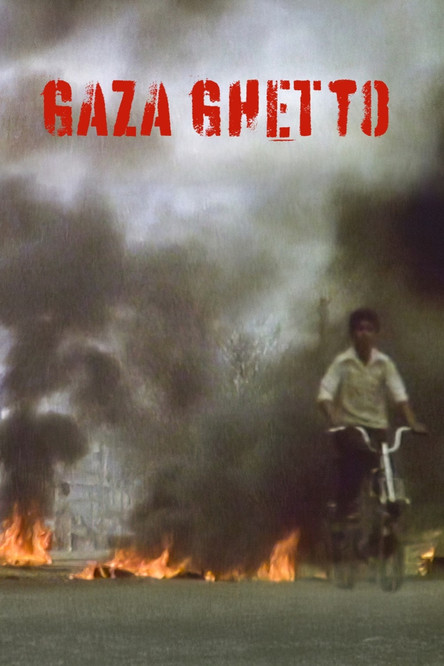
Gaza Ghetto
1985
No user ratings available yet
Representation score: 4.5 out of 10
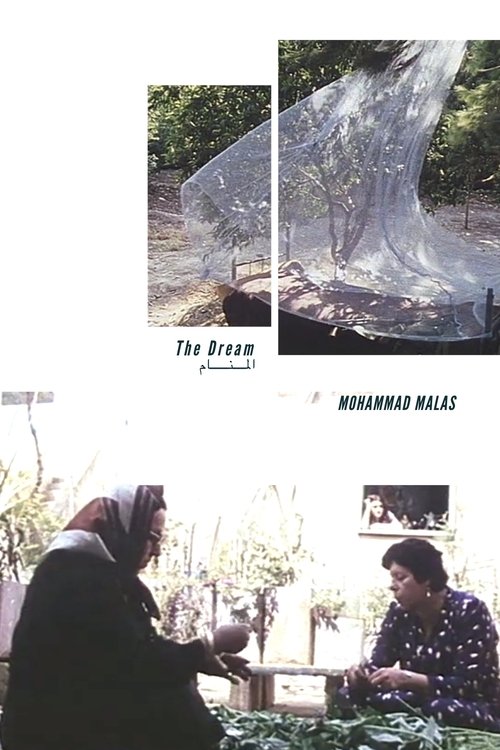
Representation Score
Limited
1987
Director
Mohammad Malas
Runtime
45 minutes
Average Rating
No ratings yetNew Showbiz Analysis
Mohammad Malas’s documentary is a vital archival piece that prioritizes the subjective, psychological experience of Palestinian refugees. By using a non-linear, dream-like structure, the film elevates displaced individuals from mere statistics to complex, sentient beings. The film's primary strength lies in its profound racial and cultural depth. It challenges Western media clichés by giving subjects a prominent role in defining their own stories. It documents their identities and resistance to erasure within Lebanese refugee camps. However, the film lacks diversity in other social dimensions. It does not include any explicit LGBTQ+ narratives or characters. Gender perspectives are limited, primarily focusing on male experiences.
Category Breakdown
The film does not include any explicit LGBTQ+ characters or narratives. Its focus is on the collective experience of displacement and internal psychological states.
The narrative focuses on a traditional perspective, mainly centered around the male experience and a male child. It does not significantly challenge traditional gender hierarchies.
The film provides exceptional representation by centering the lived realities of Palestinian populations. It allows subjects to define their own reality through interviews and personal experiences.
The work prioritizes the subjective truth of the underrepresented over official histories. It uses a poetic lens to deconstruct traditional Western documentary formats regarding displacement.
There is no documented evidence of characters with visible or invisible disabilities being used as central plot devices.
Present on Screen
Limited or Absent
Official Synopsis
Interviews with Palestinians living in Lebanese refugee camps, some of it shot in Sabra and Shatila before the massacre.
1985

2024
1979

2011
1983

2008
1982

1978
No reviews yet. Be the first to share your thoughts on this movie!
Use the rating form above to leave a star rating and optional review.