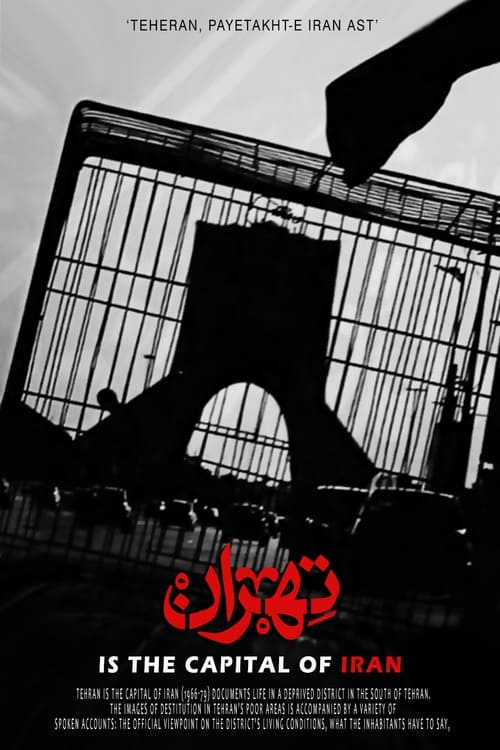
Tehran Is the Capital of Iran
1966
No user ratings available yet
Representation score: 3.7 out of 10
Representation Score
Limited
1974
Director
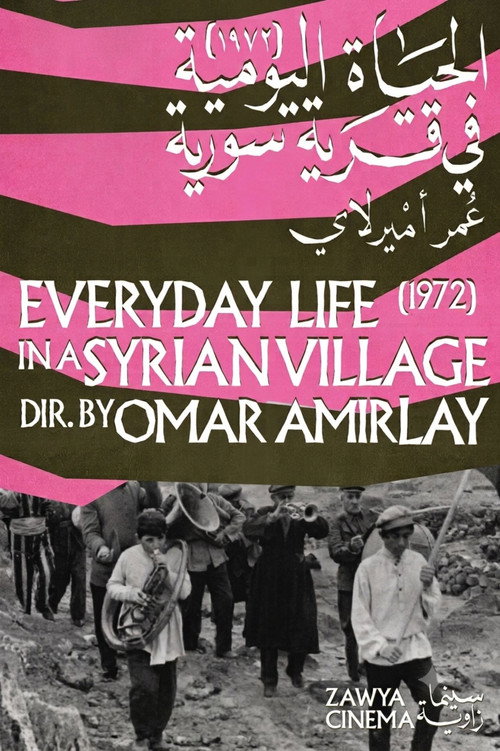
Omar Amiralay
Runtime
83 minutes
Average Rating
No ratings yetNew Showbiz Analysis
Omar Amiralay’s documentary serves as a vital piece of observational cinema that centers Middle Eastern identity. Its primary strength lies in its refusal to adopt a Western-centric lens, instead providing an authentic look at a Syrian community's daily rhythms and social structures. While the film excels in cultural and racial authenticity, it remains a product of its time and specific subject matter. It does not engage with LGBTQ+ identities or disability representation, focusing instead on the socio-political impact of state reforms. Ultimately, the work's value is found in its systemic critique. It challenges top-down social engineering by documenting how centralized political changes disrupt the existing social fabric of rural life.
Category Breakdown
The film focuses on rural agrarian life and does not include LGBTQ+ characters or narratives. It maintains a strict ethnographic focus on the village's socio-political landscape.
The documentary captures the traditional social hierarchies of a 1970s Syrian village. It observes the division of domestic and agricultural labor without explicitly challenging gendered power dynamics.
By centering a Middle Eastern population, the film avoids Western-centric casting. It provides a significant role in driving the story to a community often sidelined in global cinema through authentic lived experiences.
The narrative critiques state-driven modernization and its impact on traditional communal structures. It explores the tension between centralized authority and local agrarian life.
There is no evidence regarding the portrayal of visible or invisible disabilities within the film's observational framework.
Present on Screen
Limited or Absent
Official Synopsis
The first documentary to present an unabashed critique of the impact of the Syrian government’s agricultural and land reforms, Everyday Life in a Syrian Village delivers a powerful jab at the state’s conceit of redressing social and economic inequities.
1966

2011

1959
2015

1977

2024

2003
1973
No reviews yet. Be the first to share your thoughts on this movie!
Use the rating form above to leave a star rating and optional review.