The Dream
1987
No user ratings available yet
Representation score: 3.1 out of 10
Representation Score
Fair
1985
11Director
Per-Åke Holmquist, Joan Mandell, Pierre Björklund
Runtime
85 minutes
Average Rating
No ratings yetNew Showbiz Analysis
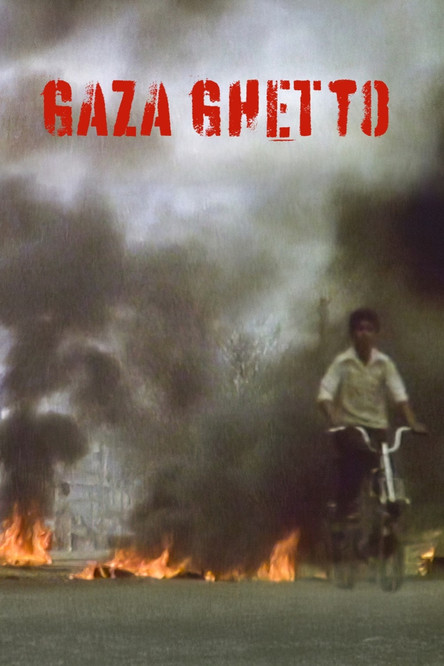
Gaza Ghetto serves as a vital piece of observational cinema that disrupts monolithic geopolitical storytelling. By centering a displaced Palestinian family, the film prioritizes underrepresented perspectives over state-centric narratives. The documentary effectively highlights the tension between personal memory and state-imposed boundaries. This tension is captured through the family's connection to their former land and the restrictive reality of modern permit requirements. While the film provides strong ethnic and cultural representation, it remains centered on patriarchal lineage. This limits the breadth of its gender-based narrative depth.
Category Breakdown
The film focuses on familial structures and geopolitical displacement. There are no LGBTQ+ characters or narratives addressing non-straight relationships.
A maternal figure asserts control through her economic contributions in Jaffa and Tel Aviv. However, the narrative focus remains primarily on patriarchal lineage through the grandfather and great-grandfather.
The documentary excels by centering Palestinian identity and the lived experiences of a displaced population. It shifts the lens away from state actors toward the granular realities of a refugee family.
The film critiques state institutions by framing interactions through permit requirements and land ownership. It uses historical memory to challenge dominant geopolitical narratives and established authority.
There is no discernible evidence regarding the portrayal of physical or neurodivergent disabilities within the film.
Present on Screen
Limited or Absent
Official Synopsis
Gaza Ghetto: Portrait of a Family, 1948 – 1984 is a documentary film about the life of a Palestinian family living in the Jabalia refugee camp. The film, created by Joan Mandell, Pea Holmquist, and Pierre Bjorklund in 1984 is believed to be the first documentary ever made in Gaza. The film features Ariel Sharon, Binyamin Ben-Eliezer and soldiers on patrol "candidly discuss[ing] their responsibilities." The film follows a refugee family from the Gaza Strip who visit the site of their former village, now a Jewish town in Israel. As the grandfather and great-grandfather point out an orchard and sycamore fig that belonged to Muhammed Ayyub and Uncle Khalil, an Israeli resident appears and tells them to leave, claiming they need a permit to be there. The mother tells him that, "We work in Jaffa and Tel Aviv and that's not forbidden," to which he replies, "Here it's forbidden."
1987
2011

2023
2024
1982
1980
1983
2014
No reviews yet. Be the first to share your thoughts on this movie!
Use the rating form above to leave a star rating and optional review.