
Let's Sing with Popeye
1934
No user ratings available yet
Representation score: 0.7 out of 10
Representation Score
Limited
1945
ApprovedDirector
Dick Lundy
Runtime
6 minutes
Average Rating
No ratings yetNew Showbiz Analysis
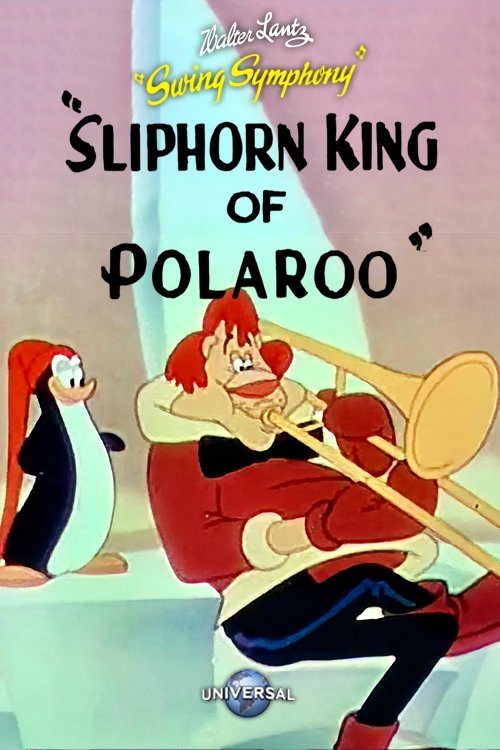
Sliphorn King of Polaroo is a rhythmic musical short that emphasizes swing-era expression over complex social commentary. It primarily uses music to drive the plot and character interactions. The film adheres to mid-century conventions, focusing on a solo male adventurer without diverse human representation. However, it avoids heavy moralizing by centering on the liberating power of music. Though it does not engage in systemic critique, the film highlights cultural integration through art, providing a minor sense of fluidity within its structured animation style.
Category Breakdown
The film does not include any LGBTQ+ characters or non-assuming gender matches what was assigned at birth identities. The story focuses solely on the protagonist's musical performances and interactions with nature.
The story revolves around a single male protagonist named Jackson. It follows the mid-century animation cliché of the solo male adventurer without featuring any female characters or challenging traditional gender roles.
The social group consists of anthropomorphized seals and penguins. Human racial dynamics are not shown, but the film centers on a musical exchange between a human and a non-human collective.
Jazz and jive serve as unifying forces in the film. The protagonist uses music to integrate into a new environment, emphasizing artistic expression over traditional authority or rigid moralism.
There are no visible or invisible disabilities depicted within the film's narrative or characterizations.
Present on Screen
Limited or Absent
Official Synopsis
This Swing Symphony cartoon from Walter Lantz features the sweet trombone playing (for Jackson)of Jack Teagarden and baritone Lee Sweetland as the speaking and singing voice of Jackson, the trombone-playing merchant-marine sailor who is shipwrecked in the icy wastes of the far north. His trombone playing knocks the native seals and penguins out of their sox, and his jive and jazz keeps everyone steppin', truckin' and warm, and he is crowned the Sliphorn King of Polaroo.
1934
1942

1935
1947
1941

1955
1942
1936
No reviews yet. Be the first to share your thoughts on this movie!
Use the rating form above to leave a star rating and optional review.