The Taming of the Shrew
1980
No user ratings available yet
Representation score: 0.2 out of 10
Representation Score
Minimal
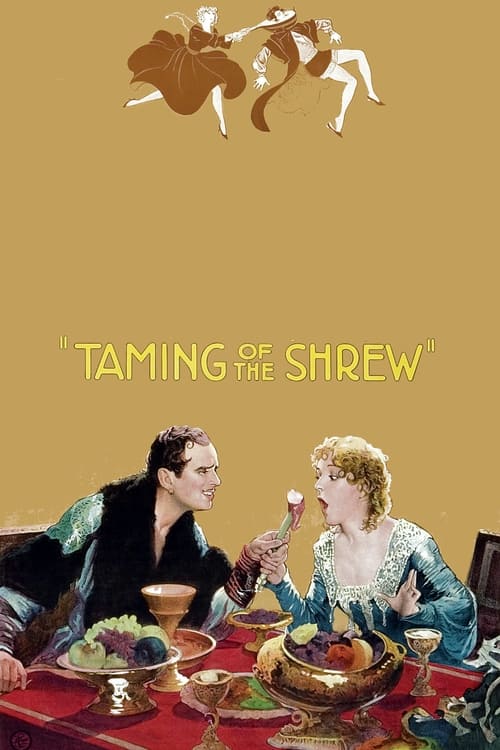
1929
NRDirector
Sam Taylor
Runtime
63 minutes
Average Rating
No ratings yetNew Showbiz Analysis
This silent film adaptation upholds traditional social hierarchies. It closely follows the original text's focus on domestic authority and patriarchal structures. The production lacks depth in representing diverse identities, offering a monolithic view of its Renaissance setting. It reinforces the era's conventional social norms rather than challenging them. Ultimately, the film reinforces established gender and class roles, providing little representation for underrepresented identities or non-traditional social structures.
Category Breakdown
The film does not include any queer narratives. Romantic relationships are confined to traditional heterosexual courtships and marriages.
The story emphasizes strict gender roles by suppressing Katherine's ability to influence the plot. Female intelligence is shown as a challenge for male authority figures to manage.
The casting reflects the homogeneity typical of 1920s Western cinema. The film presents a uniform view of the setting without any racial mixing or non-Anglo-Saxon leads.
The film upholds the social hierarchy and patriarchal family structure of the time. It supports the social order of the period without critiquing institutional power.
There are no characters with visible or invisible disabilities in the film. The story focuses solely on the social and romantic lives of the nobility.
Present on Screen
Limited or Absent
Official Synopsis
Adapted from Shakespeare's play: Baptista Minola, a wealthy resident of Padua, is the father of Katherine and Bianca. The younger daughter, Bianca, is charming and has many suitors. But her father will not allow Bianca to be married until her older sister, who is notoriously quarrelsome and bad-tempered, is married first. When Petruchio comes from Verona to Padua in search of a wife, he hears of this situation, and he accepts the challenge of trying to woo and marry the ill-natured Katherine.
1980
1967
1908
1980
1921
1952
1961
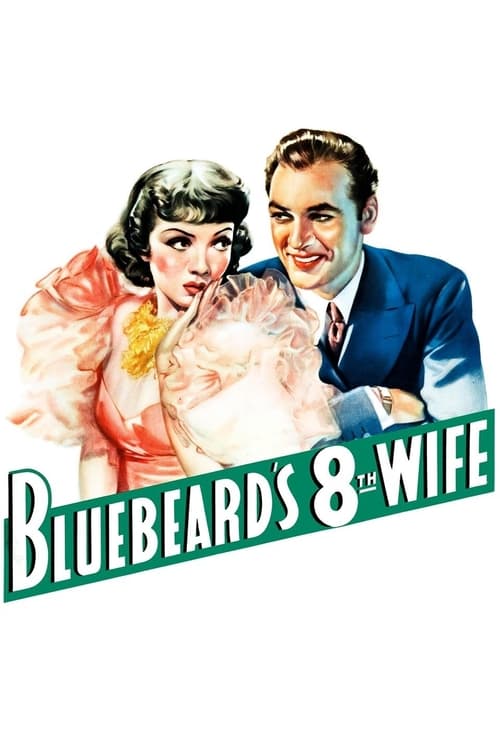
1938
No reviews yet. Be the first to share your thoughts on this movie!
Use the rating form above to leave a star rating and optional review.