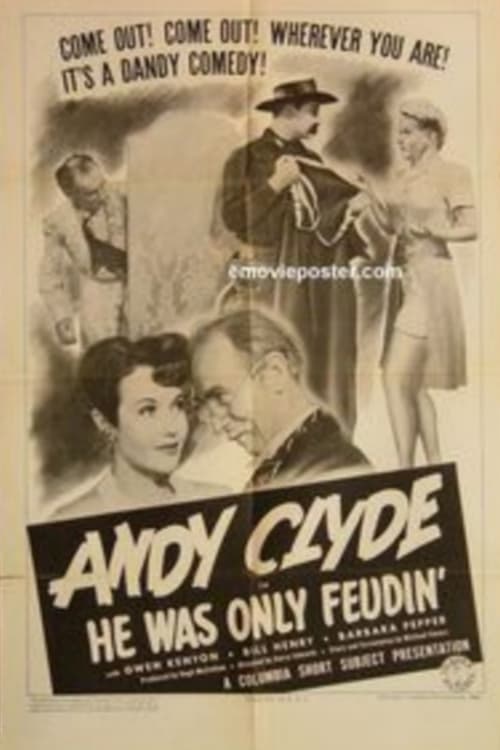
He Was Only Feudin'
1943
No user ratings available yet
Diversity score: 2.7 out of 10
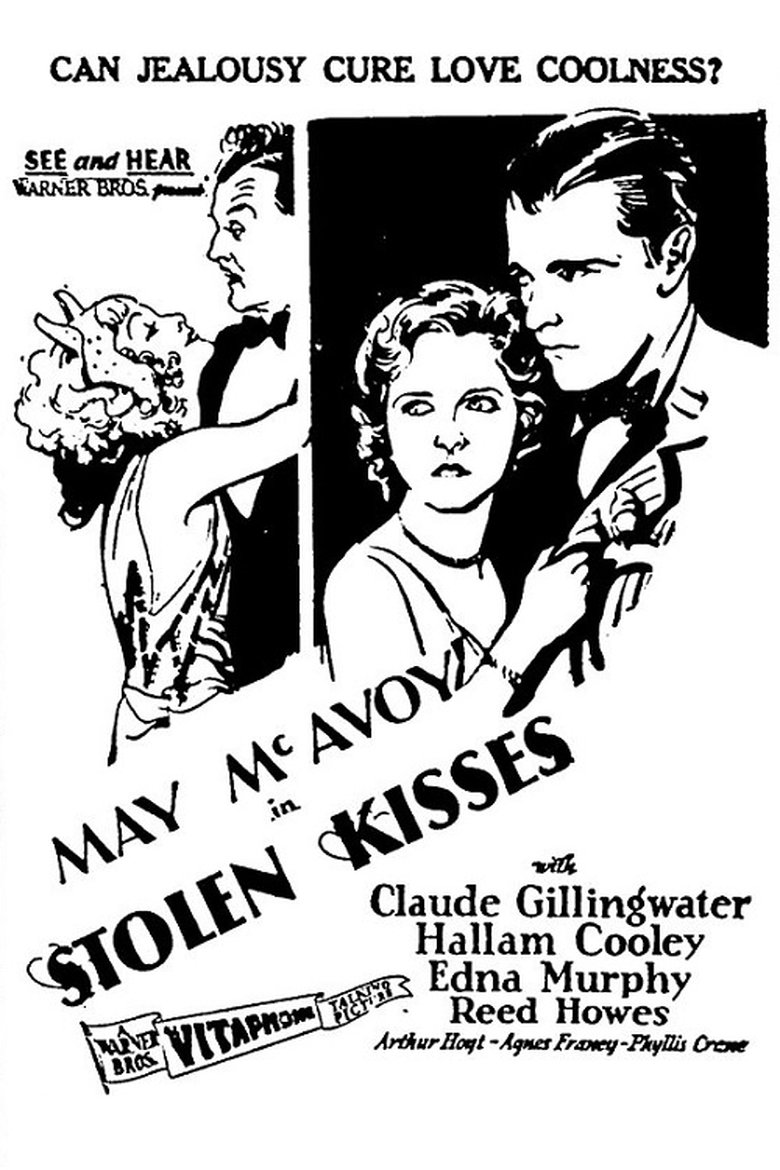
1929
PassedDirector
Ray Enright
Runtime
70 minutes
Average Rating
No ratings yetSynopsis
A crotchety old coot wants his son and daughter-in-law to have kids so he can have grandchildren, but so far they haven't done so. In a somewhat ham-handed attempt to bring them closer together so they'll be in the mood to give them the grandchildren he wants, he winds up bringing them to the point where they're considering divorcing. He decides to change his tactics in order to achieve his goal.
Overall Score
Minimal
Category Breakdown
LGBTQ+ Representation
The film lacks any discernible presence of LGBTQ+ characters. The narrative is centered entirely on traditional romantic entanglements and heteronormative frameworks.
Gender Representation
The story reinforces traditional hierarchies by pressuring a daughter-in-law to fulfill reproductive roles. Female agency remains secondary to domestic expectations and the patriarch's whims.
Racial & Ethnic Diversity
The cast is predominantly white, reflecting the homogeneous social norms of 1929. There is no evidence of intersectional or non-Anglo-Saxon character inclusion.
Religious & Cultural Diversity
The plot promotes the stability of the traditional family model and Western institutions. It upholds patriarchal structures rather than offering any institutional critique.
Disability Representation
There are no recorded instances of characters with visible or invisible disabilities. Characters function within standard physical and neurotypical archetypes.
Strengths
Areas for Improvement
AI Analysis
Stolen Kisses is a product of its era, functioning primarily to reinforce the social and racial hierarchies of the late 1920s. The comedy is driven by a patriarchal desire for lineage, which centers the narrative on traditional family structures. The film offers almost no representation of marginalized identities, including LGBTQ+ individuals or people with disabilities. It presents a homogeneous, middle-class urban environment that lacks racial or ethnic complexity. Ultimately, the work serves as a reinforcement of established norms rather than a subversion of them. It prioritizes the preservation of the nuclear family over any exploration of diverse identities or power dynamics.
1943
1946
1935
1939
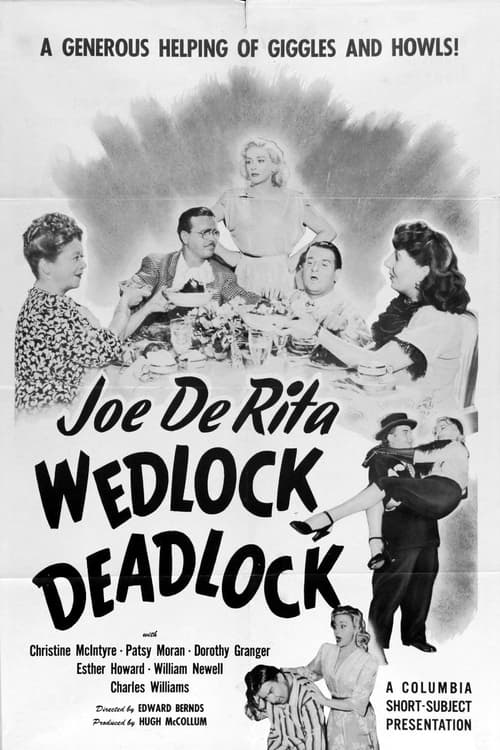
1947
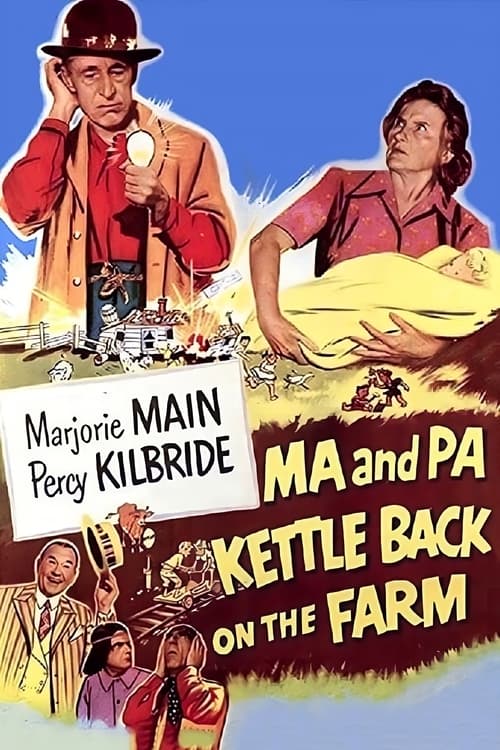
1951
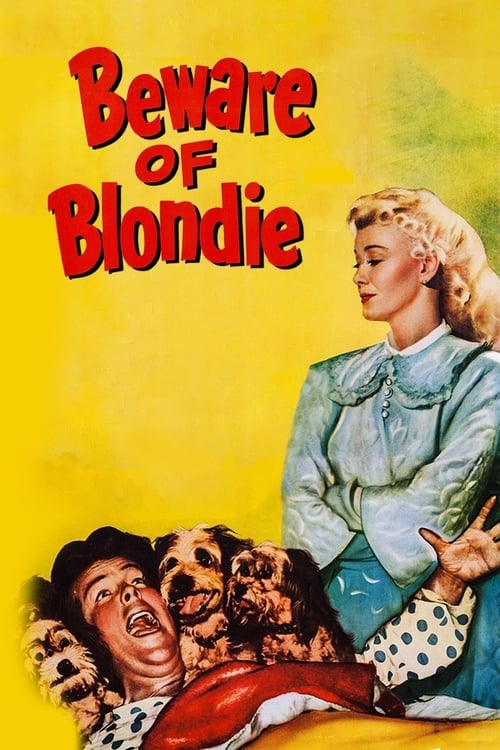
1950
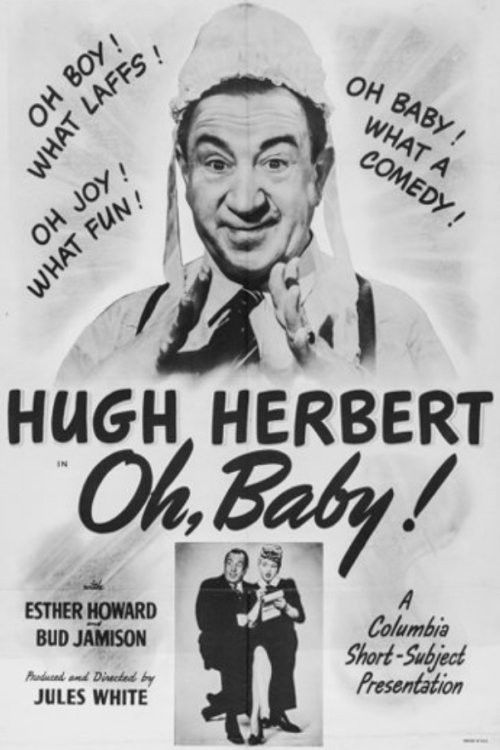
1944
1940
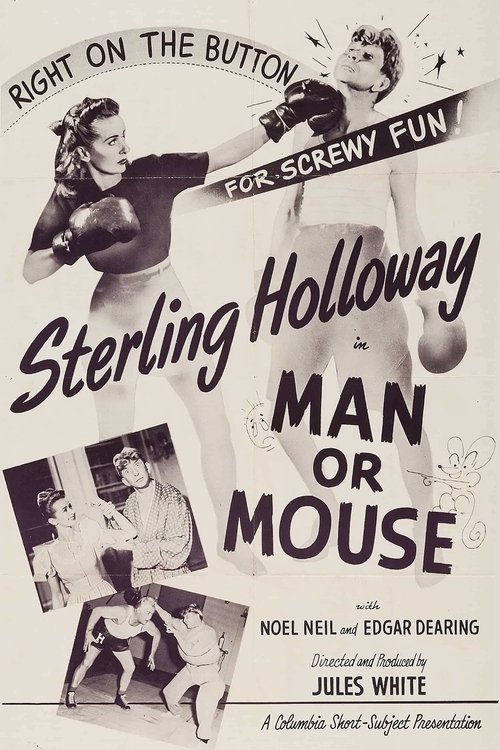
1948
1945
1936
No reviews yet. Be the first to share your thoughts on this movie!
Use the rating form above to leave a star rating and optional review.