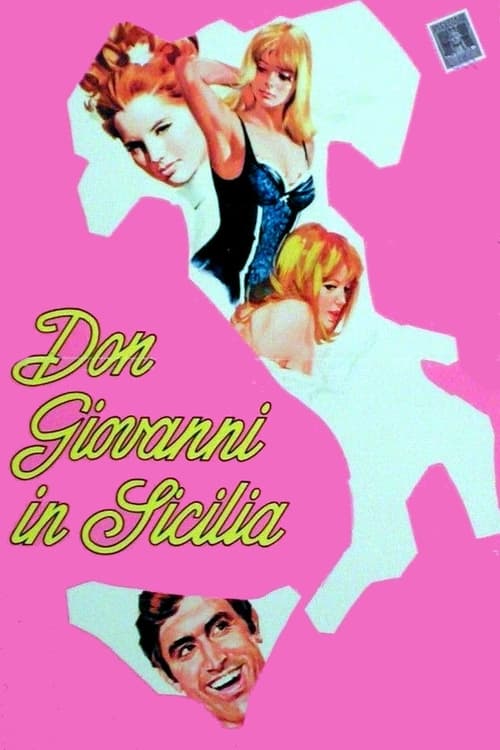
Don Juan in Sicily
1967
No user ratings available yet
Representation score: 3.1 out of 10
Representation Score
Minimal
1980
Director
Pipolo, Franco Castellano
Runtime
104 minutes
Average Rating
No ratings yetNew Showbiz Analysis
The film is a period-specific comedy that adheres to traditional social and gender hierarchies. It relies on conventional romantic clichés rather than challenging systemic power dynamics or offering diverse representation. The narrative structure centers around a male lead's transformation, reinforcing traditional roles. The production context suggests a lack of racial and ethnic diversity typical of Italian cinema from that era. Ultimately, the work functions as a conventional comedy that prioritizes individual character arcs over broader social or cultural disruptions.
Category Breakdown
The film does not include any characters with LGBTQ+ identities. It follows a traditional romantic comedy format that doesn't address queer experiences or challenge the assumption that everyone is straight.
The story focuses on a male character who undergoes a transformation, driven by a female character. This reinforces traditional gender roles through a common 'taming' cliché.
Reflecting the demographics of 1980s Italian comedy, the film lacks significant racial or ethnic diversity. The narrative follows typical European casting practices of the time.
The narrative is grounded in traditional social structures and Western values. It emphasizes individual character development within a conventional social order without addressing broader systemic issues.
The film does not feature any characters with visible or invisible disabilities. There is no mention of neurodivergence or physical disabilities in the synopsis.
Present on Screen
Limited or Absent
Official Synopsis
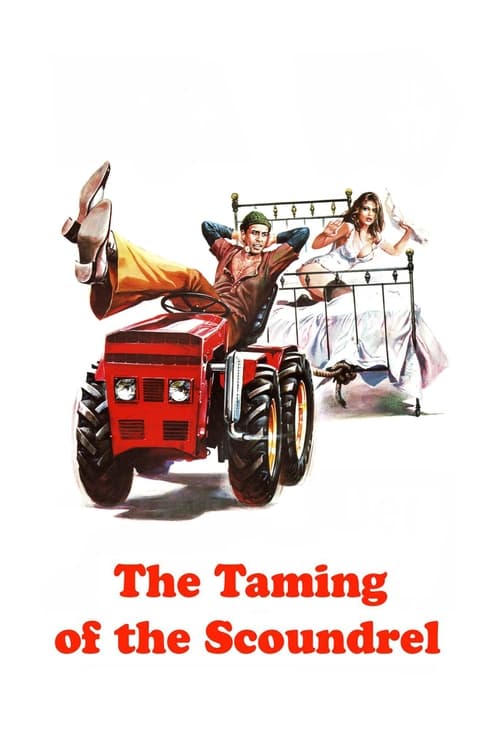
A rich farmer is well known for being very unkind. He's misanthropic, misogynous and cantankerous. Until he meets by chance a gorgeous girl...
1967
1981

1982

1980

1950
1967

1988

1961
No reviews yet. Be the first to share your thoughts on this movie!
Use the rating form above to leave a star rating and optional review.