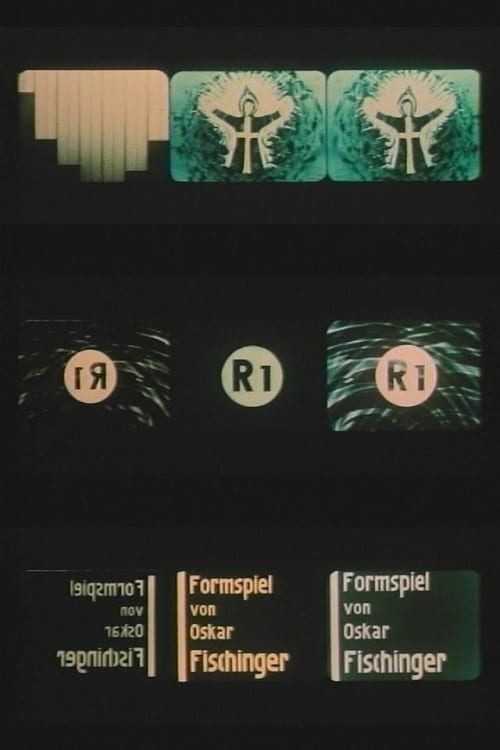
R-1
1927
No user ratings available yet
Representation score: 0.6 out of 10
No Poster Available
Representation Score
Minimal
1931
Director
Oskar Fischinger
Runtime
3 minutes
Average Rating
No ratings yetNew Showbiz Analysis
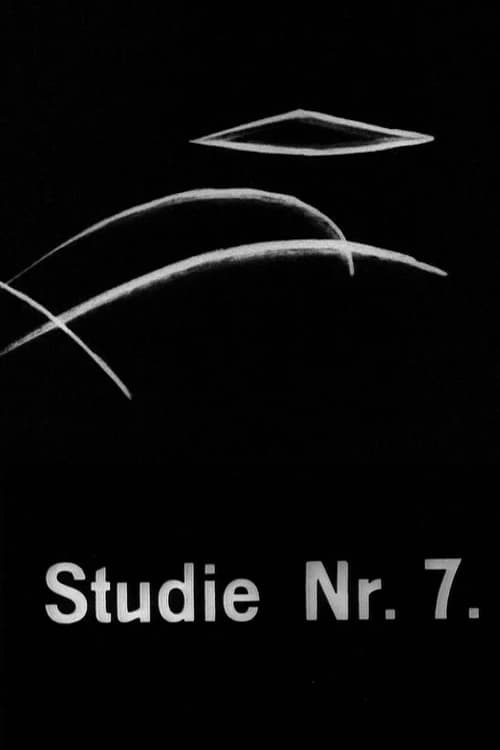
Study No. 9 is a pure exercise in visual music and non-objective abstraction. Because the film eschews traditional narrative and character arcs in favor of rhythmic, geometric movement, it lacks the human-centric markers necessary for identity-based analysis. The low diversity score is a functional byproduct of the medium rather than an indication of harmful clichés. The film operates within a formalist framework where mathematical and rhythmic principles replace social or identity-based frameworks. Ultimately, the work is a seminal piece of avant-garde animation that focuses on sensory experience, making the concept of characters who reflect more than one aspect of diversity inapplicable to its abstract structure.
Category Breakdown
The film consists entirely of abstract geometric forms. Without characters or interpersonal dynamics, there is no presence of LGBTQ+ identity.
The work lacks human figures. This absence prevents any depiction of gendered ability to act, hierarchy, or social roles.
The visual field is composed of non-representational shapes and colors. No ethnic or racial signifiers are present.
The film aligns with a secular, modernist aesthetic by prioritizing sensory experience over traditional storytelling. It lacks specific thematic content regarding social institutions.
There are no characters or sentient beings depicted. Consequently, no physical or neurodivergent identities are represented.
Present on Screen
Limited or Absent
Official Synopsis
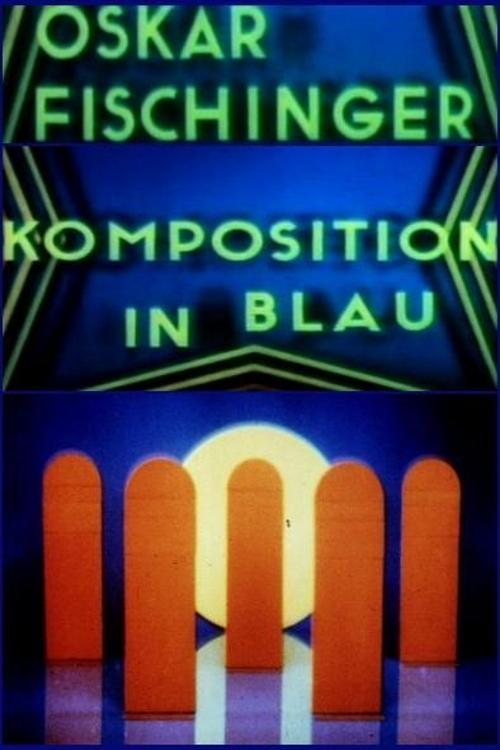
An experimental short from Oskar Fischinger
1927
1942
1931
1933
1930
1935

1942
1926
No reviews yet. Be the first to share your thoughts on this movie!
Use the rating form above to leave a star rating and optional review.