May Days
1978
No user ratings available yet
Diversity score: 5.1 out of 10
1972
Director
Giovanni Bonfanti, Pier Paolo Pasolini
Runtime
42 minutes
Average Rating
No ratings yetSynopsis
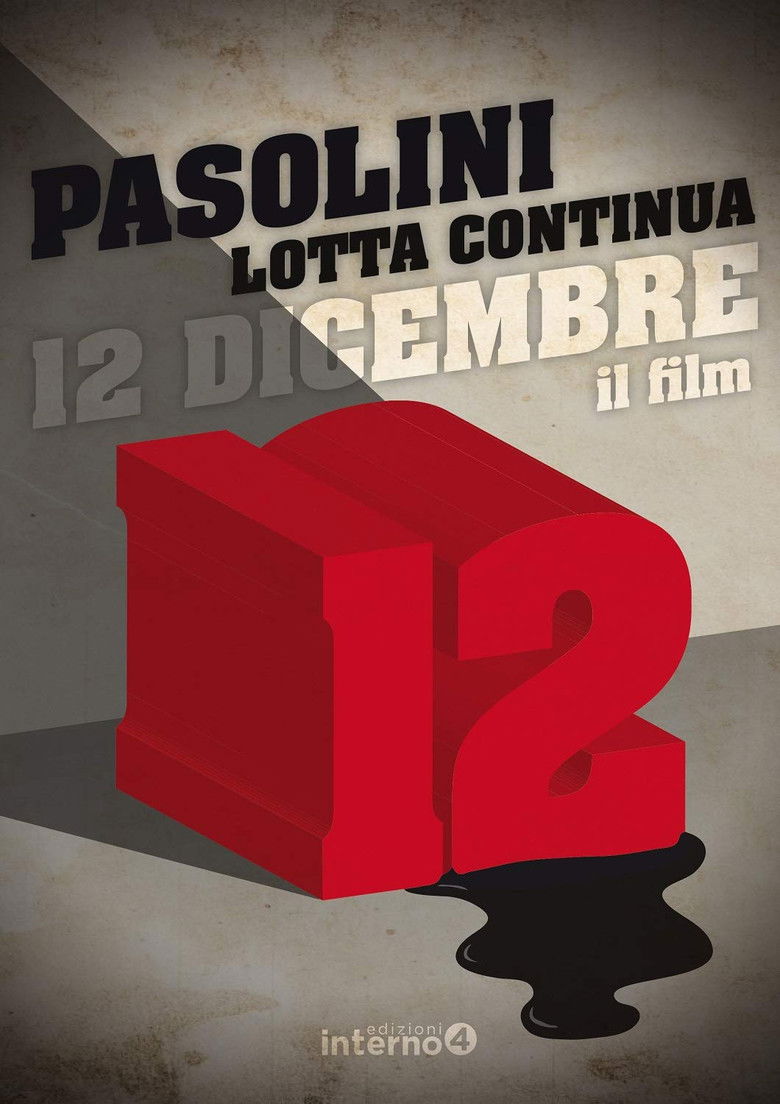
On December 12th, 1969 a bomb went off at the Piazza Fontana in Milan that killed 16 people and injured 84. Railway worker and anarchist activist Giuseppe Pinelli was picked up, along with other anarchists, for questioning regarding the attack. He was held and interrogated for three days, longer than Italian law specified that people could be held without seeing a judge. Just before midnight on December 15, 1969 Pinelli was seen to fall to his death from a fourth floor window of the Milan police station. Although officially deemed a suicide, the reporter who watched the fall from the street maintained that he was pushed. Three police officers interrogating Pinelli were put under investigation in 1971 for murder but charges were dropped because of lack of evidence.
Overall Score
Fair
Category Breakdown
LGBTQ+ Representation
The film focuses on political tragedy rather than identity-driven narratives. However, Pasolini’s involvement introduces a subtext of non-conformity that critiques heteronormative, state-sanctioned social structures.
Gender Representation
The narrative centers on the male-dominated anarchist movement and the state's response. Political agency is framed through a masculine lens, reflecting the historical context of the era.
Racial & Ethnic Diversity
This is a localized study of Italian political history and class struggle. It focuses on the proletariat and marginalized working class rather than a multi-ethnic cast.
Religious & Cultural Diversity
The film excels at critiquing Western institutions by documenting the interrogation and death of Giuseppe Pinelli. It disrupts the perceived legitimacy of the state and legal systems.
Disability Representation
There is no significant evidence of disability representation. The focus remains strictly on the political and physical trauma resulting from state interrogation and Pinelli's fatal fall.
Strengths
Areas for Improvement
AI Analysis
This documentary serves as a potent critique of institutional power and state authority. By centering on the death of Giuseppe Pinelli following the Piazza Fontana bombing, the film prioritizes the truth of the victim over official state narratives. While the film lacks broad demographic diversity, its strength lies in its subversion of established social hierarchies. The involvement of Pier Paolo Pasolini ensures a narrative that challenges systemic oppression and the legitimacy of the police and legal systems. Ultimately, the work functions as a study of class struggle and the individual's fight against an oppressive state, making it a significant piece of political cinema.
1978

2021
2020
2020
1994
1994
1974

1968
1981
2012
1987
2018
No reviews yet. Be the first to share your thoughts on this movie!
Use the rating form above to leave a star rating and optional review.