
Baltimore Rising
2017
No user ratings available yet
Representation score: 8.8 out of 10
Representation Score
Excellent
2020
RDirector
Ajax Phillips, Daniel Joseph Watkins
Runtime
90 minutes
Average Rating
No ratings yetNew Showbiz Analysis
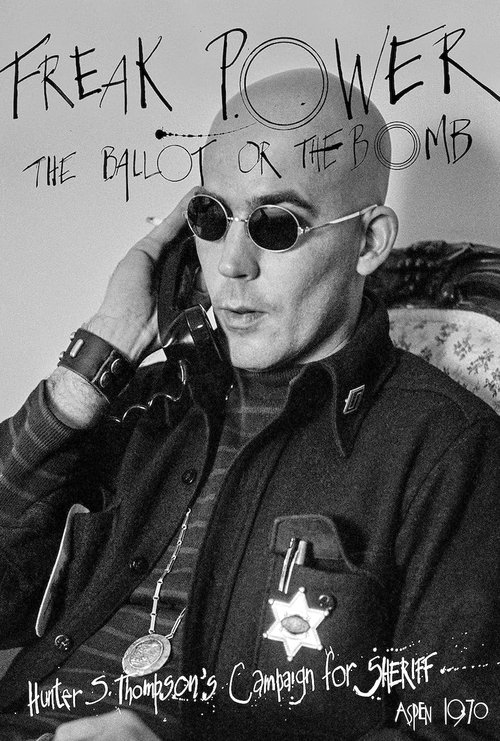
Freak Power: The Ballot or the Bomb serves as a sophisticated historical critique of institutional power. It succeeds by deconstructing traditional hierarchies and centering anti-establishment narratives through archival storytelling. The film's strength lies in its cultural critique and its ability to highlight women and LGBTQ+ individuals within the context of radical social movements. However, the documentary is limited by its historical focus, resulting in lower representation of racial diversity and specific disability-centric narratives.
Category Breakdown
The film uses archival footage to illustrate how queer liberation movements intersected with radical political activism during a time of social upheaval. It highlights the visibility of non-straight identities within these movements.
The narrative challenges traditional political archetypes by emphasizing women's roles in strategic influence. It showcases their involvement in grassroots mobilization and environmental movements.
The film focuses heavily on the localized struggles of Hunter S. Thompson and specific political landscapes from the 1960s and 1980s. It lacks explicit evidence of actively leading characters of color.
The documentary excels at critiquing Western institutions and capitalism. It frames anti-establishment activism and civil disobedience as necessary tools for political action and systemic disruption.
The film touches on the physical realities of civil unrest but lacks specific narrative drivers regarding neurodivergence or physical disabilities. It prioritizes political identity over disability-centric arcs.
Present on Screen
Limited or Absent
Official Synopsis
Hunter S. Thompson went to the 1968 Democratic Convention in Chicago as a journalist and returned home disgusted, yet motivated by what he’d just seen: violently suppressed protests, riots, corrupt politicians, and abusive cops. Back in Aspen, he finds more of the same. The local police and sheriff’s departments are targeting young people, harassing and charging them with absurd crimes and trying to push them out of town. Hunter decides he has to do something to change the police brutality that has become the norm.
2017
2002
2017
2012
2017
2015
1968
2017
No reviews yet. Be the first to share your thoughts on this movie!
Use the rating form above to leave a star rating and optional review.