
The Last Judgement
1987
No user ratings available yet
Representation score: 4.5 out of 10
Representation Score
Fair
1987
Director
Paul Hamann
Runtime
87 minutes
Average Rating
No ratings yetNew Showbiz Analysis
Fourteen Days in May primarily serves as a critique of institutional justice. It highlights the human cost of legal mistakes and the struggle of an individual against a flawed state apparatus. The narrative structure emphasizes legal and systemic complexities rather than diverse social identities. While the film offers a progressive look into the fallibility of the law, it does not explicitly address LGBTQ+ or gender-based subversion.
Category Breakdown
The film does not include any LGBTQ+ characters or themes. Instead, it focuses on the legal struggle and the personal impact of the death penalty.
The story revolves around a male protagonist within a male-dominated prison and legal system. Family members appear, but there is no clear challenge to traditional gender roles.
The film addresses systemic judicial issues, particularly the fallibility of institutions. This often touches on racial justice frameworks.
The documentary criticizes Western judicial systems by highlighting potential corruption within the legal system. It questions the idea of infallible state-sanctioned justice.
The film does not feature any characters with visible or invisible disabilities. There is no mention of neurodivergence or mental health issues.
Present on Screen
Limited or Absent
Official Synopsis
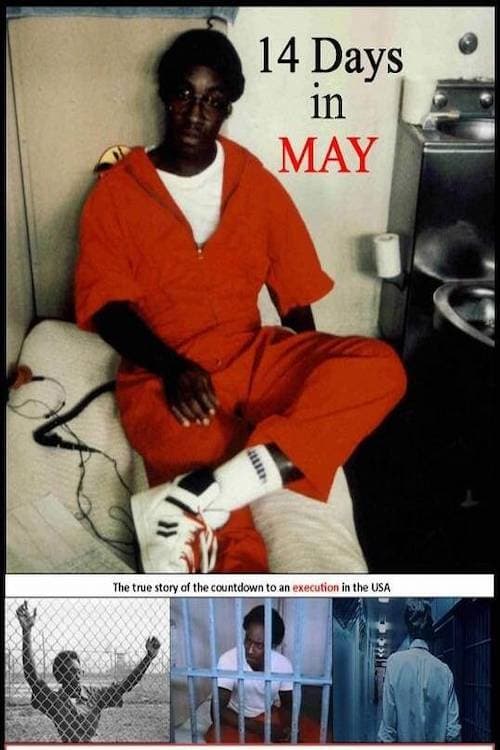
A camera crew follows Edward Earl Johnson, a man falsely convicted of rape and murder, during his last 14 days on death row. Everyone involved is interviewed, Johnson himself, his family, the warden, prison guards and other inmates. We also witness the futile attempts by his attorney to save his life.
1987
2012

1998
2015

2017

2020

2015

2012
No reviews yet. Be the first to share your thoughts on this movie!
Use the rating form above to leave a star rating and optional review.