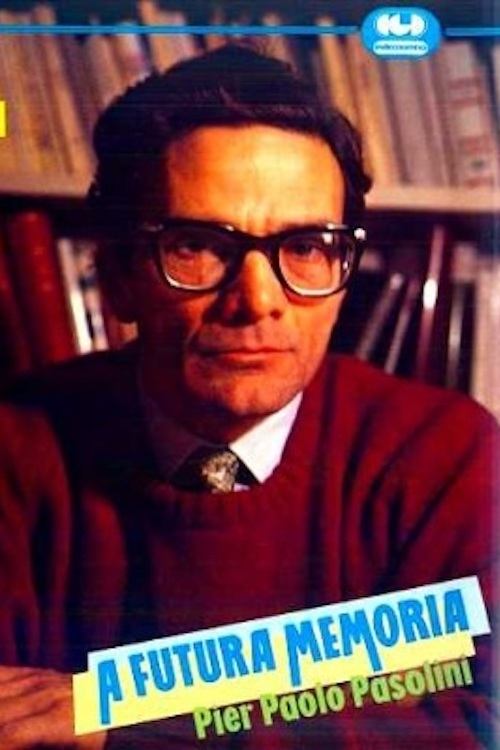
A futura memoria: Pier Paolo Pasolini
1985
No user ratings available yet
Representation score: 7.0 out of 10
Representation Score
Good
1981
Director
Philo Bregstein
Runtime
60 minutes
Average Rating
No ratings yetNew Showbiz Analysis
This documentary serves as a sophisticated study of the individual versus the collective. It succeeds by focusing on a life defined by the disruption of traditional social and sexual norms, using Pasolini's biography to critique mid-20th-century Western institutions. The film's strength lies in its thematic depth, particularly regarding the consequences of challenging systemic power. It effectively uses poetry and film clips to illustrate the tension between an artist and the status quo. However, the scope is naturally limited by its biographical focus on a specific Italian intellectual. This restricts the breadth of racial and gender diversity, keeping the perspective rooted in a specific historical and male-centric era.
Category Breakdown
The film focuses on Pier Paolo Pasolini, a prominent queer intellectual. It examines how his non-straight identity influenced both his artistic success and his social persecution.
Gender roles are explored through Pasolini’s cinematic work and interviews with figures such as Laura Betti. The narrative primarily centers on male-dominated intellectual and cinematic spaces.
Diversity is limited by the specific historical context of Italy. However, the film analyzes Pasolini's casting choices in works like 'The Gospel According to St. Matthew' to engage with cultural archetypes.
The documentary excels at critiquing traditional institutions like the church and state. It highlights the struggle of an individual against dogmatic truths and systemic oppression.
There is no significant portrayal of physical or neurodivergent disabilities within the narrative.
Present on Screen
Limited or Absent
Official Synopsis
Philo Bregstein tells us this film looks at Pasolini's life and art to explain why he died. The film traces Pasolini's life chronologically - family roots, hiding during World War II, teaching, moving to Rome, being arrested and acquitted many times, publishing poems, getting into film, being provocative, and being murdered. Interviews with Alberto Moravia, Laura Betti, Maria Antonietta Macciocch, and Bernard Bertolucci are inter-cut with readings of Pasolini's poems and with clips from four films - primarily the Gospel According to St. Matthew - to illustrate his changing ideas and points of view. Bregstein makes a case for Pasolini's being lynched.
1985
1965
2020
2012
2008
2006
2000
2025
No reviews yet. Be the first to share your thoughts on this movie!
Use the rating form above to leave a star rating and optional review.