
Actua 1
1968
No user ratings available yet
Representation score: 6.1 out of 10
Representation Score
Good
1978
Director
William Klein
Runtime
97 minutes
Average Rating
No ratings yetNew Showbiz Analysis
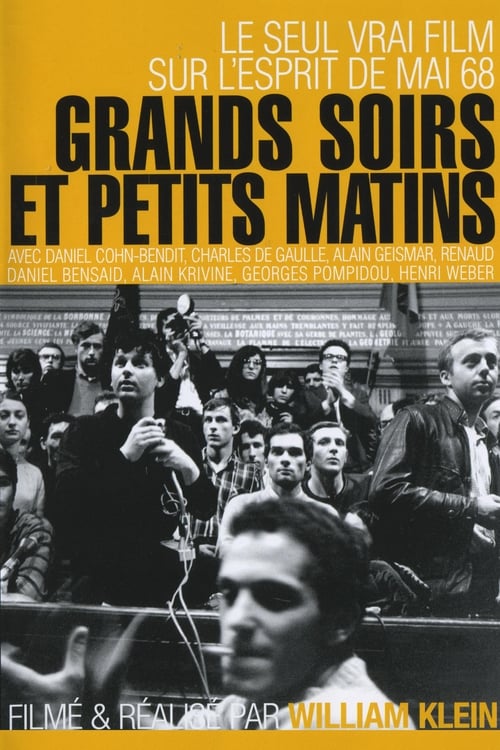
William Klein’s documentary captures the intense friction of the May 1968 Paris student riots. The film’s strength lies in its cultural critique, effectively documenting the deconstruction of state and educational institutions. However, the film’s scope is geographically and demographically narrow, limiting the visibility of diverse racial and LGBTQ+ identities. Ultimately, while the film lacks specific demographic breadth, it provides significant progressive value by challenging traditional Western social structures and institutional stability.
Category Breakdown
The film does not specifically highlight non-assuming gender matches what was assigned at birth gender expressions, focusing instead on broader class and student identities during the political movement.
Women in the film are shown to challenge the era's domestic femininity through grassroots political participation, disrupting traditional hierarchies and taking a leading role in the movement.
The visual record focuses on the localized struggle of the French student body, which results in a more homogeneous demographic and limits the visibility of diverse racial backgrounds.
The film excels in its critique of traditional Western institutions and organized authority, capturing the deconstruction of social norms and anti-establishment sentiments.
Individuals with disabilities appear in the film as passive participants in the chaos, lacking specific roles or ability to act in the events.
Present on Screen
Limited or Absent
Official Synopsis
Filmmaker William Klein documents the Paris student riots that occurred in May of 1968.
1968

1961

1968

2015

1969
1968
1990
1963
No reviews yet. Be the first to share your thoughts on this movie!
Use the rating form above to leave a star rating and optional review.