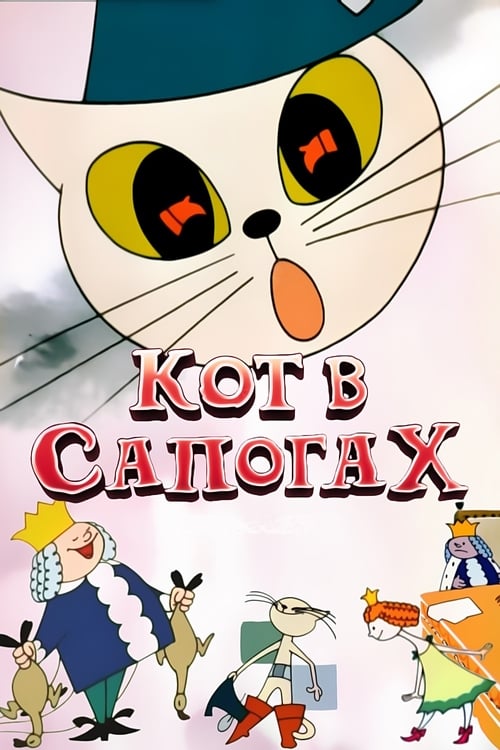
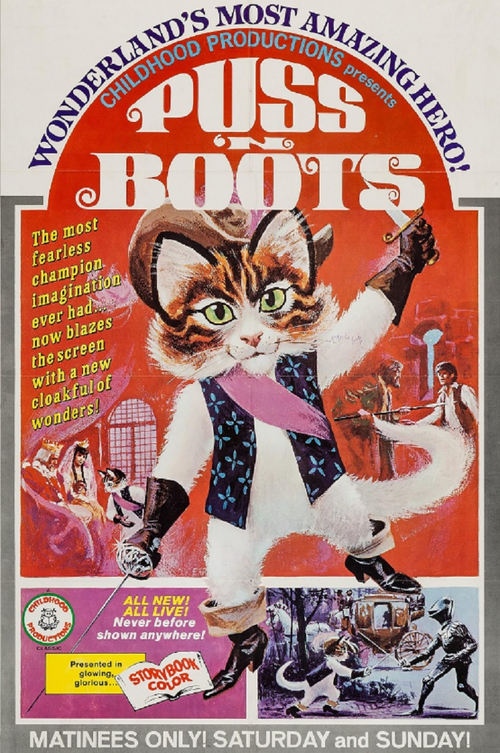
Puss in Boots
1968
No user ratings available yet
Representation score: 1.2 out of 10
Representation Score
Minimal
1955
Director
Herbert B. Fredersdorf
Runtime
64 minutes
Average Rating
No ratings yetNew Showbiz Analysis
Puss 'n Boots (1955) is a classic example of mid-century European family cinema that prioritizes traditional folklore clichés. The narrative follows a standard inheritance arc, focusing on a young man's rise through magical intervention. The film maintains the status quo of its era, centering on masculine ability to act and conventional social hierarchies. It functions as a straightforward adaptation of Perrault's source material without attempting to subvert established norms. Ultimately, the production offers a homogeneous experience that reflects the demographic and cultural expectations of 1955 West German cinema.
Category Breakdown
The film follows a traditional fairy-tale structure and does not include non-cisgender gender identities or critiques of the assumption that everyone is straight or cisgender.
The story is driven by a male protagonist and a male-coded magical cat, reinforcing traditional patriarchal structures of inheritance and masculine advancement.
As a mid-century European production, the setting reflects a homogeneous Western European demographic. The narrative lacks diverse ethnic identities or race-bent casting.
The film operates within the framework of traditional Western folklore. It celebrates resourcefulness within an established social order rather than deconstructing Western institutions.
There is no evidence regarding the inclusion of characters with physical, sensory, or neurodivergent disabilities.
Present on Screen
Limited or Absent
Official Synopsis
Following the death of their miller father, his eldest son inherits the mill, the middle one a donkey, and the youngest a cat. While initially disappointed, the lad soon learns not only that the cat can talk but is quite resourceful.
1968
1950
1955

1959
1988
1915
1956
1918
No reviews yet. Be the first to share your thoughts on this movie!
Use the rating form above to leave a star rating and optional review.