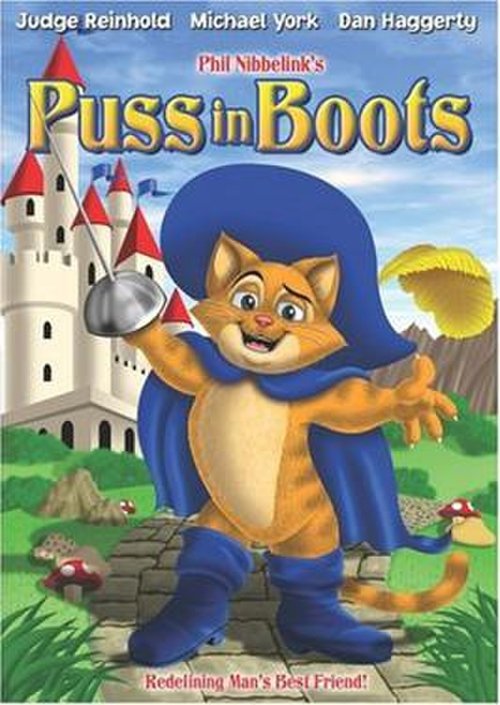
Puss in Boots
1968
No user ratings available yet
Representation score: 1.2 out of 10
Representation Score
Limited
1988
GDirector
Eugene Marner
Runtime
96 minutes
Average Rating
No ratings yetNew Showbiz Analysis
Puss in Boots (1988) strictly adheres to classical Western fairy tale structures. The narrative emphasizes a traditional family hierarchy, focusing on the inheritance and resourcefulness of male characters. Because the film relies on established folklore archetypes, it fails to explore the complexities of multiple identities or social hierarchies. The storytelling remains neutral, following conventional patterns without offering progressive social commentary.
Category Breakdown
The story centers around a traditional brotherly relationship among three brothers. There is no visible evidence of non-straight relationships or queer undertones.
Control over the story is primarily held by male characters, both sons and a father. Female characters have minimal presence and play a minor role in the narrative.
The film uses classic European folklore archetypes. There is no indication of a diverse cast or non-human symbols representing racial identities.
The plot follows traditional Western folklore clichés and moral structures. It lacks any critique of Western institutions or diverse cultural perspectives.
The narrative contains no visible or hidden disabilities. No characters are shown with specific accessibility needs or impairments.
Present on Screen
Limited or Absent
Official Synopsis
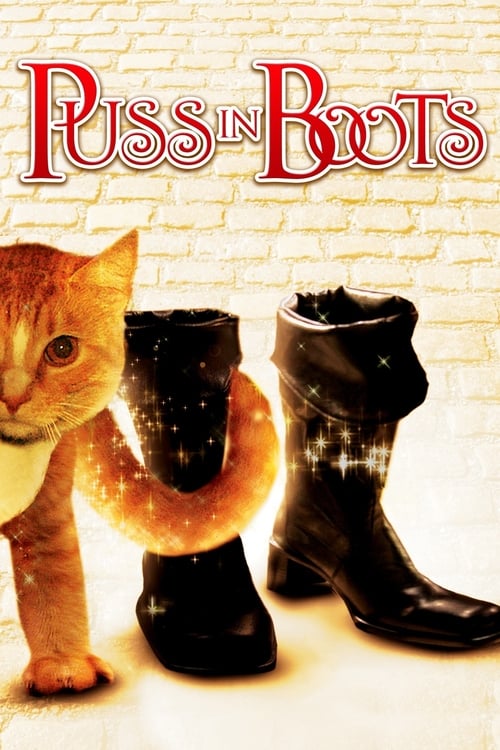
Following the death of their miller father, his eldest son inherits the mill, the middle one a donkey, and the youngest a cat. While initially disappointed, the lad soon learns not only that the cat can talk but is quite resourceful.
1968
1955

1965
1971
1999
No reviews yet. Be the first to share your thoughts on this movie!
Use the rating form above to leave a star rating and optional review.