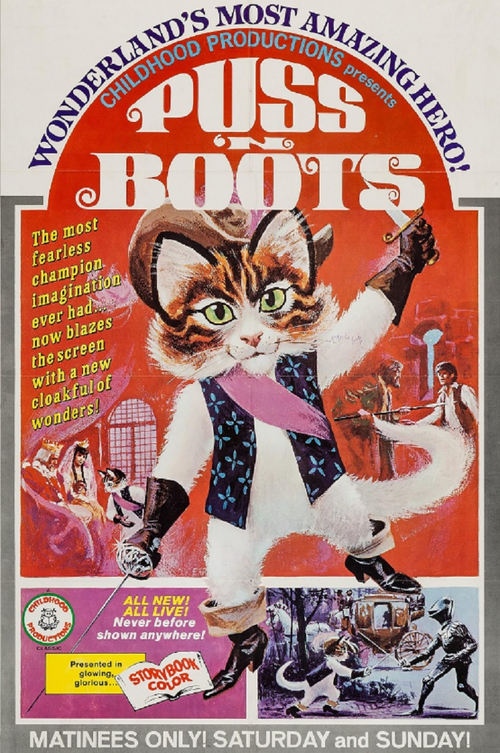
Puss 'n Boots
1955
No user ratings available yet
Representation score: 0.4 out of 10
Representation Score
Minimal
1968
Director
Valentina Brumberg, Zinaida Brumberg
Runtime
18 minutes
Average Rating
No ratings yetNew Showbiz Analysis
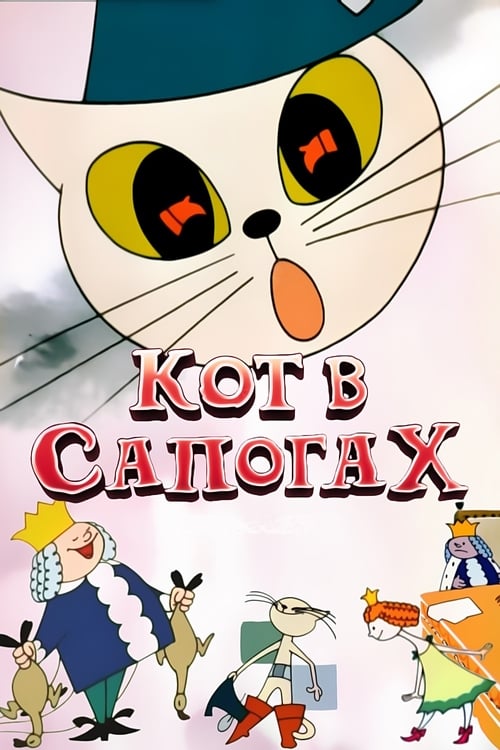
This 1968 Soviet animation by the Brumberg sisters is a technically masterful work of folkloric storytelling. However, it operates within a traditional framework that prioritizes established fairy tale clichés over modern complexities. The narrative focuses on male achievement and social mobility. While the cat plays a significant role, the broader social structures and character dynamics remain rooted in conventional, homogeneous depictions of medieval Europe. Ultimately, the film serves as a standard morality tale of cleverness and survival. It lacks the diverse perspectives or systemic critiques necessary to challenge traditional social hierarchies.
Category Breakdown
There are no LGBTQ+ characters or narratives in the film. It follows a traditional fairy tale structure centered around a male protagonist.
Male characters, particularly the youngest son and the cat, play significant roles in driving the story. The narrative upholds traditional folkloric gender roles without challenging them.
The film is set in a medieval European landscape and maintains a homogeneous appearance. There is no representation of diverse ethnic groups or racial blending.
The story follows a classic rags-to-riches arc centered on individual resourcefulness. It avoids modern capitalist clichés but does not provide a deep critique of social systems.
No visible or invisible disabilities are portrayed as central to the character arcs. Characters' ability to act is driven by wit rather than dealing with disabilities.
Present on Screen
Limited or Absent
Official Synopsis
Following the death of their miller father, his eldest son inherits the mill, the middle one a donkey, and the youngest a cat. While initially disappointed, the lad soon learns not only that the cat can talk but is quite resourceful.
1955
1980
1988
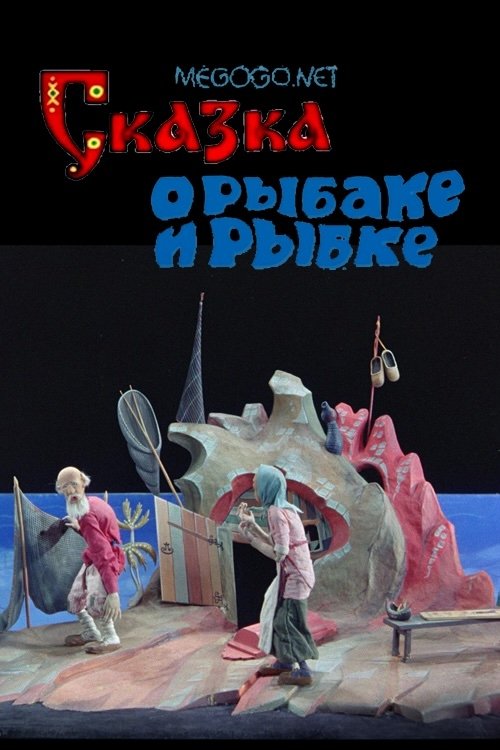
1937
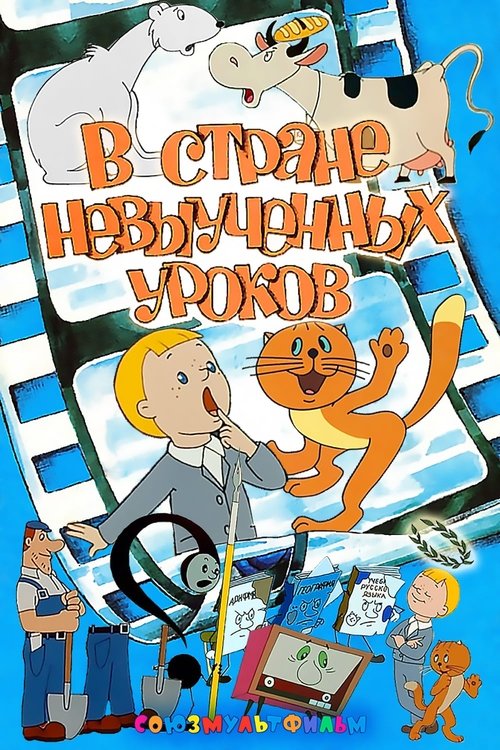
1969
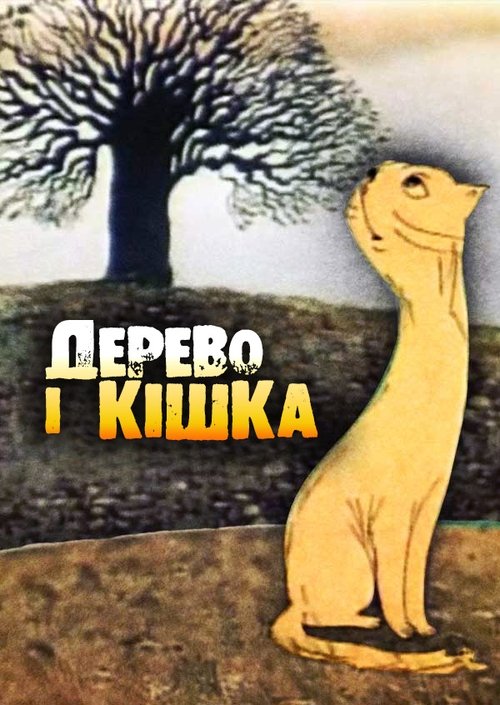
1983
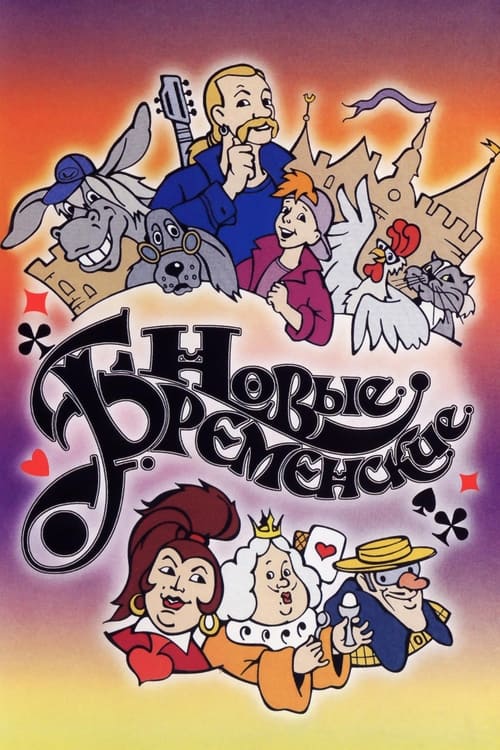
2000
1949
No reviews yet. Be the first to share your thoughts on this movie!
Use the rating form above to leave a star rating and optional review.