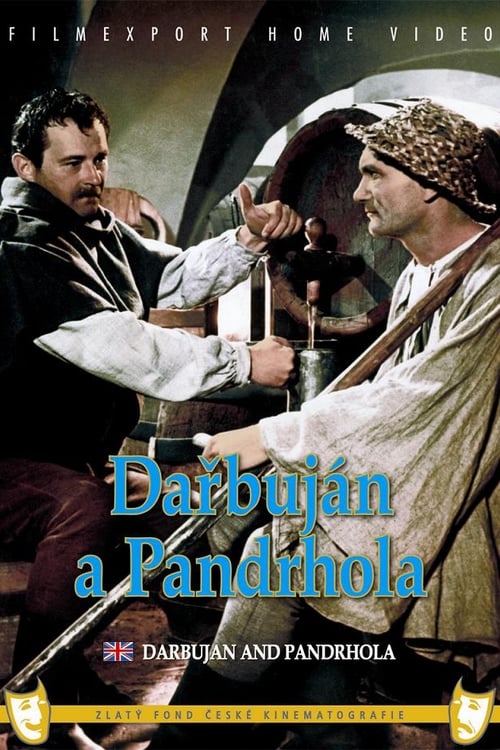
Darbujan and Pandrhola
1960
No user ratings available yet
Representation score: 2.4 out of 10
Representation Score
Limited
1956
Director
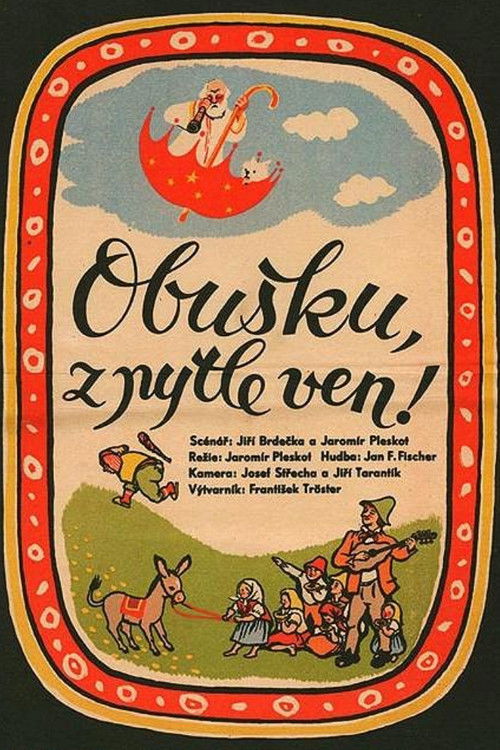
Jaromír Pleskot
Runtime
70 minutes
Average Rating
No ratings yetNew Showbiz Analysis
Baton Out of the Bag is a mid-century Czechoslovak fable that prioritizes class-based morality over modern diversity. Its strength lies in its social commentary, using folklore to critique greed and the accumulation of wealth. However, the film remains rooted in the era's social norms. It lacks diversity in terms of gender, race, and LGBTQ+ identities, focusing instead on traditional character archetypes. Ultimately, the film functions as a critique of systemic inequity rather than a study of diverse identities, making it a culturally specific piece of social commentary.
Category Breakdown
The film follows a traditional folk fable structure and does not depict any non-traditional gender identities or same-sex relationships.
The story centers on a male musician and a male antagonist, and there are no explicit depictions of women's ability to drive the story or challenges to traditional gender roles.
As a 1956 Czechoslovak production, the film reflects the homogeneous ethnic landscape of its time, with no indication of a multi-ethnic cast.
The film critiques capitalist structures by framing greed as a moral failing. It uses magical realism to challenge economic hierarchies and celebrate resource sharing.
There is no documented evidence regarding the portrayal of physical or neurodivergent disabilities in this work.
Present on Screen
Limited or Absent
Official Synopsis
A poor musician with a good heart, as a reward for sharing even the last piece of bread despite being hungry himself, is rewarded with a miraculous napkin on which the best delicacies appear. However, a greedy innkeeper steals it from him along with a miraculous donkey from which ducats are pouring...
1960

1997

1986
1999
1983

1996
1989
2018
No reviews yet. Be the first to share your thoughts on this movie!
Use the rating form above to leave a star rating and optional review.