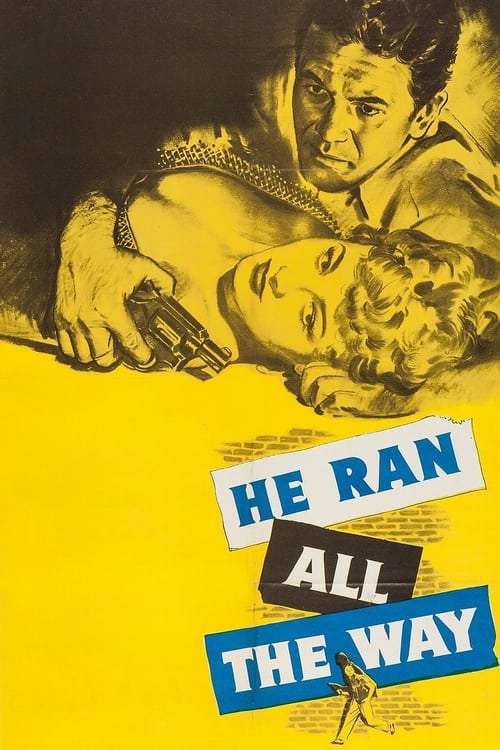
He Ran All the Way
1951
No user ratings available yet
Representation score: 1.4 out of 10

Representation Score
Limited
1964
NRDirector
René Clément
Runtime
97 minutes
Average Rating
No ratings yetNew Showbiz Analysis
Joy House is a film filled with contradictions, excelling in thematic subversion while remaining demographically narrow. It succeeds by dismantling mid-century gender hierarchies, presenting women with significant intellectual and sexual autonomy. This autonomy serves as a primary engine for the film's psychological tension. However, the film lacks breadth in its casting and social scope. The world is almost exclusively white and Eurocentric, offering no racial or ethnic diversity. Furthermore, the narrative remains strictly straight-centered, providing no space for LGBTQ+ identities. Ultimately, the film's strength lies in its cultural critique. It uses its setting to deconstruct the emptiness of the upper class and the erosion of traditional moral authority, even as it fails to represent a diverse range of human experiences.
Category Breakdown
The film follows a strictly straight-centered social structure. There is no depiction of diverse gender identities or same-sex relationships.
Female characters play a significant role in driving the story and have sexual autonomy. They operate outside traditional domestic roles and create psychological tension.
The film's setting is almost entirely homogeneous, focusing on a white, affluent European social circle. It lacks perspectives that reflect multiple aspects of identity.
The narrative provides a sophisticated critique of the bourgeoisie and capitalist leisure class. It portrays traditional Western institutions as spiritually vacant.
There is no representation of physical or neurodivergent disabilities within the narrative.
Present on Screen
Limited or Absent
Official Synopsis
A small-time con man on the run from his girlfriend's gangster husband hides out in a strange, brooding mansion run by two mysterious women, where he finds himself trapped in deception between the two.
1951

1966

1967

1950

1964

1962
1967

1960
No reviews yet. Be the first to share your thoughts on this movie!
Use the rating form above to leave a star rating and optional review.