
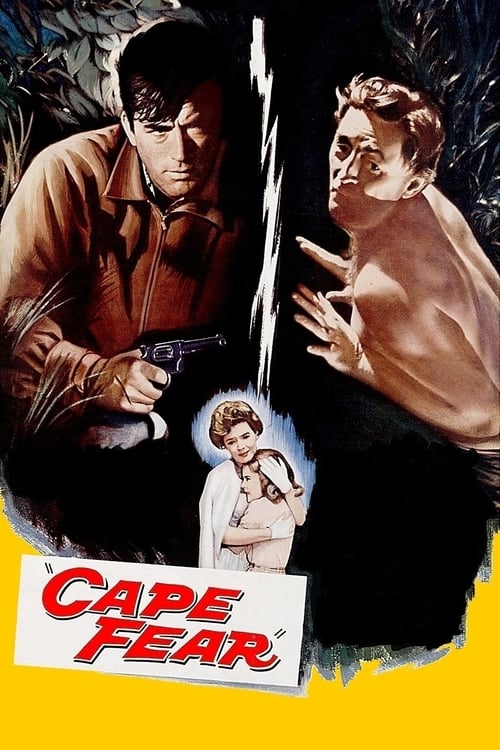
Cape Fear
1991
No user ratings available yet
Representation score: 2.4 out of 10
Representation Score
Minimal
1962
PGDirector
J. Lee Thompson
Runtime
106 minutes
Average Rating
No ratings yetNew Showbiz Analysis
Cape Fear is a period-specific psychological thriller that prioritizes the stability of Western institutional norms and the nuclear family. The narrative focuses almost exclusively on the friction between legal order and individualistic retribution, leaving little room for diverse perspectives. The film's social landscape is highly homogeneous, centering on a white, middle-class environment. While it lacks representation of diverse identities, it offers a complex look at morality through the antagonist's religious justifications. Ultimately, the film functions as a study of mid-century social structures, reinforcing traditional gender hierarchies and traditionalist casting while questioning the absolute authority of the legal system.
Category Breakdown
The film operates within a strictly heterosexual and cisgender framework. There are no depictions of queer subtext or non-cisgender identities.
The narrative tension relies on masculine archetypes, pitting a law-abiding patriarch against a primal antagonist. Ellen Bowden remains positioned within the domestic sphere with limited influence.
The setting reflects a predominantly white, middle-class American landscape. The story lacks significant racial diversity or engagement with multiple aspects of identity.
Max Cady uses a distorted religious framework to challenge legalism. This introduces moral relativism by framing his predatory actions as a form of divine justice.
There are no significant portrayals of physical or neurodivergent disabilities that serve as central character arcs or meaningful representations.
Present on Screen
Limited or Absent
Official Synopsis
Sam Bowden witnesses a rape committed by Max Cady and testifies against him. When released after 8 years in prison, Cady begins stalking Bowden and his family but is always clever enough not to violate the law.
1991
1967

1985

1983
1996
1950
1953

1986
No reviews yet. Be the first to share your thoughts on this movie!
Use the rating form above to leave a star rating and optional review.