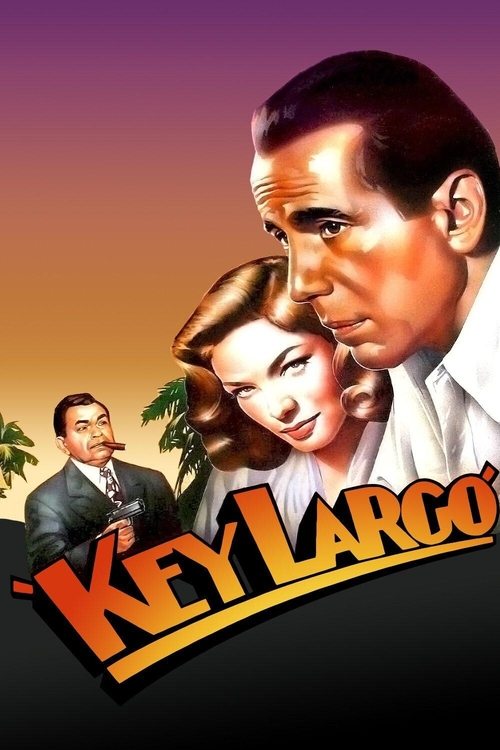
Key Largo
1948
No user ratings available yet
Representation score: 0.8 out of 10

Representation Score
Minimal
1955
ApprovedDirector
William Wyler
Runtime
112 minutes
Average Rating
No ratings yetNew Showbiz Analysis
William Wyler’s thriller is a quintessential product of the 1950s studio era, designed to uphold prevailing social hierarchies. The narrative focuses on psychological pressure within a traditional Western domestic framework, offering little room for diverse perspectives. The film relies on a homogeneous demographic to drive its suspense. It reinforces the era's standards of masculine leadership and feminine domesticity rather than challenging these roles. Ultimately, the work captures mid-century social norms. It prioritizes the preservation of the nuclear family and traditional order over any meaningful representation of diverse identities or systemic critiques.
Category Breakdown
The film follows a strict assumption that everyone is straight or cisgender. There are no depictions of non-binary or LGBTQ+ identities or same-sex relationships.
Gender roles follow mid-20th century norms, centering on the father as the protector. Female characters are primarily subjects of the crisis rather than active agents.
The cast is homogeneous, representing a white, middle-class demographic. It lacks characters of color with significant roles, focusing on a singular Anglo-Saxon suburban vision.
The story emphasizes Western values and the sanctity of the nuclear family. It reinforces the importance of law and order without questioning existing institutions.
There is no representation of physical, sensory, or neurodivergent disabilities. Characters are shown through a lens of standard physical capability.
Present on Screen
Limited or Absent
Official Synopsis
Escaped convicts terrorize a suburban family they're holding hostage.
1948
1947
1955

1962
2014
1967

1958
1949
No reviews yet. Be the first to share your thoughts on this movie!
Use the rating form above to leave a star rating and optional review.