
Atatürk 1881 - 1919
2023
No user ratings available yet
Representation score: 1.9 out of 10
Representation Score
Fair
2001
Director
Mohamed Khan
Runtime
166 minutes
Average Rating
No ratings yetNew Showbiz Analysis
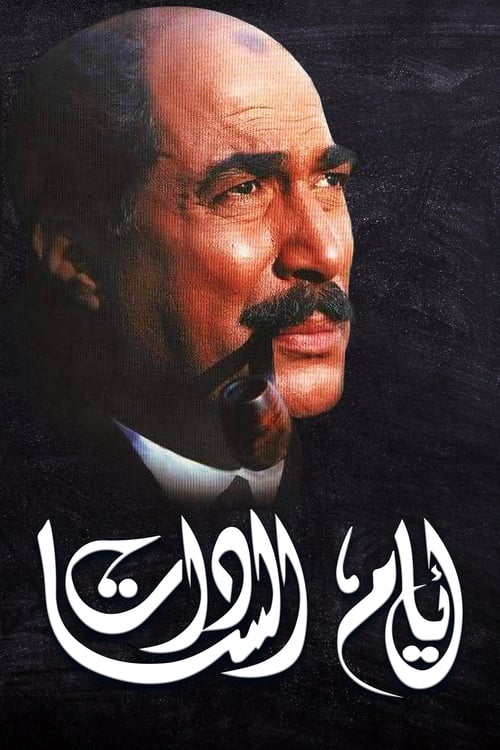
Mohamed Khan’s biopic offers a sophisticated deconstruction of Anwar Sadat, moving beyond simple hagiography to explore the complexities of power. It serves as a vital contribution to a non-Western cinematic canon by centering Middle Eastern historical ability to act. However, the film is deeply rooted in the traditional hierarchies of its era. The narrative structure is driven by masculine political and military structures, leaving little room for diverse identity representation. Ultimately, the film's value lies in its historical realism and its challenge to Western-centric storytelling rather than its engagement with social identity politics.
Category Breakdown
The film focuses on mid-20th-century political movements and statecraft. There are no LGBTQ+ characters or narratives exploring non-straight relationships.
The story emphasizes masculine leadership and patriarchal structures. Women appear in Sadat's personal life, but the main roles remain with men in political and military spheres.
The film provides a non-Western perspective by centering an Egyptian historical figure. It challenges Eurocentric dominance while staying true to Egyptian national identity.
The work explores themes of nationalism and Egyptian statehood. It delves into the complexities of political leadership within a specific cultural and religious context.
There is no indication that disability is a central theme. The focus remains on the physical vitality needed for military and political service.
Present on Screen
Limited or Absent
Official Synopsis
A biopic depicting the life of the late Egyptian president Anwar Sadat, following his early life, his political and military achievements, and his assassination during the Cairo annual victory parade.
2023
1954
2026

1937
1970
1951

2010

2017
No reviews yet. Be the first to share your thoughts on this movie!
Use the rating form above to leave a star rating and optional review.