
Veda - Atatürk
2010
No user ratings available yet
Representation score: 4.0 out of 10
Representation Score
Limited
2010
Director
Hamdi Alkan
Runtime
92 minutes
Average Rating
No ratings yetNew Showbiz Analysis
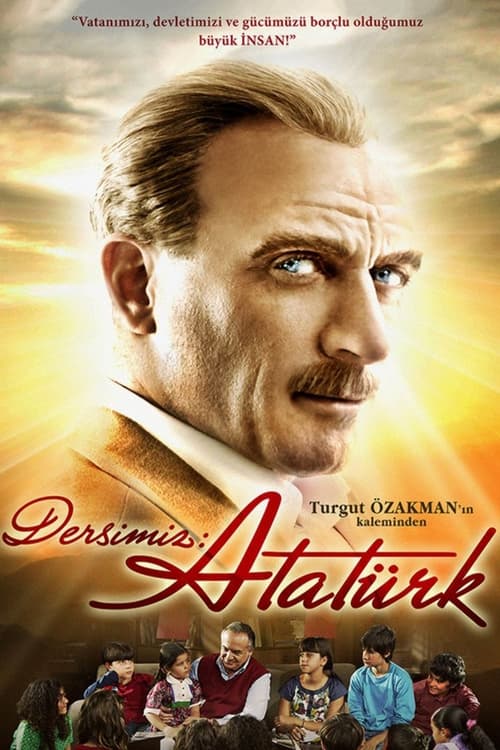
Dersimiz: Atatürk is a historical drama that uses a generational framing device to explore the formation of modern Turkey. It excels by moving beyond a monolithic view of national identity, emphasizing the tensions between centralized state reforms and regional traditions. The film's strength lies in its nuanced portrayal of ethnic and religious diversity. By focusing on the Dersim region, it provides cultural ability to act to minority groups during a period of intense systemic change. However, the film's narrow thematic focus limits its scope. It does not depict LGBTQ+ identities or disability, and its portrayal of gender remains tied to the traditional social hierarchies of the time.
Category Breakdown
The film contains no visible depiction of LGBTQ+ identities. The narrative remains strictly focused on historical state-building and traditional generational storytelling.
The film reflects early 20th-century gender roles and social structures. While Mustafa Kemal Atatürk's reforms hint at a shift towards women's empowerment, the characters' interactions still follow traditional hierarchies.
The film offers significant depth by focusing on the Alevi Kurdish community. It delves into the complexities of peripheral identities within the context of a centralizing nation-state.
The story examines the tension between secularism and traditional religious authority. It effectively highlights the conflict between state laws and local customs.
There is no discernible focus on physical, sensory, or neurodivergent representation within the film's historical scope.
Present on Screen
Limited or Absent
Official Synopsis
Tarihci Dede is giving information to a couple of children about Mustafa Kemal Atatürk's success and his way to shape todays Turkey.
2010

1954
2012

2010
2014

2023
2016
2003
No reviews yet. Be the first to share your thoughts on this movie!
Use the rating form above to leave a star rating and optional review.