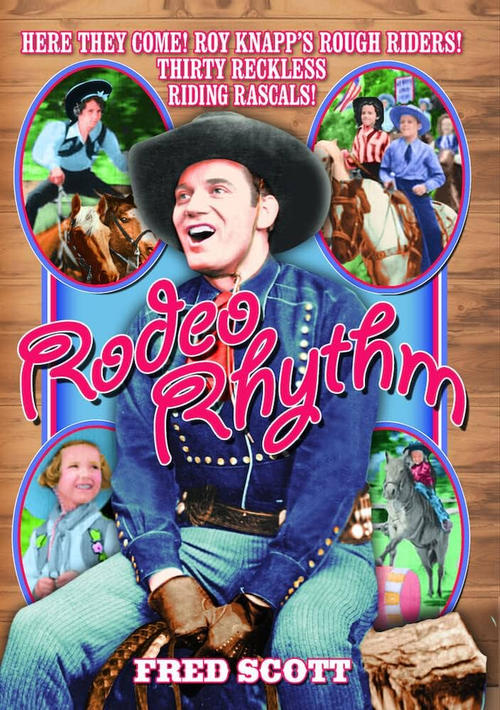
Rodeo Rhythm
1942
No user ratings available yet
Diversity score: 2.7 out of 10

1947
NRDirector
James V. Kern
Runtime
97 minutes
Average Rating
No ratings yetSynopsis
A veterinarian and a novelist compete for the heart of a lady rancher.
Overall Score
Minimal
Category Breakdown
LGBTQ+ Representation
The film focuses on a heterosexual romantic rivalry. There is no evidence of non-heteronormative identities or narratives that challenge traditional norms.
Gender Representation
A female rancher serves as the central figure and plot catalyst. However, she is positioned as a prize to be won by two competing men.
Racial & Ethnic Diversity
The narrative likely follows 1947 Western conventions, centering on Anglo-Saxon protagonists. There is no indication of significant racial diversity or intersectional casting.
Religious & Cultural Diversity
The story emphasizes traditional Western values like land ownership and professional expertise. It reinforces conventional rural social structures and individualistic romantic pursuits.
Disability Representation
The available information provides no evidence of characters with physical, sensory, or neurodivergent disabilities.
Strengths
Areas for Improvement
AI Analysis
Stallion Road is a conventional mid-century Western that adheres strictly to the genre tropes of its era. The plot centers on a romantic competition between a veterinarian and a novelist, prioritizing traditional interpersonal conflict over diverse perspectives. While the female lead possesses a degree of agency through her role as a rancher, the narrative framework treats her primarily as an object of affection. This reinforces a standard patriarchal structure common to 1947 cinema. Ultimately, the film lacks representation across most modern diversity metrics. It functions as a period-typical drama that reinforces established social hierarchies and heteronormative romantic archetypes.
1942
1920

1956

1961

1958

1953

1979

1953
1925
1935

1950
1958
No reviews yet. Be the first to share your thoughts on this movie!
Use the rating form above to leave a star rating and optional review.