Wolf Song
1929
No user ratings available yet
Representation score: 1.1 out of 10
Representation Score
Minimal
1925
NRDirector
King Baggot, William S. Hart
Runtime
78 minutes
Average Rating
No ratings yetNew Showbiz Analysis
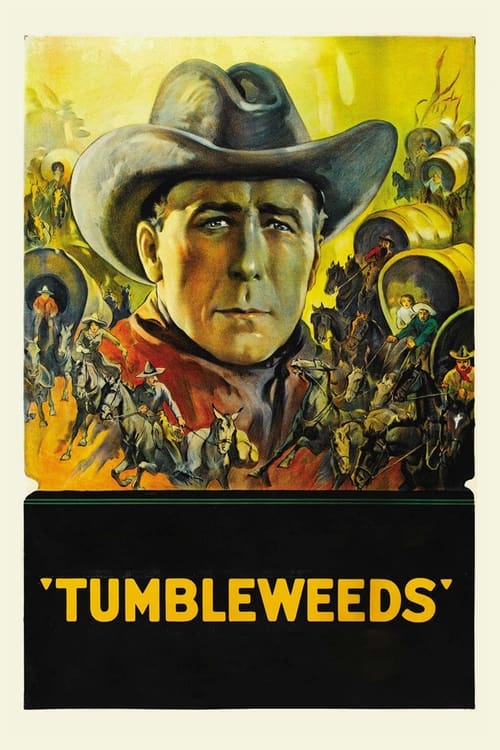
Tumbleweeds exemplifies early Western cinema, reinforcing the foundational myths of the American West. The narrative structure emphasizes individual moral redemption and rugged individualism, focusing on personal growth rather than systemic issues. The film upholds traditional social hierarchies, particularly those centered around masculine leadership and the concept of civilizing the West through expansion. It prioritizes the 'Good Bad Man' archetype, which celebrates rugged individualism and frontier justice. Overall, the film lacks complexity in addressing multiple aspects of identity. Instead, it supports established social structures without challenging or subverting gender, racial, or cultural norms of the 1920s.
Category Breakdown
The film follows traditional heterosexual relationships, focusing on a typical romance between the main character and a female lead without any queer undertones.
The narrative emphasizes the male protagonist's role as a leader and protector, reinforcing traditional masculine ideals.
The story revolves around Anglo-Saxon settlers during the Oklahoma land rush. There are no significant roles for non-white characters.
The film highlights Western expansion and frontier justice, emphasizing land ownership and the settlement of the frontier.
There is no mention of physical or neurodivergent disabilities in the film.
Present on Screen
Limited or Absent
Official Synopsis
William S. Hart stars in this 1925 silent film as a cowboy intent on claiming land during the 1889 land rush in the Oklahoma Territory. Though hardened from years of taming the new frontier, he falls in love with a beautiful woman. Before he settles down, however, he must contend with men who wish to bring him harm. In the prologue of the 1939 Astor Pictures revival of this film, Hart gives a moving eight-minute introduction-- the first and only time he appeared in a film accompanied by his striking voice.
1929
1940
1928
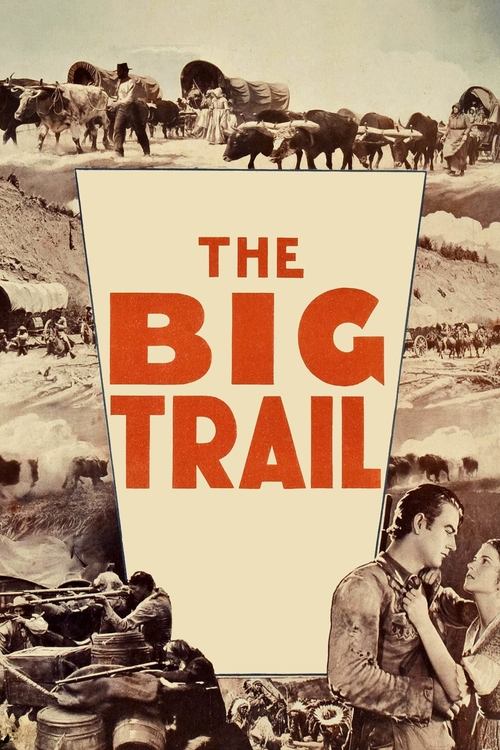
1930
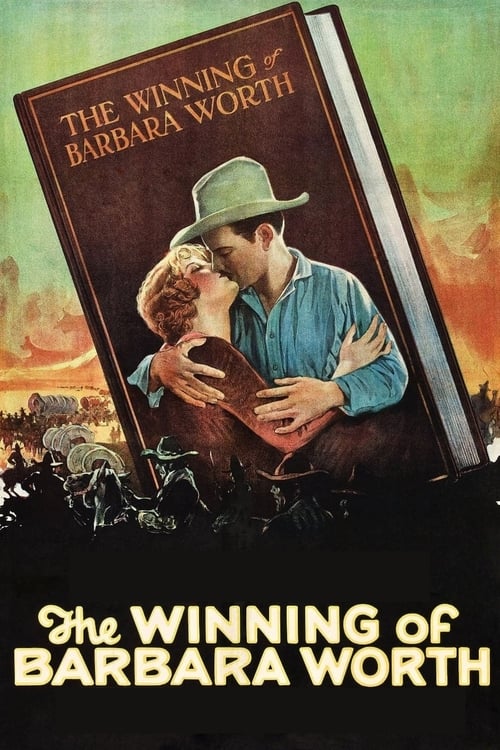
1926
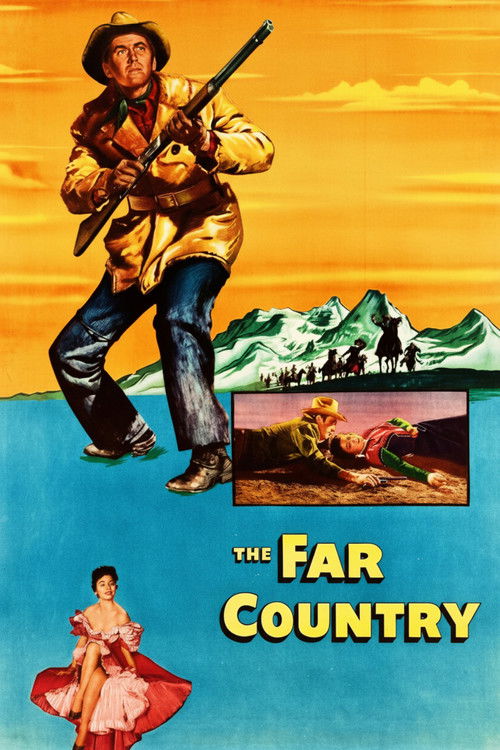
1954
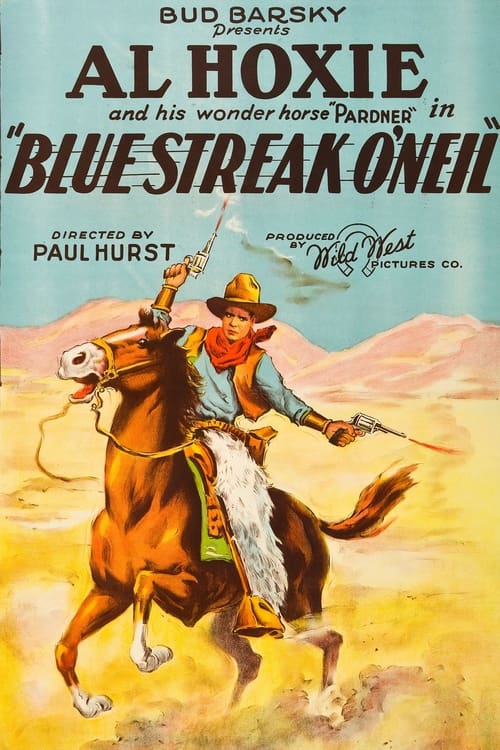
1926
1928
No reviews yet. Be the first to share your thoughts on this movie!
Use the rating form above to leave a star rating and optional review.