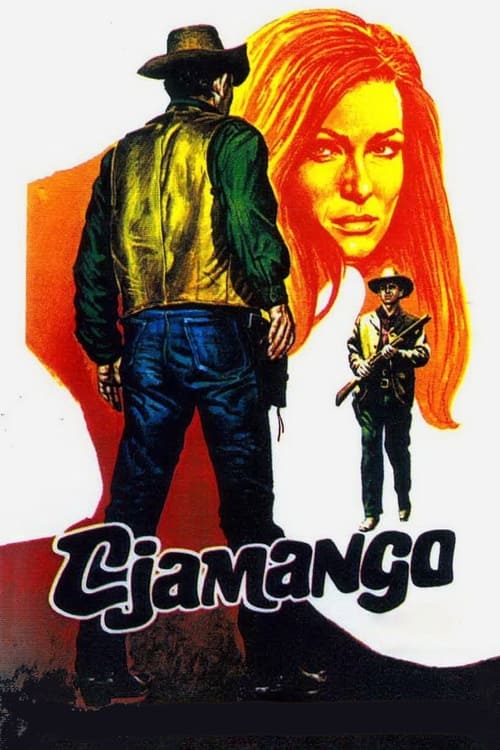
Cjamango
1967
No user ratings available yet
Diversity score: 3.2 out of 10

1953
ApprovedDirector
John Farrow
Runtime
90 minutes
Average Rating
No ratings yetSynopsis
Two Mexican outlaws, Rio and Esqueda, raised as stepbrothers, have a showdown over the issue of whether to evict new settlers from their Texas border territory.
Overall Score
Fair
Category Breakdown
LGBTQ+ Representation
The film lacks any depiction of non-cisnormative identities or same-sex intimacy. The narrative focus remains strictly on heteronormative frontier dynamics and traditional masculine bonding.
Gender Representation
Agency is concentrated almost exclusively within the male protagonists. Female characters are relegated to domestic or supportive capacities, reinforcing traditional mid-century gender roles.
Racial & Ethnic Diversity
The film disrupts 1950s tropes by centering the plot on Mexican vaqueros. The central conflict allows for a nuanced exploration of Mexican identity within the American Southwest.
Religious & Cultural Diversity
The story operates within a standard moral framework of honor and loyalty. It avoids religious dogma but does not actively critique Western institutions or capitalism.
Disability Representation
No significant depictions of visible or invisible disabilities are identified within the primary character arcs.
Strengths
Areas for Improvement
AI Analysis
Ride, Vaquero! stands out as a significant departure from the racial homogeneity typical of 1950s Westerns. By placing Mexican characters in positions of narrative authority and central conflict, the film challenges the era's standard cinematic expectations. However, the film remains tethered to traditional social hierarchies. While the ethnic depth is exceptional for its time, the narrative architecture lacks gender diversity and fails to provide agency to female characters. Ultimately, the film is a genre piece that disrupts Anglo-centric hegemony through its protagonists, even while adhering to the era's conventional moral and gendered frameworks.
No reviews yet. Be the first to share your thoughts on this movie!
Use the rating form above to leave a star rating and optional review.