Rhythm Wranglers
1937
No user ratings available yet
Representation score: 1.1 out of 10
Representation Score
Minimal
1935
PassedDirector
Howard Bretherton
Runtime
61 minutes
Average Rating
No ratings yetNew Showbiz Analysis
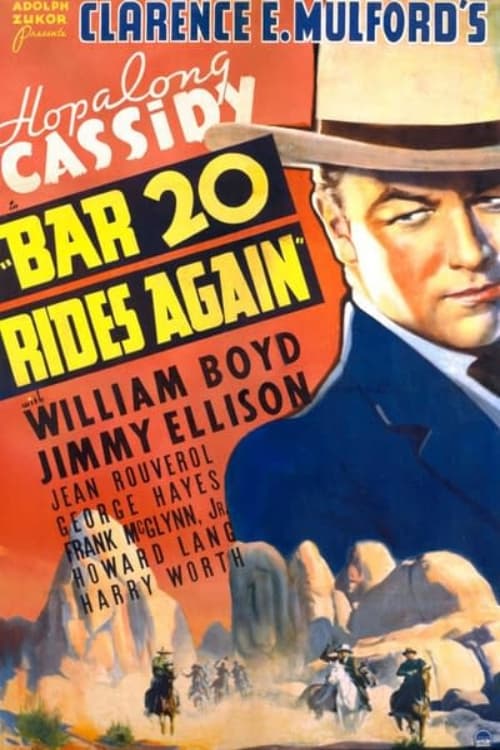
Bar 20 Rides Again is a quintessential B-Western musical that prioritizes genre conventions over social complexity. The film reinforces 1930s social hierarchies, focusing on the preservation of property and masculine authority. The narrative architecture centers on Anglo-Saxon perspectives and traditional heroism, lacking multi-layered depth and opting for standardized Western clichés that uphold the established status quo of the era. Ultimately, the film serves as a historical baseline for the 'Singing Cowboy' era, characterized by racial homogeneity and a lack of critique of traditional norms.
Category Breakdown
The film operates within a strictly straight-centered framework. There is no evidence of non-cisgender gender identities or same-sex intimacy.
Men drive the plot through physical prowess, while women primarily serve as passive observers or romantic interests.
The production features a predominantly white cast. There is a notable absence of characters of color who play a significant role in driving the story.
The narrative celebrates the stability of ranching and traditional Western values. It avoids moral complexity in favor of a singular, conventional morality.
There is no discernible representation of physical or neurodivergent disabilities. Characters are depicted through the lens of idealized physical capability.
Present on Screen
Limited or Absent
Official Synopsis
Cattle rustler Nevada dreams of living like an emperor in the West. Hoppy and the Bar 20 boys aim to put an end to his dream.
1937
1930
1937
1953

1936
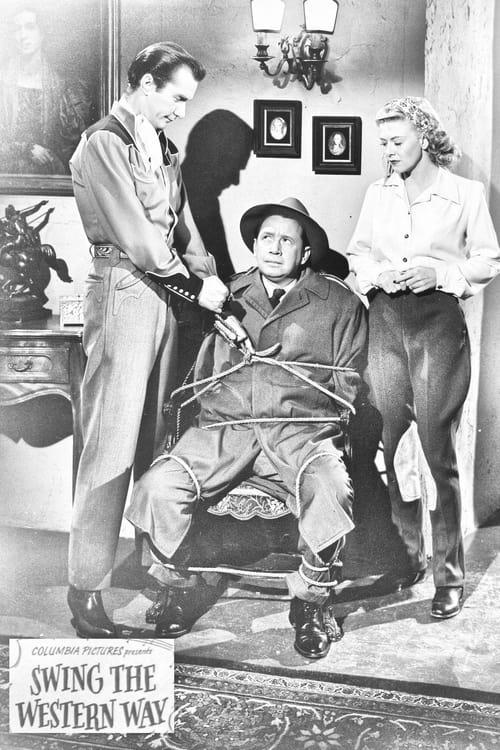
1947
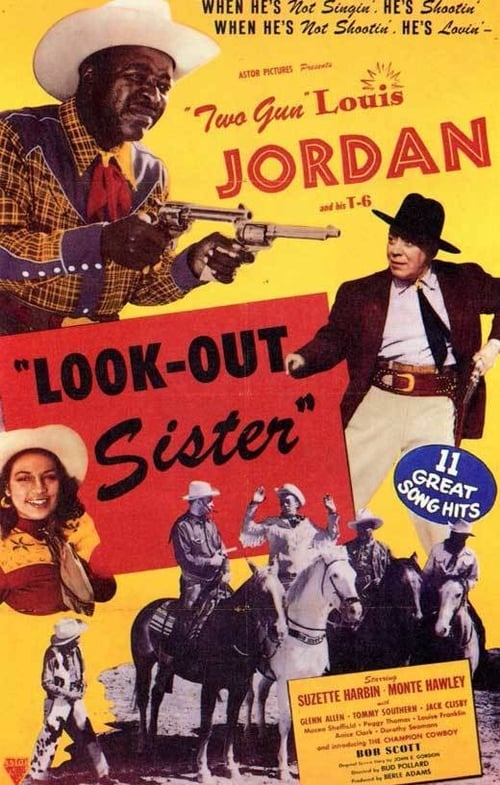
1947
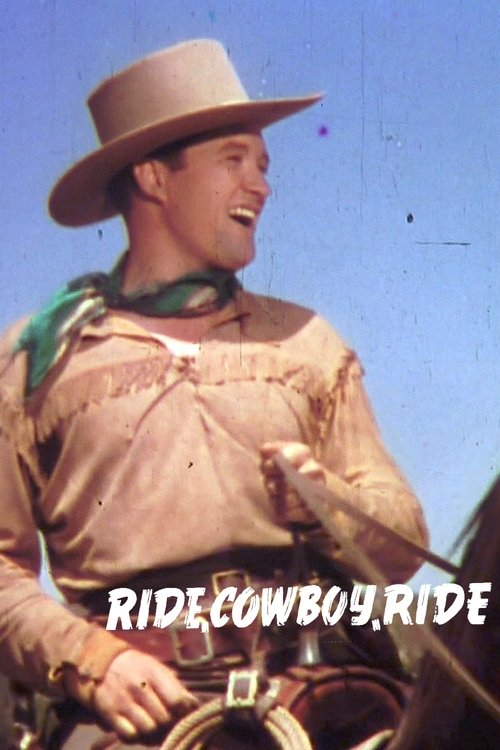
1939
No reviews yet. Be the first to share your thoughts on this movie!
Use the rating form above to leave a star rating and optional review.