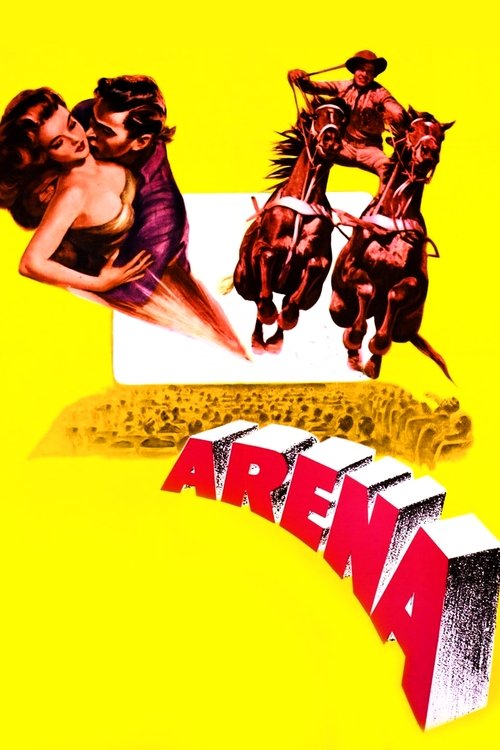
Arena
1953
No user ratings available yet
Representation score: 2.6 out of 10

Representation Score
Minimal
1961
NRDirector
Robert Aldrich
Runtime
112 minutes
Average Rating
No ratings yetNew Showbiz Analysis
The film operates as a traditional mid-century Western, emphasizing the tension between individual freedom and institutional authority. It upholds the social and racial norms of 1961 without challenging them. Narrative focus is heavily skewed toward male archetypes, with women acting primarily as plot catalysts. The setting provides a Mexican backdrop, yet the cast remains largely homogeneous. Ultimately, the work centers on the historical inevitability of moving from frontier lawlessness to organized order, offering little engagement with progressive representation or diverse identities.
Category Breakdown
The film follows strict conventions that assume everyone is straight or cisgender. There is no representation of non-binary or LGBTQ+ identities.
Male characters dominate the plot through competition and rugged individualism. Female characters serve mainly to complicate the central conflict between the outlaw and the lawman, rather than having independent roles.
The cast is predominantly white and Anglo-Saxon. Although the setting includes a Mexican ranch, the film lacks depth for non-white characters and fails to explore multiple aspects of identity.
The story explores moral relativism by humanizing outlaws. However, it portrays the rise of legal institutions as an inevitable progression of civilization.
There is no visible or invisible disability shown. Characters are defined by their physical vitality typical of the Western genre.
Present on Screen
Limited or Absent
Official Synopsis
At a Mexican ranch, fugitive O'Malley and pursuing Sheriff Stribling agree to help rancher Breckenridge drive his herd into Texas where Stribling could legally arrest O'Malley, but Breckenridge's wife complicates things.
1953
1958
1968
1956
1966
1957
1967

1959
No reviews yet. Be the first to share your thoughts on this movie!
Use the rating form above to leave a star rating and optional review.