Arena
1953
No user ratings available yet
Representation score: 2.6 out of 10
Representation Score
Minimal
1956
ApprovedDirector
Delmer Daves
Runtime
100 minutes
Average Rating
No ratings yetNew Showbiz Analysis
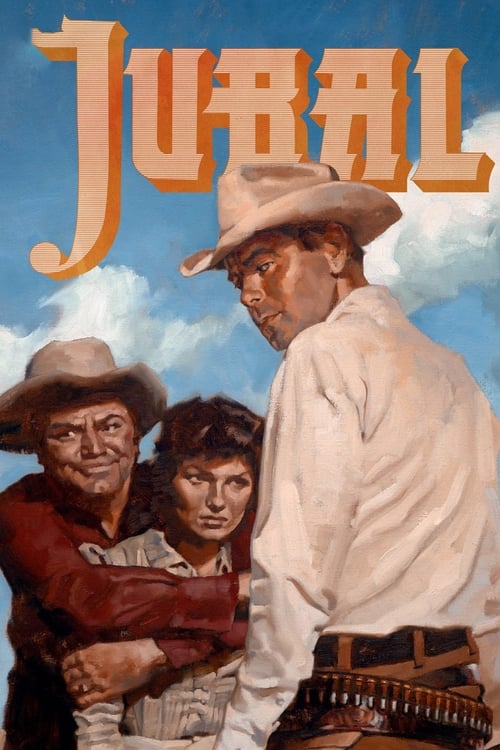
Jubal is a classic Western film that emphasizes psychological tension and traditional social hierarchies. It stays within the cultural norms of its time, focusing on the internal conflicts and actions of its male characters. While the film delves into the complexities of moral relativism and personal vengeance, it does not address broader systemic issues or diverse representation. Instead, it centers on the exploration of masculinity and morality.
Category Breakdown
The film does not include any non-traditional gender identities or same-sex relationships.
Women in the film mainly serve as mothers or homemakers, playing passive roles in the plot.
The casting reflects a 1950s Anglo-Saxon society, with a lack of diverse ethnic representation.
The film focuses on individual moral dilemmas and the tension between law and revenge, without critiquing broader societal issues.
The film portrays physical hardships typical of Western genres but does not focus on neurodivergent or disabled characters.
Present on Screen
Limited or Absent
Official Synopsis
Jubal Troop is a cowboy who is found in a weakened condition, without a horse. He is given shelter at Shep Horgan's large ranch, where he quickly makes an enemy in foreman Pinky, a cattleman who accuses Jubal of carrying the smell of sheep.
1953
1940
1958
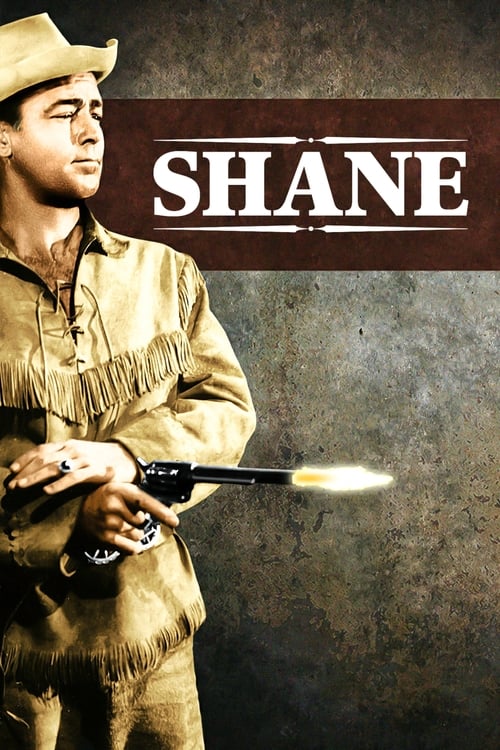
1953
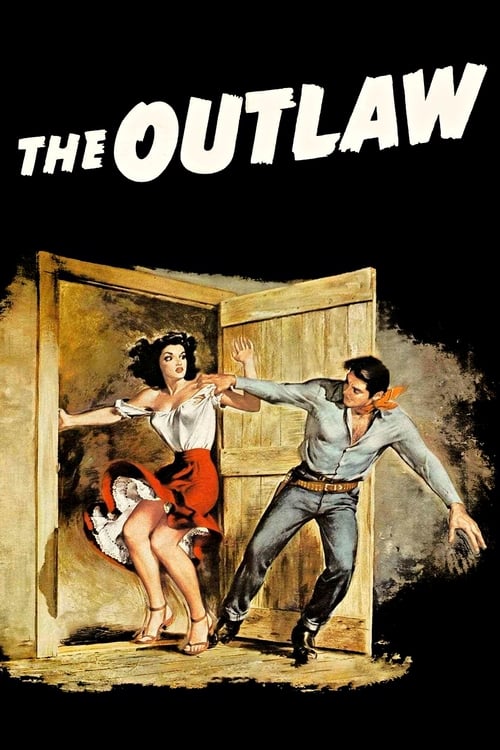
1943
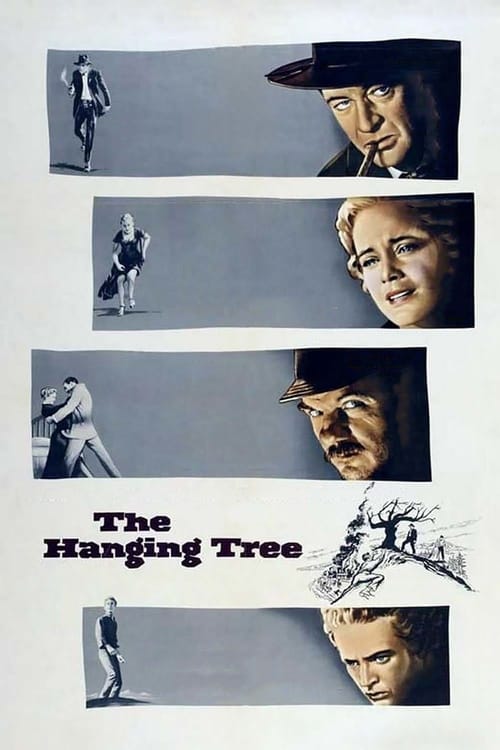
1959
1966
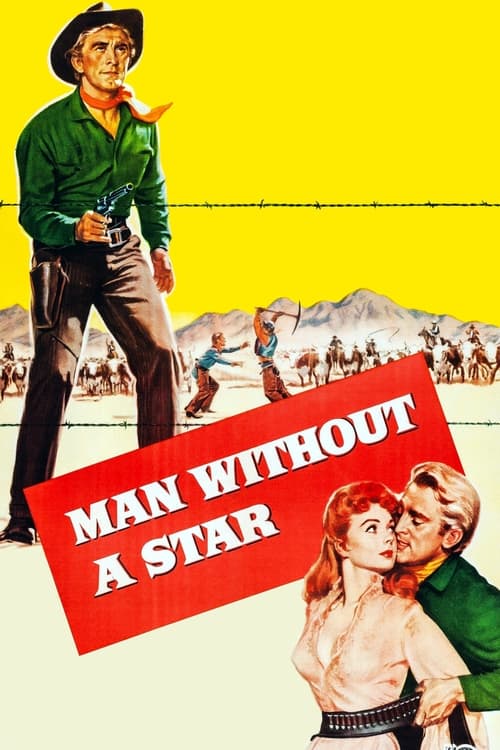
1955
No reviews yet. Be the first to share your thoughts on this movie!
Use the rating form above to leave a star rating and optional review.